


2026-11-04
Bottle-cap producers often compare 3105 aluminum sheet with other aluminum alloys when they need consistent drawing performance, an attractive surface, and dependable coating adhesion. Recent English-language Q&A discussions around aluminum closures frequently focus on material selection before trial production, especially for screw caps, ROPP caps, beverage closures, and cosmetic bottle caps.

Yes, 3105 aluminum sheet can be suitable for bottle-cap production when the cap design, temper, thickness, and surface treatment are matched correctly. Alloy 3105 is an aluminum-manganese alloy with moderate strength, good corrosion resistance, and workable formability. It is commonly considered for closures that require stamping, drawing, knurling, threading, embossing, or decorating.
For bottle caps, the material must tolerate deformation without cracking at the skirt, thread, or rolled edge. Softer tempers generally offer better drawing performance, while harder tempers can provide improved dent resistance after forming. The best option depends on cap diameter, skirt height, liner system, and production equipment.
A useful starting point is to request samples in the same thickness and temper intended for press trials. A coil that performs well in flat-sheet inspection may still behave differently during high-speed shell pressing and thread rolling.
| Bottle Cap Requirement | Why It Matters for 3105 Aluminum Sheet |
|---|---|
| Good drawing ability | Helps reduce cracking around deep skirts and curled edges. |
| Stable thickness | Supports uniform cap height and predictable press settings. |
| Clean surface | Improves lacquer adhesion, printing quality, and visual appearance. |
| Controlled temper | Balances formability with finished-cap stiffness. |
| Food-contact coating compatibility | Supports internal lacquer application and product protection. |
This is one of the most repeated questions because temper has a direct effect on cap forming. For many closure applications, softer or medium-soft tempers are preferred because the material must be pressed into a shell and then shaped into a skirt and thread profile. A temper that is too hard may increase the risk of edge splitting, uneven curl formation, or tooling marks.
However, there is no single temper that fits every closure. A short, shallow cap can tolerate a firmer material than a tall ROPP cap with a long threaded skirt. Caps with deep embossing, aggressive knurling, or complex decorative features usually need more forming reserve.
When discussing temper with a mill or converter, provide practical details rather than asking only for "soft material." Share the cap drawing, shell diameter, finished skirt height, tooling type, line speed, and whether the closure will be printed or lacquered. These details allow the material specification to be narrowed down more accurately.
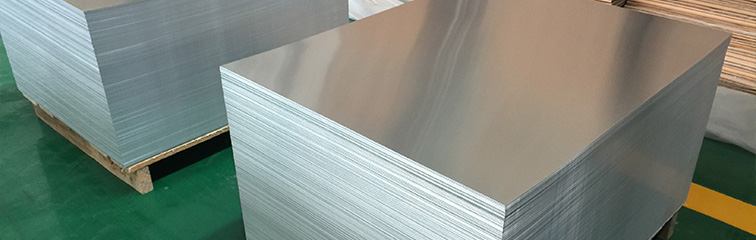
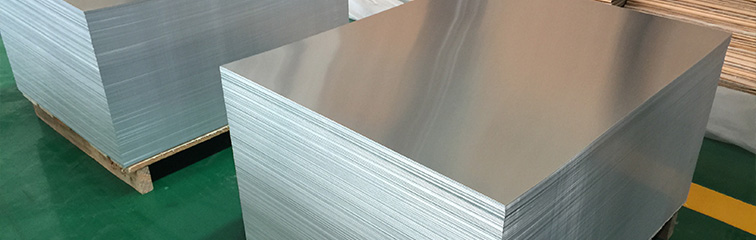
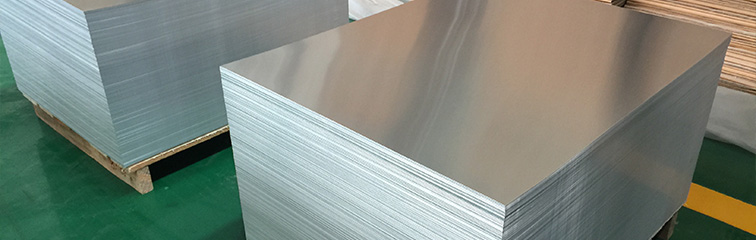
For projects requiring a bright, untreated surface before coating, Plain Aluminum can be evaluated alongside coated closure stock to determine which processing route fits the production sequence.
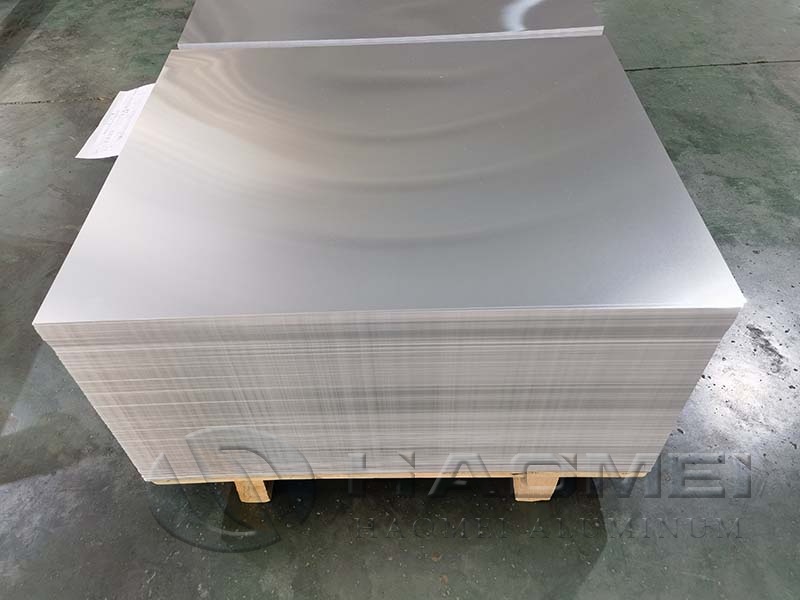
Thickness selection depends on cap size, intended use, closure geometry, and the level of stiffness needed after forming. Aluminum bottle-cap stock is often supplied in thin gauges, but selecting the thinnest possible sheet is not always economical. If the sheet is too thin, the finished cap may dent easily, lose thread definition, or deform during capping and transport.
A thicker gauge can improve rigidity, yet it may require higher forming force and can increase material consumption. It can also affect the fit between the cap, liner, and bottle finish. The ideal thickness is therefore a process decision, not only a purchasing decision.
Ask for thickness tolerance data across the coil width and length. Consistent gauge helps maintain stable press settings and reduces variation between cap batches. Flatness and edge condition also matter because poor coil shape may cause feeding issues in high-speed presses.
| Production Factor | Effect of Thickness Choice |
|---|---|
| Cap diameter | Larger diameters generally need sufficient stiffness to resist dents. |
| Skirt height | Taller skirts require reliable drawing behavior. |
| Thread detail | Stable gauge supports consistent thread formation. |
| Capping torque | Material stiffness can influence closure deformation during application. |
| Decoration process | Coating and printing systems may have preferred substrate ranges. |
Yes. 3105 aluminum sheet can be processed with exterior base coats, color coatings, varnishes, logos, and internal protective lacquers when the surface preparation and coating system are compatible. Decorative performance depends on surface cleanliness, pretreatment, coating weight, curing conditions, and the forming severity of the cap.
For printed closures, flexibility is especially important. A coating that looks smooth before stamping may craze or whiten at the cap edge after deep forming. Test the full sequence: coating, curing, shell pressing, drawing, knurling, threading, and liner insertion. This approach identifies whether the paint system remains intact at the areas under the highest strain.
For beverage, food, pharmaceutical, and cosmetic packaging, internal lacquer selection should also be evaluated against the product formulation. Acidic drinks, alcoholic products, oils, fragrances, and active ingredients can require different protective systems.
Plain Aluminum sheet is often selected when the converter plans to apply a custom coating or printing process after receiving the metal substrate.
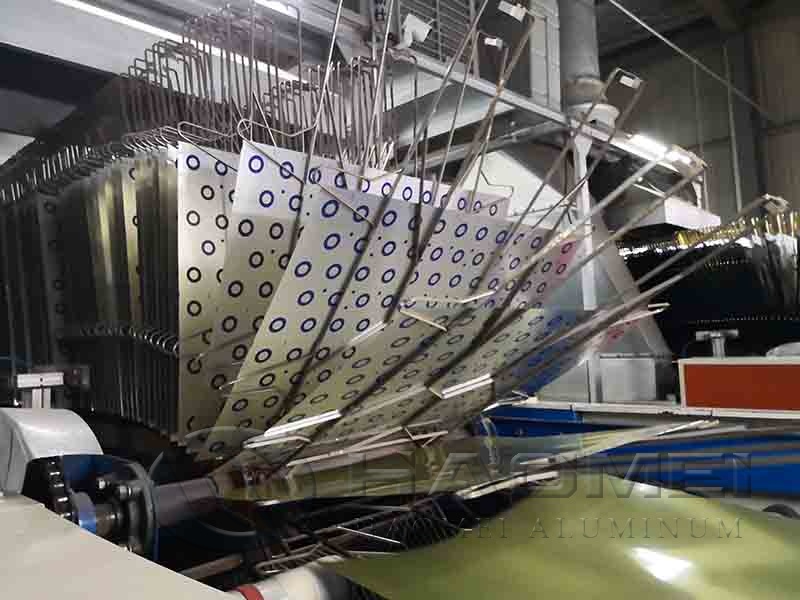
Cracking and surface defects usually result from a combination of material condition and process setup. Common causes include excessive temper hardness, inadequate lubrication, sharp tooling radii, unstable blanking, poor coil flatness, or a coating system that cannot stretch with the metal.
Start by checking the crack location. Splits at the cap rim may indicate an issue with curl tooling or edge quality. Cracks in the skirt can point to excessive drawing strain or insufficient material ductility. Random scuffing may be caused by dirty dies, improper lubrication, or coil surface contamination.
A practical trial plan should inspect blank edges, shell depth, skirt wall appearance, thread definition, coating integrity, and cap torque performance. Keeping production samples from each adjustment makes it easier to separate alloy-related behavior from tooling-related behavior. For consistent results, specify alloy, temper, thickness tolerance, surface finish, coil width, coating requirement, and end-use application before material is produced.
Tags: 3105 aluminum sheet | aluminum bottle cap material | closure sheet | bottle cap making |
Original Source: http://alclosuresheet.com/a/3105-aluminum-sheet.html

+86-15978414719


+86-15978414719


sale@alumhm.com