


2026-10-14
Aluminum closure material is not selected by alloy name alone. A bottle cap must form cleanly, accept printing or coating, protect the product, and maintain reliable opening performance. In recent English-language sourcing discussions, many questions focus on alloy choice, thickness tolerance, temper, food-contact coatings, and defects after stamping.
The five questions below reflect common current concerns from companies preparing aluminum bottle cap production or evaluating aluminum sheet and coil suppliers.
For many roll-on pilfer-proof caps, 8011 aluminum is a widely used option because it combines workable strength, stable stamping behavior, and good surface quality. It is commonly supplied in H14 or similar tempers for closures that need to be drawn, knurled, threaded, and skirted.
3105 aluminum can be attractive when a producer needs slightly higher strength and strong coating performance. It is often considered for caps where decoration, coating adhesion, and shape retention matter as much as deep forming. However, its forming response is not identical to 8011, so a trial on the actual press tooling is still important.
5052 aluminum has higher magnesium content and greater strength, but it is not automatically the best choice for every closure. Its stronger temper response can increase forming load and may not suit thin, highly shaped caps unless tooling and lubrication are adjusted.
| Alloy | Typical Closure Advantage | Production Point to Check |
|---|---|---|
| 8011 | Balanced formability and strength for many ROPP caps | Surface cleanliness and temper consistency |
| 3105 | Good strength and coating compatibility | Forming results on threaded or deeply shaped caps |
| 5052 | Higher strength and corrosion resistance | Higher forming force and risk of reduced drawability |
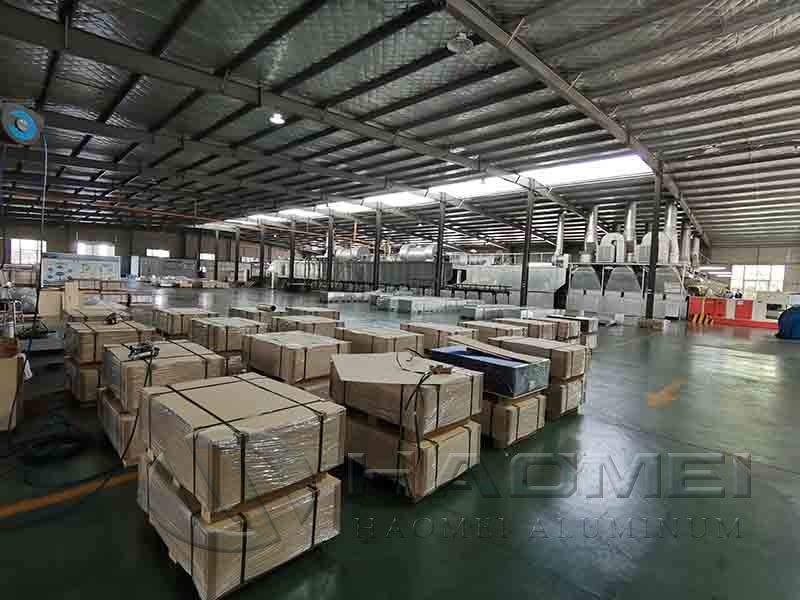
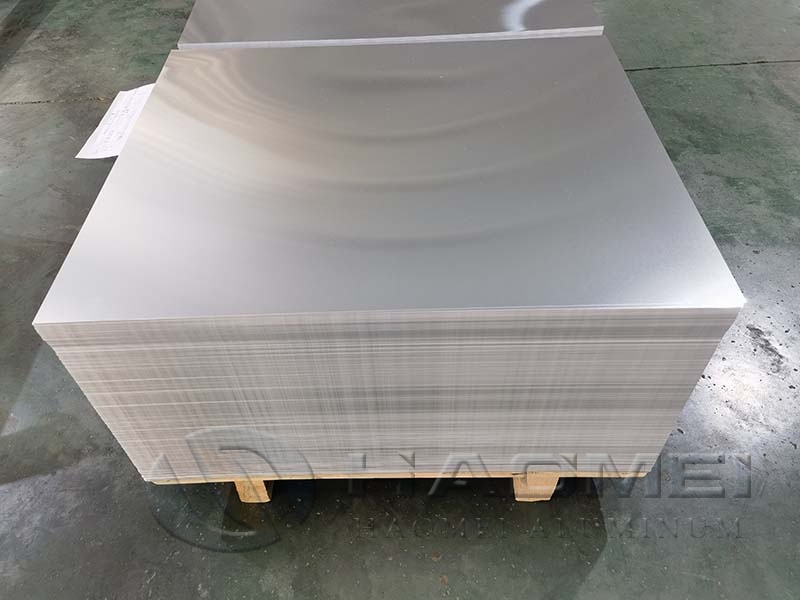
For standard cap conversion, Plain Aluminum coil with controlled chemistry and temper often provides a practical starting point before applying paint, printing, or protective lacquer.
There is no single thickness for every aluminum cap. Many beverage, wine, spirits, and pharmaceutical closures are produced from material around 0.20 mm to 0.23 mm, but the correct range depends on cap diameter, height, thread profile, embossing, liner design, and opening torque target.
Thinner sheet can reduce metal consumption, but it may create issues such as wrinkling, uneven knurling, or weaker bridges in tamper-evident designs. Thicker sheet can improve stiffness, yet it requires greater press force and may raise conversion cost. The nominal thickness is only part of the requirement. Tight thickness tolerance across the coil is equally important because variation can change draw depth and thread definition from one production run to another.
When requesting quotations, specify nominal thickness, permitted tolerance, width tolerance, coil inner diameter, coil weight, and surface condition. It is also useful to state whether the material will be supplied plain, painted, or printed.
Temper determines how hard or soft the aluminum closure material behaves during forming. Material that is too soft can stretch excessively, lose dimensional control, or show inconsistent thread geometry. Material that is too hard may crack near the skirt, shoulder, or tamper band when the cap is drawn and rolled.
H14 is frequently used because it offers a middle range between strength and workability. Still, the suitable temper depends on the cap design and line setup. A shallow cap with limited shaping can tolerate a firmer material than a tall cap with detailed threading and a narrow tamper-evident band.
A purchasing specification should not stop at "H14". Ask for mechanical-property control, including tensile strength and elongation. This helps prevent coils with the same temper label from behaving differently on press equipment. For repeat production, a consistent Plain Aluminum substrate is especially valuable because coating and printing processes cannot correct unstable forming performance.
In most beverage and food packaging applications, the inside of the cap needs an appropriate protective system. The internal lacquer helps separate the aluminum from the packed product, vapor, acidic ingredients, alcohol, or other contents that may affect metal appearance or product quality. The exterior coating serves different purposes, including color, print reception, scratch resistance, and corrosion protection during transport.
Whether both sides need coating depends on the closure construction. Some caps use interior lacquer plus exterior basecoat and printing. Others use a pre-painted sheet with a specialized internal varnish. The cap liner also matters because it may provide the primary sealing barrier while the lacquer protects exposed aluminum areas.
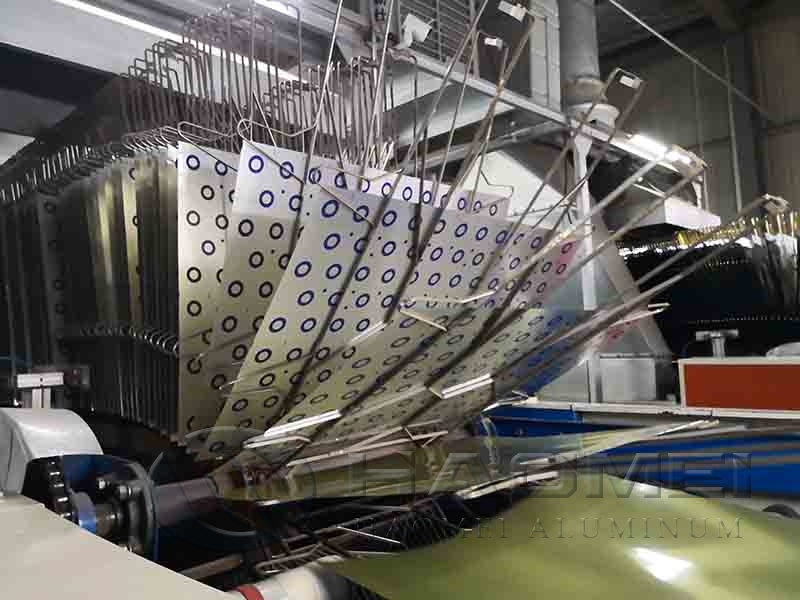
Ask the painted aluminum sheet supplier for coating weight, curing condition, adhesion data, and intended contact use. Regulatory suitability should be assessed for the destination market and the actual packed product, rather than assumed from the alloy alone. A coating suitable for dry goods may not be appropriate for acidic beverages or high-alcohol spirits.
These defects can come from material, tooling, lubrication, or handling. Scratches often originate from dirty rollers, coil-to-coil contact, poor protective packaging, or abrasive particles trapped during feeding. A high-quality closure sheet should have a controlled surface free from oil stains, dents, roll marks, and excessive edge damage.
Earing, the uneven wave-like rim that appears after drawing, is often related to the aluminum grain structure and directional properties. Some earing is manageable through trimming, but excessive variation can increase scrap and make cap height inconsistent. Edge cracks may result from an overly hard temper, poor slit-edge quality, insufficient lubrication, or a forming sequence that stretches the metal too aggressively.
| Production Symptom | Possible Material Cause | Useful Check |
|---|---|---|
| Scratches after stamping | Surface damage or contamination | Inspect coil wrapping, roller cleanliness, and surface protection |
| Uneven cap rim or earing | Directional grain behavior | Compare samples from coil head, middle, and tail |
| Skirt or bridge cracking | Low elongation, hard temper, poor slit edge | Review tensile data, burr level, and forming lubrication |
| Weak printed appearance | Inconsistent coating or surface energy | Check coating adhesion and print test results |
Before full-scale ordering, run a production trial using the intended cap diameter, tooling, liner, lacquer, and decoration process. The most useful evaluation is not only whether the sheet stamps once successfully, but whether it maintains stable cap dimensions and surface appearance through an entire coil.
Tags: Aluminum closure material | aluminum bottle cap sheet | bottle cap making | 8011 aluminum | 3105 aluminum |
Original Source: http://alclosuresheet.com/a/aluminum-closure-material.html

+86-15978414719


+86-15978414719


sale@alumhm.com