

2026-06-24
Recent English Q&A discussions around aluminum bottle cap material often focus on one practical topic: whether plain aluminium sheet or coil can run smoothly in cap making lines. Let's find answers for them together.
| Hot question | Short answer for cap projects |
|---|---|
| Is plain aluminium good for bottle caps? | Yes, if alloy, temper, surface cleanliness, and coating plan match the cap design. |
| Which alloy and temper are used for aluminum caps? | 8011 and 3105 are common; temper depends on drawing depth and knurling demand. |
| Does plain aluminium need lacquer before cap making? | Usually yes for food, beverage, wine, spirits, and pharma closures. |
| Why do aluminum caps crack or wrinkle? | Wrong temper, poor lubrication, burrs, coating bake effects, or unsuitable forming settings. |
| What should be written in an RFQ for cap stock? | Alloy, temper, thickness, width, surface, coating status, test values, packing, and compliance. |
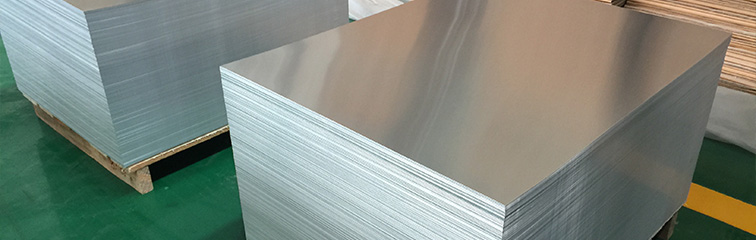
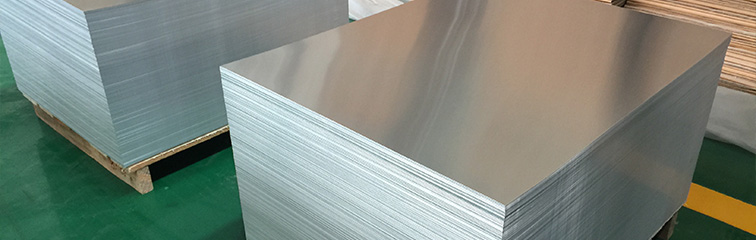
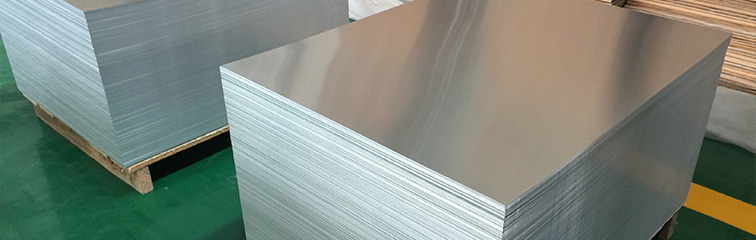
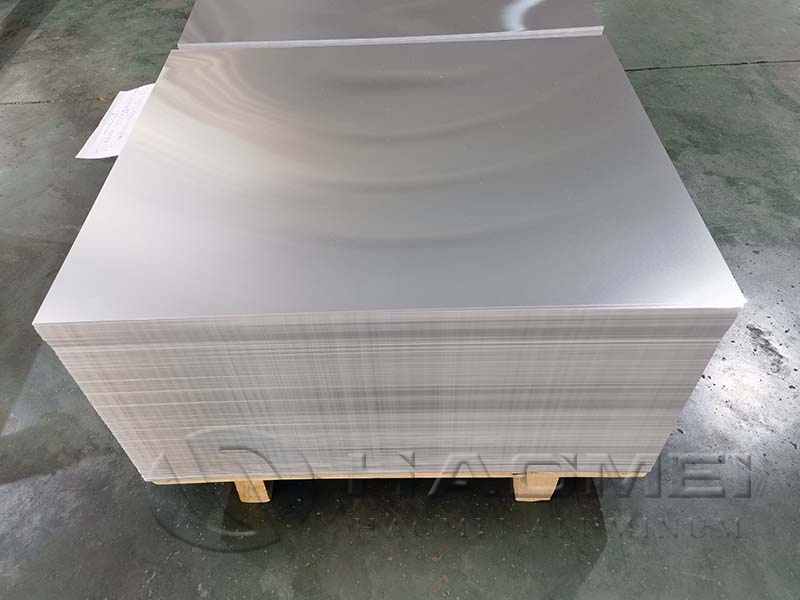
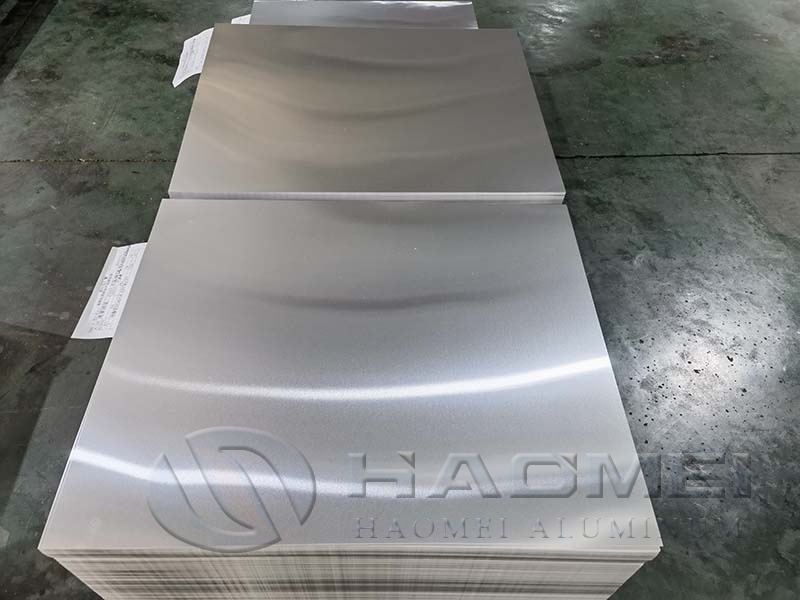
Plain aluminium can be suitable for bottle caps, but it should be understood as base metal, not as a finished closure surface in every case. In cap manufacturing, plain aluminium usually means mill-finish aluminum sheet or coil without color coating, printing, embossing, or decorative lacquer. For teams comparing mill-finish options, Plain Aluminum is often selected when they want flexibility in later coating, printing, slitting, or stamping.
For wine closures, ROPP caps, pilfer-proof caps, and many pharmaceutical caps, the metal may start as plain coil, then receive food-safe or product-resistant lacquer. The inner side must be compatible with the liquid, vapor, liner, and sterilization process. Spirits, acidic drinks, essential oils, and medicinal products may attack bare aluminum if the inner coating is not suitable.
Plain outside surfaces are also popular when a natural metallic appearance is wanted. However, the surface must be free from heavy oil marks, scratches, oxidation stains, rolling defects, and black spots. A good plain surface helps printing adhesion and reduces visible defects after deep drawing or sidewall expansion.
The best alloy depends on the closure type. Many aluminum bottle caps use 8011 because it offers a practical balance of formability, strength, and sealing performance. 3105 is also used for some closure applications that need better strength or decorative performance. Some cap designs may use 3004 or other alloy families, but they should be tested on the actual tooling.
| Cap type | Common alloy choices | Typical temper direction | Why it matters |
|---|---|---|---|
| ROPP wine and spirits caps | 8011, 3105 | H14, H16, H18 depending on design | Needs clean threading, bridge strength, and sidewall control. |
| Pharmaceutical vial caps | 8011 | H14 or softer options by drawing depth | Needs controlled opening force and stable crimping. |
| Short beverage closures | 8011, 3105 | Medium-hard temper | Needs dent resistance and good sealing pressure. |
| Deep-drawn decorative caps | 8011 or tested alternative | Softer temper may be required | Reduces cracking and orange peel during forming. |
Temper is not just a number on a certificate. A cap line may accept one H14 coil but reject another if tensile strength, elongation, earing behavior, or surface roughness varies too much. New projects should test coils under actual stamping speed, lubrication, tooling clearance, and coating bake conditions.
Thickness is chosen according to cap diameter, height, thread profile, bridge design, liner type, and opening force target. If the sheet is too thin, the cap may deform during capping or lose sealing pressure. If it is too thick, the cap may crack during drawing, consume more force, and increase material cost.
| Application area | Common thickness range | Practical note |
|---|---|---|
| 28 mm wine or beverage ROPP caps | 0.18 mm to 0.23 mm | Balance between threading, pilfer band strength, and easy opening. |
| Taller liquor closures | 0.21 mm to 0.25 mm | Height and decoration may require stronger sidewall stability. |
| Pharma flip-off or vial caps | 0.18 mm to 0.22 mm | Crimping and tearing behavior should be verified carefully. |
| Specialty caps with embossing | 0.20 mm to 0.26 mm | Embossing depth and visual flatness can require extra stiffness. |
Besides nominal thickness, check tolerance and across-width consistency. A small thickness drift can change blanking force, thread depth, bridge break force, and cap height after drawing. For coil supply, width tolerance, coil inner diameter, outer diameter, edge quality, and splice policy should also be agreed before production.
Most cap lines need lubrication during blanking, drawing, knurling, or threading. The exact lubricant depends on the tooling, speed, coating system, and cleaning method. Too little lubrication causes galling, scratching, heat, and cracking. Too much oil can affect coating adhesion, printing quality, liner bonding, or later sterilization.
If the plain aluminium will be lacquered after slitting, surface cleanliness is critical. Rolling oil residues should be controlled, and the surface should accept pretreatment or coating evenly. If the sheet is supplied as pre-lacquered closure sheet, the coating must survive forming without peeling, whitening, or cracking.
Common surface-related checks include dyne level, oil residue, roughness, pinholes after coating, color difference after baking, and adhesion after forming. For food and beverage closures, the inner coating should be selected according to the product formula, pasteurization or sterilization conditions, and shelf-life testing plan.
Cracking usually means the metal cannot stretch enough in the area being formed. Causes include temper that is too hard, low elongation, sharp tooling radius, excessive drawing depth, poor lubrication, rough die surface, or burrs from blanking. Coating bake cycles can also change mechanical behavior, especially if the process was designed around unbaked test material.
Wrinkling often comes from uncontrolled metal flow. It may appear when blank holder pressure is too low, tooling clearance is unsuitable, or the sheet is too soft for the cap geometry. Earing is linked to rolling texture and anisotropy. In visible decorative caps, high ears increase trimming waste and can cause uneven cap height.
A reliable troubleshooting process compares certificate values with real forming results. Tensile strength, yield strength, elongation, thickness profile, surface roughness, and earing rate should be checked together. Tool wear and lubricant condition should not be ignored, because a good coil can still fail on a line with damaged punches or unstable oil application.
A clear RFQ helps the mill or distributor recommend a workable coil instead of only quoting a generic sheet. A reliable RFQ for Plain Aluminum cap stock should include alloy, temper, thickness, width, coil ID, maximum coil OD, surface requirement, burr direction, packing method, and whether the material will be lacquered, printed, or used as bare exterior metal.
Also include the cap diameter, cap height, drawing steps, expected production speed, coating or baking temperature, liner type, and product to be packed. If the cap is for food, beverage, wine, spirits, or pharmaceutical packaging, ask for applicable compliance documents and migration-related support from the coating supplier.
Before mass production, order trial coils from the same production route intended for repeat supply. Test blanking, drawing, knurling, threading, bridge breaking, capping torque, opening torque, leakage, drop resistance, and storage performance. Plain aluminium can look simple, but cap making rewards stable chemistry, stable temper, clean surface, and communication between the metal supplier, coater, tooling team, and closure plant.
Tags: plain aluminium | aluminum bottle cap material | aluminum closure sheet | bottle cap coil | aluminum cap making |
Original Source: http://alclosuresheet.com/a/plain-aluminium.html

+86-15978414719


+86-15978414719


sale@alumhm.com