


2026-08-20
Aluminum ROPP cap material is rolled sheet or coil used to manufacture roll-on pilfer-proof closures for wine, spirits, edible oil, pharmaceutical, and beverage packaging. During cap production, the metal is blanked, drawn, skirted, decorated, fitted with a liner, and threaded onto the bottle during capping.
Priority feature: stable drawability. A low-cost coil that cracks, wrinkles, or produces inconsistent skirt geometry can create substantially higher cap-making losses than a higher-priced coil with controlled mechanical properties. For this reason, purchasing teams should approve material based on forming performance, not nominal thickness alone.
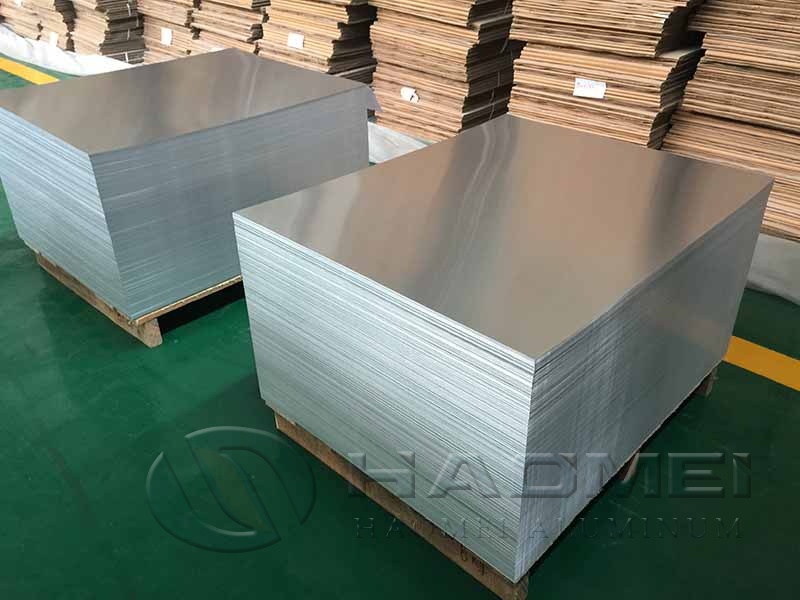
ROPP closures commonly use 8011 aluminum alloy, with 3105 also used for selected closure designs. Alloy selection, temper, gauge, surface condition, and coil flatness must match the cap maker's tooling and draw depth.
A typical wine closure may use approximately 0.20 mm to 0.23 mm sheet, while some larger or more rigid spirit closures use thicker stock. These are market practices rather than universal specifications. Cap diameter, skirt length, embossing, threading, liner system, and forming sequence determine the final requirement.
| Control Item | What to Specify | Why It Matters |
|---|---|---|
| Alloy | 8011 or approved alternative, with chemistry certificate | Chemistry affects strength, elongation, and forming consistency. |
| Temper | Commonly H14 or H16, subject to cap-tool validation | Excess hardness can cause cracks; excess softness can affect panel stability. |
| Thickness | Nominal gauge and agreed tolerance | Gauge variation changes cap height, draw behavior, and material yield. |
| Width and edge | Slit width, burr limit, edge quality | Poor edges can create feeding problems and blanking defects. |
| Surface | Mill finish, pretreated, painted, or printed | Surface quality affects coating adhesion and decoration appearance. |
| Coil geometry | Inside diameter, outside diameter, coil weight, telescoping limit | Geometry must suit the press, feeder, and handling equipment. |
Do not rely only on a mill certificate. Request a production trial using the actual cap geometry, including blanking, deep drawing, threading, and torque application. Review scrap rate, earing, skirt cracking, coating damage, and final closure torque retention.
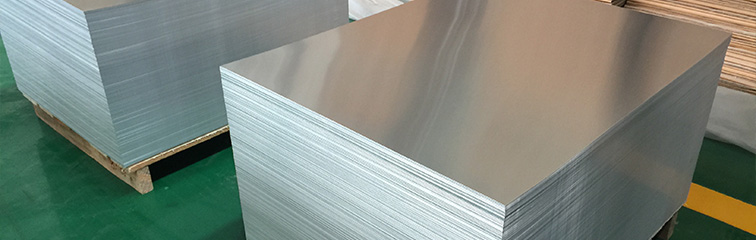
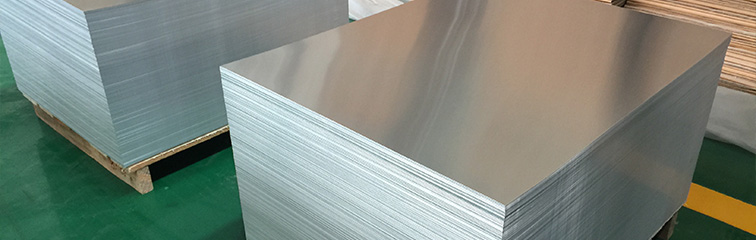
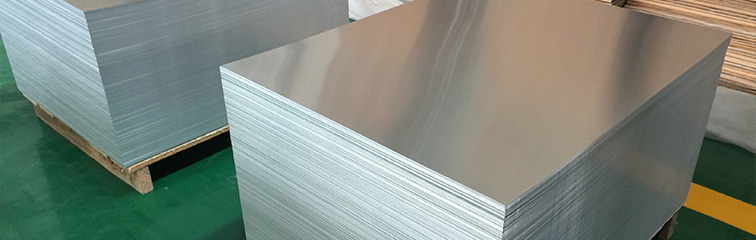
For uncoated starting stock, Plain Aluminum should be checked for rolling marks, oil staining, dents, edge wave, and coil-set issues before it enters a coating or printing line.
Confirm tensile strength and elongation test methods and sampling frequency.
Compare actual coil results against the approved trial coil, not a broad generic range.
Define allowable earing and cup-wall variation through a cap-making trial.
Inspect both coil heads and the middle of the coil for gauge and surface consistency.
Retain reference samples for appearance and drawability dispute resolution.
Require traceability from finished coil to cast, rolling campaign, coating batch, and shipment documents.
ROPP stock is supplied as plain, color-coated, varnished, or printed sheet and coil. The coating system may include pretreatment, base coat, color coat, overprint varnish, and internal lacquer. External decoration must resist abrasion during filling, capping, handling, and transport. Internal coatings must be assessed for the intended product-contact conditions.
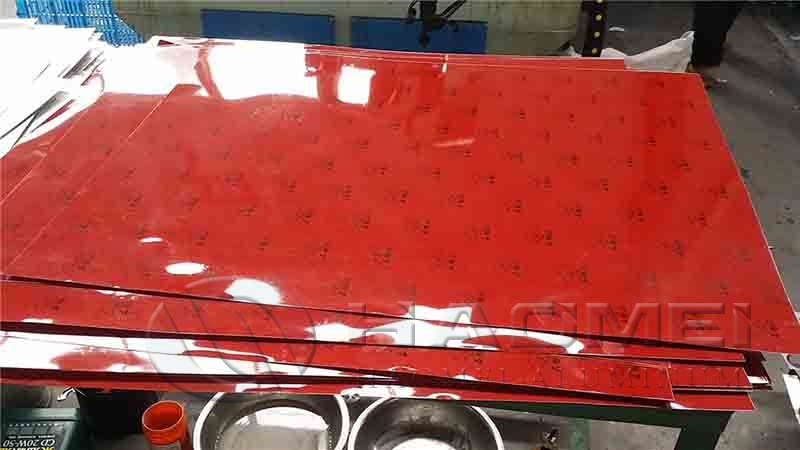
| Material Format | Suitable Use | Main Risk to Control |
|---|---|---|
| Plain mill-finish sheet | In-house coating or specialized conversion | Surface contamination and inconsistent pretreatment response |
| Pre-painted coil | Standard color closures and shorter decoration lead times | Color variation between production campaigns |
| Printed sheet or coil | Brand-heavy wine, spirits, and promotional closures | Registration error, ink adhesion, scuffing, and color mismatch |
| Lacquered internal surface | Products requiring corrosion protection | Product compatibility and coating integrity after forming |
For food and beverage closures sold into the United States, coatings used in food-contact applications may need to comply with applicable U.S. Food and Drug Administration requirements, including 21 CFR 175.300 for certain resinous and polymeric coatings. In the European Union, food-contact materials are governed by Regulation (EC) No 1935/2004, while Regulation (EC) No 2023/2006 establishes good manufacturing practice requirements.
These regulations do not make every coating automatically suitable for every filling product. Acidic beverages, high-alcohol spirits, edible oils, and products with long shelf life can require different corrosion and migration assessments. Obtain a declaration of compliance for the finished coated or printed closure material, plus information on intended use, contact temperature, storage time, and product type.
For decoration approval, use a controlled master standard. Confirm color under an agreed illuminant, typically D65 where relevant, and define acceptable delta E measurement conditions, gloss range, print registration tolerance, and rub-resistance test method. Visual approval without measurable criteria often causes avoidable disputes.
Closure-sheet pricing is usually built from four elements: aluminum metal value, regional premium, rolling conversion, and value-added coating or printing. Freight, duties, packing, insurance, and payment terms can materially change the delivered cost.
| Cost Driver | Typical Effect on Delivered Cost | Purchasing Control |
|---|---|---|
| LME aluminum price | High and volatile | Set a transparent indexation formula and price-fixing window. |
| Regional premium | Can change with regional supply and logistics | Identify the premium basis and location in the contract. |
| Rolling conversion | Depends on gauge, width, quality controls, and order pattern | Compare conversion separately from metal value. |
| Coating and printing | Higher for multi-color, specialty varnish, and tight color control | Approve artwork, color standard, and yield assumptions early. |
| Freight and packaging | Significant for cross-border shipments | Specify seaworthy packing, pallet pattern, and moisture protection. |
The International Aluminium Institute reported global primary aluminum production of about 72.3 million tonnes in 2024. Primary aluminum availability therefore differs from closure-sheet availability: ROPP stock requires suitable alloy, rolling capacity, surface quality, coating capability, and qualified logistics.
Market cycles can tighten conversion capacity even when aluminum metal is available. Watch rolling mill maintenance schedules, regional energy costs, trade measures, port congestion, and changes in beverage or spirits demand. Aluminum's recyclability can support lower-carbon sourcing strategies, but recycled-content claims should be supported by a documented calculation method and defined system boundary.
Match alloy, temper, thickness, width, and coil geometry against the purchase specification.
Review mill test certificate values against approved mechanical-property limits.
Verify coating batch, color standard, print artwork revision, and internal-lacquer identification.
Inspect packaging for water ingress, crushed coil edges, telescoping, and pallet damage.
Confirm food-contact declarations and test evidence for the destination market and filling product.
Keep retained samples and traceability records until the packaged product has passed its agreed shelf-life review.
Tags: Aluminum closure sheet | ROPP cap stock |
Original Source: http://alclosuresheet.com/a/aluminum-ropp-cap-material.html

+86-15978414719


+86-15978414719


sale@alumhm.com