


2026-07-09
In beverage and spirits packaging, PP usually means pilfer-proof, not polypropylene. A PP cap is formed, knurled, threaded, and broken at bridges during opening. The main production risk is not only thickness deviation. The top concern is consistent drawability with coating adhesion, because one weak coil can create cracked skirts, flaked lacquer, poor bridge breakage, and line stoppage.
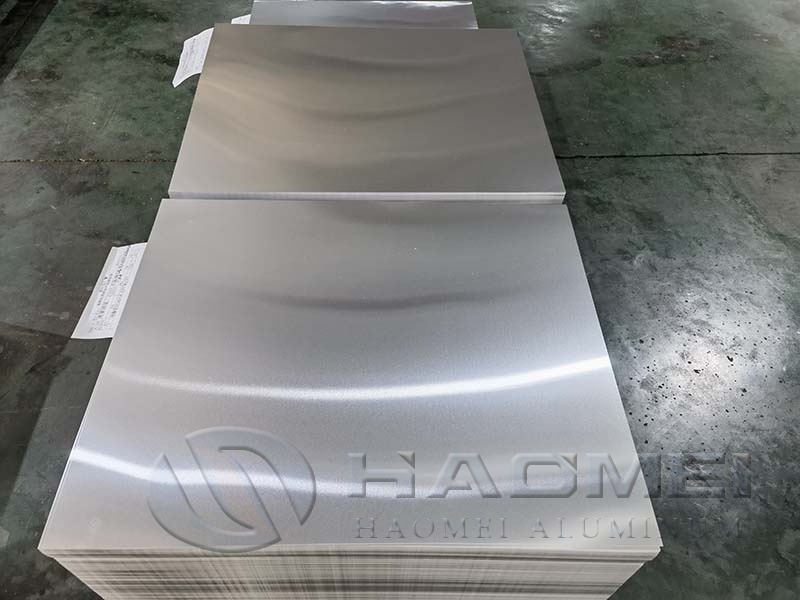
Do not start with alloy alone. Start with cap diameter, cap height, draw depth, decoration route, sterilization or pasteurization exposure, and liner type. Then lock alloy, temper, gauge, surface, and coating system.
| Item to define | Practical range or option | Why it matters |
|---|---|---|
| Alloy | AA 8011, 3105, 3003, or local equivalent | Balances formability, strength, corrosion resistance, and cost |
| Temper | H14, H16, H18, or annealed plus hardened route | Controls earing, springback, bridge strength, and threading behavior |
| Thickness | Often 0.18-0.24 mm for many PP closures | Must match cap diameter, height, knurl design, and capping torque |
| Width | Coil width or sheet size matched to press layout | Reduces edge trim and slitting loss |
| Surface | Mill finish, degreased, chromate-free pretreated, coated | Affects printing, lacquer adhesion, and food-contact safety |
| Delivery | Plain, painted, printed, or lubricated coil/sheet | Determines whether decorating is done before or after forming |
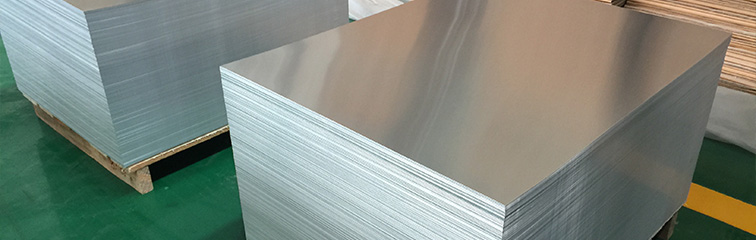
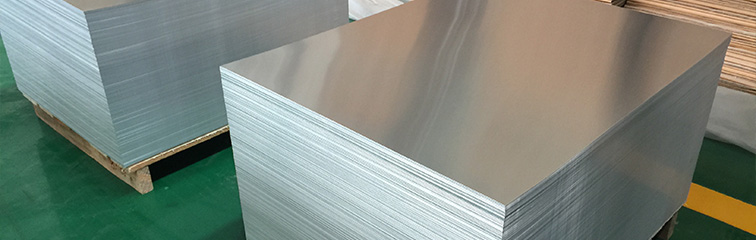
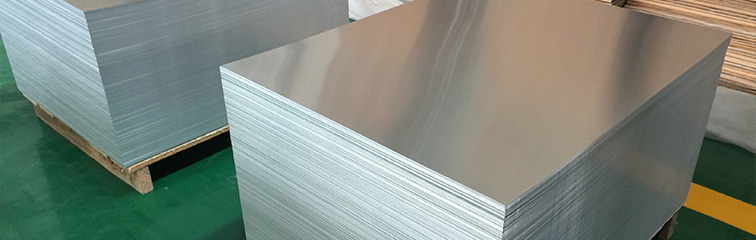
When decoration is performed after slitting or by an outside printer, starting with Plain Aluminum coil can reduce coating inventory complexity, but it shifts pretreatment and lacquer control to the converter.
| Supply form | Best use | Main risk to control | Inspection focus |
|---|---|---|---|
| Plain aluminum sheet or coil | In-house coating and printing | Oil residue, surface scratches, tension marks | Surface cleanliness, flatness, roughness, pinholes |
| Painted closure sheet | Standard colors, high repeat demand | Color difference, lacquer cure, blocking | Color delta, MEK rub, adhesion, bake record |
| Printed aluminum sheet | Brand caps, seasonal packaging | Registration error, ink scuffing, migration risk | Print position, gloss, abrasion, food-contact documents |
For PP caps with outside printing, ask whether the supplier coats both sides. Outer coating handles decoration and scuff resistance. Inner lacquer must protect product contact areas and should be compatible with the liner, alcohol strength, carbonation, and filling temperature.
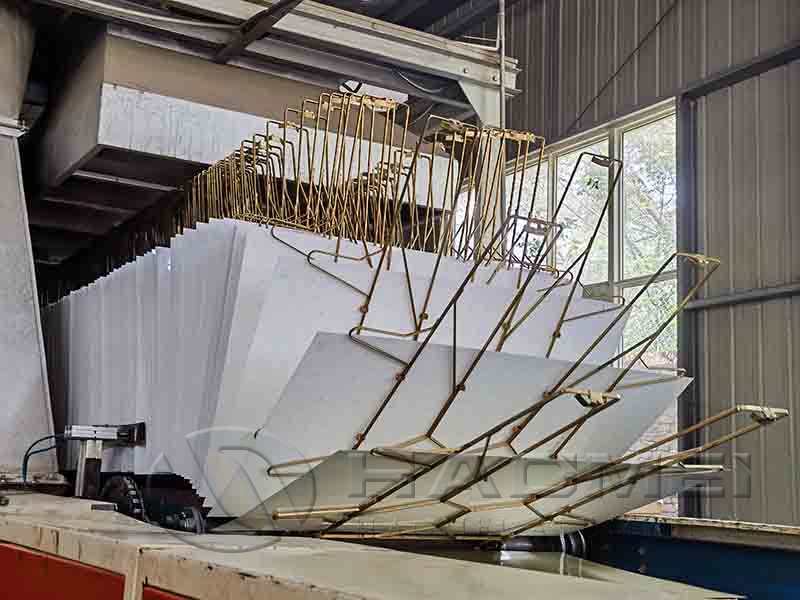
A reliable closure sheet route normally includes casting or hot rolling, cold rolling, intermediate annealing where required, final rolling, cleaning, chemical pretreatment, coating or printing, curing, slitting, and protective packing.
Use this process checklist before approving a mill or service center:
Confirm alloy chemistry against EN 573-3 or AA registration limits.
Confirm dimensional tolerances against ASTM B209 or EN 485 series, not only a commercial data sheet.
Require coil map or batch traceability from rolling to coating.
Check that lubricant is approved for the downstream forming and washing process.
Review coating bake temperature and dwell time, because under-cure causes odor and poor adhesion.
Request adhesion testing after forming, not only on flat sheet.
Verify slitting burr direction and burr height, as burrs can damage lacquer and tooling.
For closure plants, laboratory values must predict press behavior. A certificate with tensile strength and elongation is useful, but not enough.
| Test | What it catches | Typical decision point |
|---|---|---|
| Tensile strength and elongation | Incorrect temper or over-hard coil | Compare with agreed purchase specification |
| Earing test | Uneven rolling texture | Reject or downgrade if cup ears disturb trimming and skirt height |
| Cupping or draw test | Cracking risk in deep drawing | Approve only after matching actual cap geometry |
| Coating adhesion cross-hatch | Poor pretreatment or cure | Test before and after forming |
| Solvent rub | Incomplete lacquer cure | Important for printed and painted caps |
| Boiling water or pasteurization test | Blistering, whitening, loss of adhesion | Use when caps face hot fill or tunnel pasteurization |
| Odor and migration review | Food and beverage taint risk | Match to destination market rules |
A practical approval rule is simple: test the coil under production speed, with real tooling, liner compound, and capping torque. A slow laboratory draw does not always reveal bridge cracking or coating dust.
Aluminum closure sheet for beverage caps is usually part of a food-contact packaging system. Responsibility is shared by the metal supplier, coater, printer, liner producer, and cap manufacturer.
For the European Union, Regulation (EC) No 1935/2004 sets the general food-contact safety framework, and Regulation (EC) No 2023/2006 covers good manufacturing practice. EU Regulation No 10/2011 is for plastic materials; it should not be cited as the metal sheet standard unless plastic components or coatings are specifically assessed under that framework.
For the United States, coatings may be reviewed against FDA 21 CFR 175.300 for resinous and polymeric coatings when applicable. For dimensions and mechanical properties, ASTM B209 is commonly used. In Europe, EN 485 covers sheet, strip, and plate requirements, while EN 573-3 covers chemical composition.
Documents to keep with each shipment:
Mill test certificate with alloy, temper, thickness, width, and coil number.
Food-contact declaration for coating or lacquer system.
Heavy metal and restricted substance declaration when required by destination market.
Coating batch and cure records for painted or printed material.
Packing list with net weight, gross weight, coil ID, and direction of coating side.
ISO 9001 certificate; ISO 22000 or FSSC 22000 is useful for food-packaging sites.
The cost of PP cap aluminum coil is not a single metal price. It is normally built from aluminum base price, regional premium, conversion charge, coating or printing charge, slitting cost, packing, freight, finance, and duties.
| Cost component | Public or checkable reference | Control action |
|---|---|---|
| Aluminum base | LME or SHFE aluminum quotation | Use monthly average or agreed pricing window |
| Regional premium | Market assessments such as Midwest or Japan premium | Define premium basis in the contract |
| Conversion charge | Mill quotation | Separate rolling, coating, printing, and slitting items |
| Freight | Carrier quotation or freight index | Compare coil weight, pallet design, and port route |
| Scrap loss | Internal production data | Track yield from coil to finished caps |
| Working capital | Payment terms and lead time | Align order cycle with production forecast |
Market cycles are driven by energy costs, alumina supply, smelter operating rates, beverage seasonality, freight availability, and currency movement. Closure sheet prices often react with a lag because mills buy metal, schedule rolling, and coat before shipment. For stable supply, avoid placing all demand into the peak beverage season. Confirm rolling slots early when printed material is involved, as printing plates, ink approval, and color matching add time.
Use a scorecard instead of a price-only comparison.
| Area | Pass requirement | Red flag |
|---|---|---|
| Technical match | Proven alloy, temper, and coating on similar cap size | Only offers generic sheet grade |
| Quality control | Coil traceability and forming test support | Certificate without coating records |
| Surface protection | Moisture-proof packing and anti-rub separators | Water stains, edge damage, loose wrapping |
| Lead time | Clear rolling, coating, and shipping schedule | Unconfirmed production slot |
| Claim handling | Retained samples and batch investigation procedure | No method to trace defect origin |
Include these lines in the material specification:
Product: aluminum closure sheet or coil for PP pilfer-proof caps.
Alloy and temper: state exact grade and acceptable equivalent only after approval.
Thickness and tolerance: reference ASTM B209, EN 485, or agreed tighter tolerance.
Surface: plain, painted, or printed; define inner and outer side.
Coating: lacquer type, color, dry film weight if controlled, curing requirement, food-contact declaration.
Mechanical properties: tensile strength, elongation, and earing limit agreed with trial data.
Packing: eye-to-wall or eye-to-sky coil, pallet type, moisture barrier, coil ID labeling.
Acceptance: production trial, coating adhesion after forming, and cap line performance.
The safest specification is one that connects sheet data to finished cap performance. If the material forms cleanly, holds lacquer after threading, and remains compliant in the destination market, it is suitable for PP cap production.
Tags: aluminum sheet for PP caps | aluminum closure sheet | aluminum bottle cap material | PP cap aluminum coil |
Original Source: http://alclosuresheet.com/a/aluminum-sheet-for-pp-caps.html

+86-15978414719


+86-15978414719


sale@alumhm.com