


2026-03-04
Beer packaging teams often ask a simple question that hides several technical decisions: what are caps actually made from, and which aluminum specs matter most for consistent sealing and corrosion resistance. For crown closures, the dominant shell material is aluminum alloy, chosen for formability, strength after crimping, and compatibility with coatings and liners.
A crown closure is a system, not a single raw material. It typically includes:
Aluminum shell. The metal part that is stamped into a crown shape and crimped over the glass finish.
Organic coating. A thin protective layer on the inside, and often decoration coating on the outside, designed to reduce metal beverage contact and improve corrosion resistance.
Liner or sealing compound. The compressible layer that creates the seal against the bottle lip.
For aluminum shells, producers select alloys and tempers that balance deep draw performance with sufficient stiffness so the cap retains clamp force after crimping. In practice, this is why sourcing is less about one universal grade and more about matching the closure maker's tooling and the beverage's chemistry.
Aluminum is widely used for crown closures because it combines low density with excellent workability. When a crown is formed, the metal is subjected to drawing, bending, and edge forming. The shell must deform predictably without tearing, then hold shape to maintain seal integrity.
Bulk procurement teams usually care about four performance points:
Forming window. Stable drawability helps reduce splits, wrinkles, and height variation.
Strength after crimp. Adequate yield strength helps the cap keep pressure on the liner.
Corrosion behavior. Beer can contain carbon dioxide, organic acids, and trace chlorides, which can accelerate pitting if coatings are compromised.
Print and appearance. Decoration quality depends on surface cleanliness, coating adhesion, and consistent thickness.
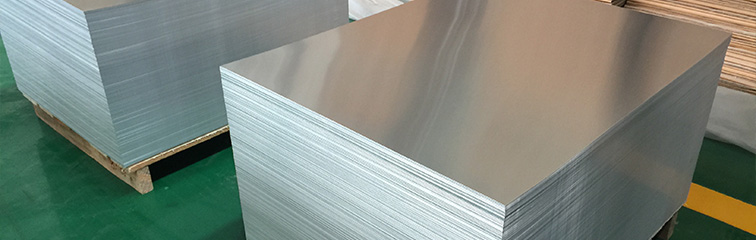
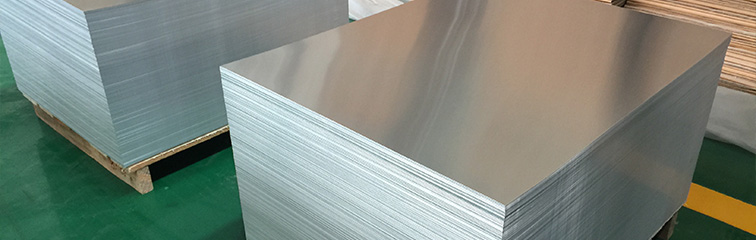
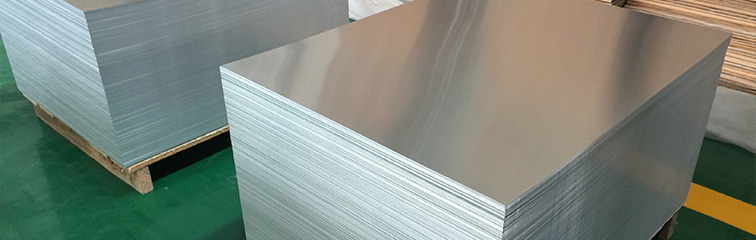
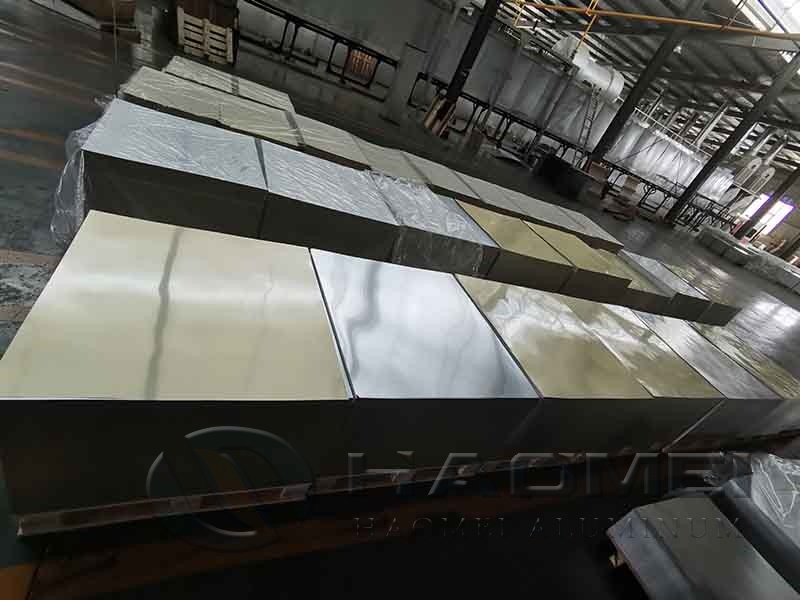
When discussing supply, it is common to reference base metal supplied as Plain Aluminum for subsequent coating, printing, and stamping, depending on the closure manufacturer's production flow.
Because beer is carbonated and can vary in pH, the liner and coating package matters as much as the shell.
Common liner families include PVC based compounds and PVC free alternatives. Specific formulations vary by closure producer, and authoritative selection is typically validated through migration compliance testing, sensory evaluation, and shelf life trials. Instead of assuming one liner is universally best, many breweries standardize on a proven compound and then qualify metal suppliers to maintain consistent forming and coating adhesion.
Inside coatings reduce direct contact between beverage and metal, especially critical if the cap experiences scratches during capping. Outside coatings and inks are selected for abrasion resistance, pasteurization conditions, and wet environment durability.
Sourcing teams often receive a long specification list, but a few items drive most factory outcomes.
Uniform thickness supports stable stamping force and helps avoid uneven skirt formation. Tight thickness tolerance also improves liner compression consistency after crimp.
Residual rolling oils, particles, or inconsistent surface tension can reduce coating adhesion and cause print defects. Many closure producers require defined cleanliness levels and surface inspection routines.
Tempers are chosen so the metal forms without tearing yet is not so soft that crowns lose retention. Closure makers will typically specify acceptable ranges for tensile properties rather than one fixed number, because forming success depends on die design and press settings.
Beer exposure makes inside coating performance essential. From a purchasing perspective, it is useful to confirm:
Coating type and dry film weight targets.
Cure conditions compatibility with the supplier's coil coating line.
Resistance expectations under wet storage, pasteurization, or tunnel warming.
The table below shows how typical concerns map to material attributes.
| Customer concern in crown production | Material attribute to confirm | What it affects on the line |
|---|---|---|
| Split, crack, or edge tearing | Formability and elongation range | Scrap rate and press uptime |
| Wrinkles or uneven skirt | Thickness tolerance and temper stability | Crimp uniformity and appearance |
| Poor ink adhesion or scuffing | Surface cleanliness and coating system | Brand appearance in handling |
| Off taste risk after storage | Liner and inside coating qualification | Sensory stability and shelf life |
| White corrosion or pitting | Coating integrity and corrosion resistance | Returns and leakage complaints |
To reduce qualification cycles, align early with the closure manufacturer and your filling conditions.
What crown diameter and profile are being stamped, and what are the forming limits of the die set.
Will caps be used on pasteurized beer, or stored in high humidity warehouses.
Are there requirements for oxygen scavenging liners or specific seal compounds.
Which decoration method is planned, and what abrasion resistance target is required.
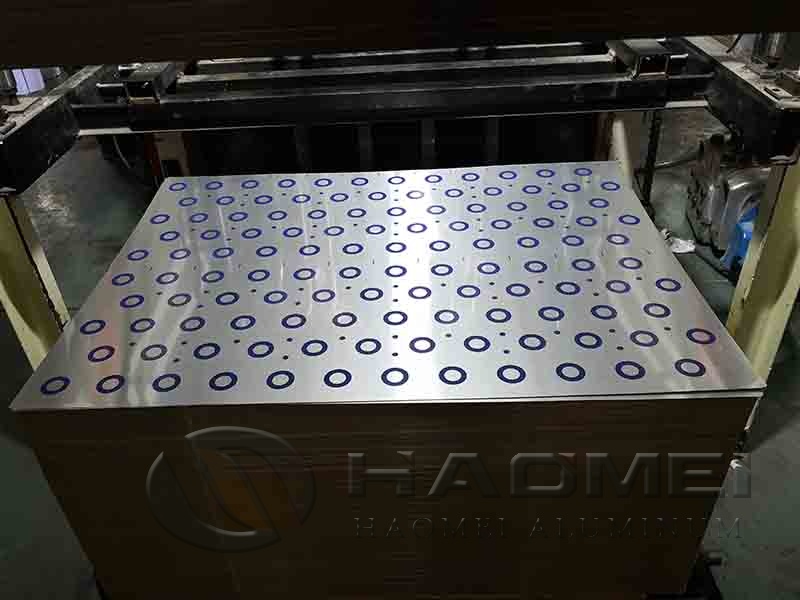
If decoration is part of the requirement, discuss whether the supplier can support pre coated, printed aluminum inputs and how that integrates with stamping. Many operations evaluate printed stocks alongside base metal because decoration yield can influence total cap cost.
For product teams assessing sourcing options, specifying cap shell stock requirements in terms of thickness tolerance, surface cleanliness, and mechanical property ranges often improves comparability across mills without over constraining to one proprietary grade.
Do not rely on assumptions about food contact suitability. For beer closures, verification commonly includes:
Coating and liner compliance declarations aligned to the target market's regulations.
Internal coating continuity checks and cure verification per the closure maker's methods.
Packaging line trials to confirm crimp performance, leak rate, and drop resistance.
Shelf life checks to watch for corrosion, flavor scalping, or liner interactions.
A disciplined approach that treats the crown as a shell plus coating plus liner system, and that ties aluminum mechanical properties to the actual stamping and capping conditions, is usually the fastest path to stable production and fewer field issues.
Tags: crown cap aluminum | bottle cap liner |
Original Source: http://alclosuresheet.com/a/beer-bottle-cap-material.html

+86-15978414719


+86-15978414719


sale@alumhm.com