


2026-05-13
For aluminum caps, the main purchasing risk is not only price. It is whether the sheet or coil can form cleanly after coating, printing, drying, storage, and high-speed stamping. The top concern for volume users should be crack-free formability with stable coating adhesion.
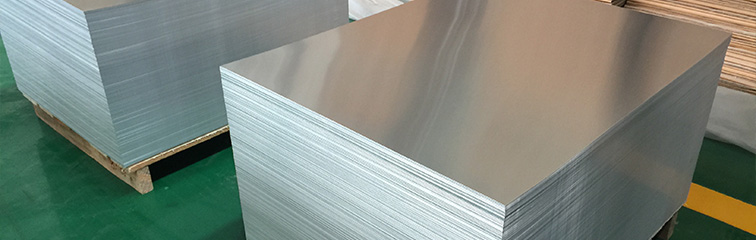
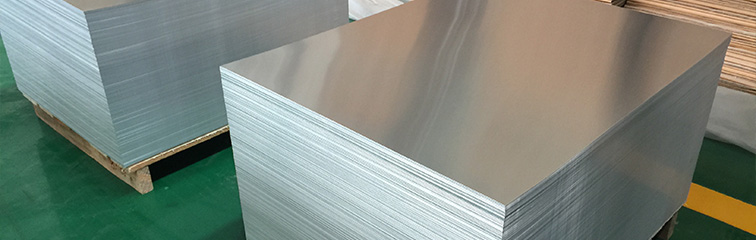
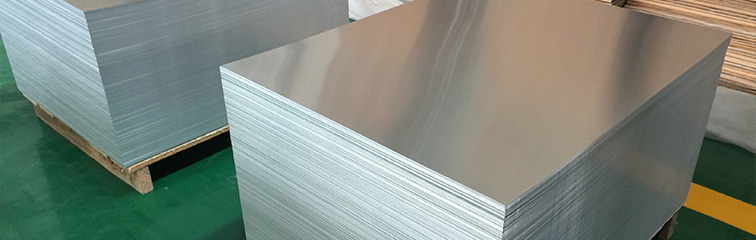
Aluminum closure sheet is commonly supplied as plain, painted, or printed coil/sheet for PP caps, ROPP caps, wine and spirits closures, beverage closures, pharmaceutical caps, and pilfer-proof seals.

Most cap failures start with an incomplete specification. A cap plant should define alloy, temper, thickness, coating system, print layout, lubrication, and food-contact requirements before comparing offers.
Common aluminum grades for closures include 8011, 8011A, 3105, 5052, and 5182, depending on cap design and required strength. 8011 is widely used for pilfer-proof and ROPP closures because it balances formability and cost. 3105 is often selected when slightly higher strength is needed. 5182 is used where higher mechanical performance is required, but it usually costs more and needs tighter forming control.
| Cap application | Typical material choice | Main technical risk | Practical control point |
|---|---|---|---|
| ROPP wine and spirits cap | 8011 or 3105, H14/H16 range | Earing, skirt cracking | Require earing data and trial forming report |
| PP beverage cap | 8011 or 3105 | Coating damage during knurling | Check reverse impact and adhesion after forming |
| Pharmaceutical seal | 8011, soft to half-hard tempers | Cleanliness, pinholes, burrs | Define surface cleanliness and slitting tolerance |
| Printed decorative cap | Painted or litho printed sheet | Ink mismatch, scuffing | Approve color under agreed light source |
When caps have deep drawing, long skirts, or tight knurling, do not rely on nominal alloy alone. Ask for mechanical ranges: tensile strength, yield strength, elongation, thickness tolerance, surface finish, and earing percentage. ASTM B209/B209M and EN 485 are commonly referenced for aluminum sheet and strip dimensional and mechanical requirements.
For uncoated conversion or in-house printing, Plain Aluminum closure stock gives better control over coating design, but it also transfers pretreatment and food-contact coating responsibility to the converter.
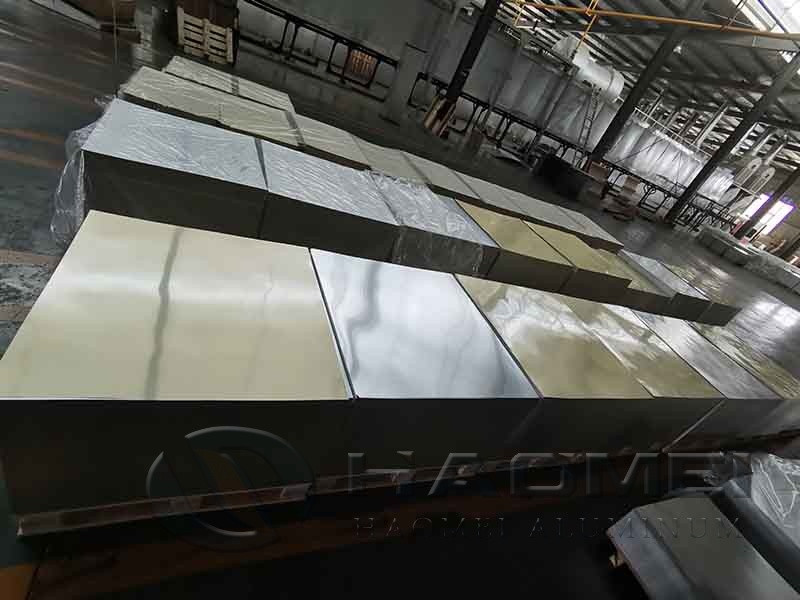
Painted aluminum closure sheet normally follows this route: casting, scalping, hot rolling, cold rolling, annealing or stabilization, degreasing, chemical pretreatment, coating, baking, inspection, slitting, and packing. Printed stock adds base coating, printing, over-varnish, curing, and layout registration control.
Use this incoming inspection checklist before releasing material to production:
Confirm coil ID, alloy, temper, thickness, width, and batch traceability.
Measure thickness at edge, quarter, center, quarter, and opposite edge.
Test coating adhesion by cross-hatch or tape method agreed with the supplier.
Check MEK rubs or solvent resistance if specified by the coating system.
Run a small forming test on the actual cap press before full release.
Inspect surface for scratches, black spots, roller marks, edge waves, and oil stains.
Verify print position, color tolerance, gloss, and over-varnish coverage.
Check coil winding, edge quality, burrs, and telescoping before storage.
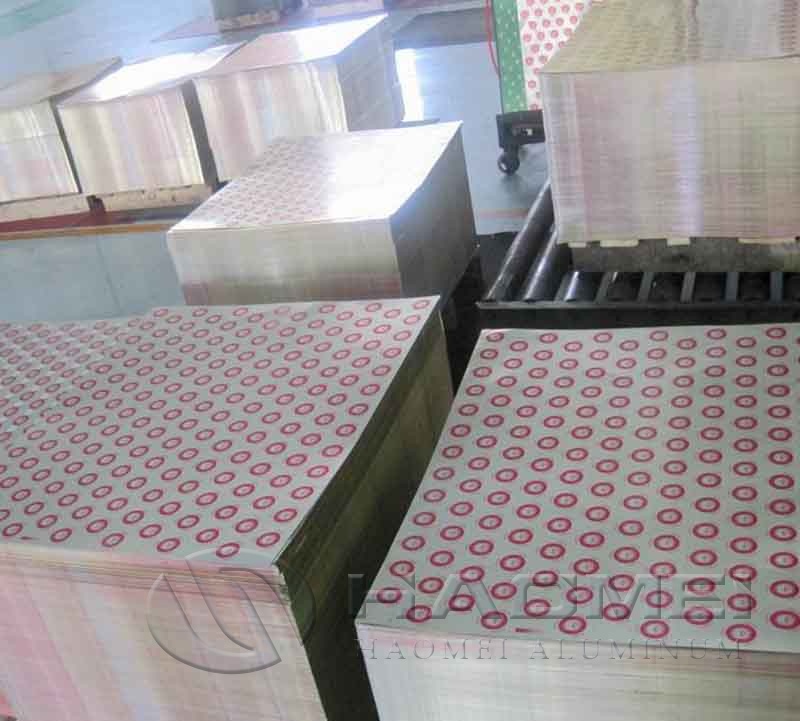
For printed cap material, artwork control matters as much as metal quality. Define unwinding direction, repeat length, eye mark position, sheet layout, allowable color difference, and packing orientation. A small direction error can create large scrap when caps are stamped at high speed.
Aluminum closure stock pricing usually has four parts: metal value, conversion cost, coating or printing cost, and logistics. Metal value is often linked to LME aluminum or regional market references. LME aluminum prices are quoted in USD per tonne, while North American transactions may also include Midwest premium; European transactions may reference duty-paid regional premiums.
The International Aluminium Institute reported world primary aluminum production at about 70.6 million tonnes in 2023. This large supply base does not remove cycle risk. Energy prices, alumina supply, sanctions, freight disruption, and regional premiums can quickly move delivered cost. In March 2022, LME aluminum reached record levels above USD 3,800 per tonne during the Russia-Ukraine shock, showing why contract formulas need transparent metal references.
| Cost item | What changes it | How to control it |
|---|---|---|
| Aluminum base price | LME or regional aluminum movement | Use a clear pricing formula and quotation date |
| Conversion premium | Gauge, width, temper, order pattern | Standardize thickness and slit widths where possible |
| Coating cost | Lacquer type, coating weight, BPA-NI demand | Approve one compliant coating system per cap family |
| Printing cost | Number of colors, repeat, varnish | Combine artwork runs when feasible |
| Freight and duty | Route, Incoterms, tariffs, port congestion | Compare delivered cost, not ex-works price only |
| Scrap rate | Forming cracks, print defects, burrs | Track supplier batch performance by ppm and yield |
Food-contact and packaging compliance must be checked before production, not after shipment. For metal closures with coatings, relevant regulations may include EU Regulation (EC) No 1935/2004 on materials intended to contact food, EU Regulation (EC) No 2023/2006 on good manufacturing practice, and applicable national coating rules. In the United States, coating components may need to comply with FDA 21 CFR provisions such as 175.300 for resinous and polymeric coatings, depending on intended use.
Packaging heavy metals are also regulated. EU Packaging Directive 94/62/EC limits the combined concentration of lead, cadmium, mercury, and hexavalent chromium to 100 ppm in packaging. REACH and SVHC declarations are often requested for the EU market. If the cap contacts alcoholic beverages, acidic drinks, or sterilized products, request migration or extraction test evidence from the coating supplier or converter.
Use this document pack for every approved closure material:
| Document | Why it is needed |
|---|---|
| Mill test certificate | Confirms alloy, temper, thickness, and mechanical properties |
| Coating technical data sheet | Defines coating type, cure, color, and intended contact condition |
| Food-contact declaration | Supports EU, FDA, or other market compliance review |
| Heavy metal declaration | Supports packaging law compliance |
| REACH/SVHC statement | Required by many EU customers |
| Trial forming report | Verifies cap production performance before scale-up |
| Batch traceability record | Helps isolate defects and reduce recall scope |
Market cycles affect buying strategy. In a rising aluminum cycle, secure metal formula validity, production slot, and coating availability early. In a falling cycle, avoid excessive fixed-price inventory unless demand is confirmed. During freight disruption, wider coils and local slitting may reduce risk, but only if edge quality and burr control remain acceptable.
For supplier comparison, score each candidate on forming yield, coating compliance, color consistency, lead time, claims response, and delivered cost per thousand caps. A lower coil price is not attractive if it increases press downtime, coating flaking, or rejected printed sheets.
Tags: Aluminum closure sheet | Bottle cap material | ROPP cap stock | Painted aluminum coil |
Original Source: http://alclosuresheet.com/a/bottle-cap-material.html

+86-15978414719


+86-15978414719


sale@alumhm.com