


2026-02-24
Bottle cap manufacturing depends on consistent forming behavior, stable coatings, and reliable supply. For high speed closure lines, the right sheet or coil choice reduces scrap, improves decoration yield, and helps your caps seal consistently across different beverages and fill conditions. This page introduces common options for cap makers using plain, painted, or printed aluminum, with practical selection points for alloy, temper, surface treatment, and quality control.
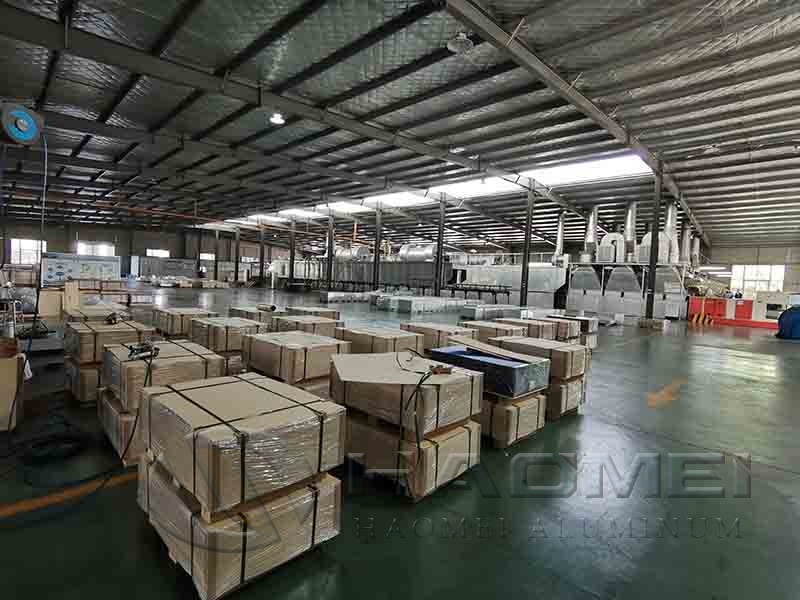
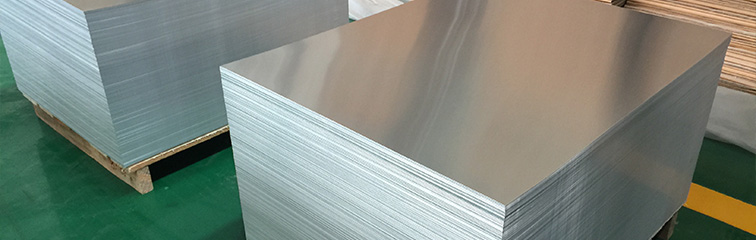
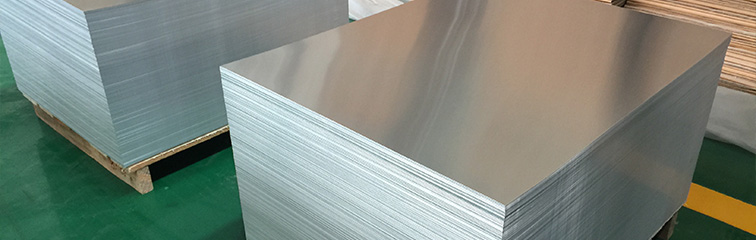
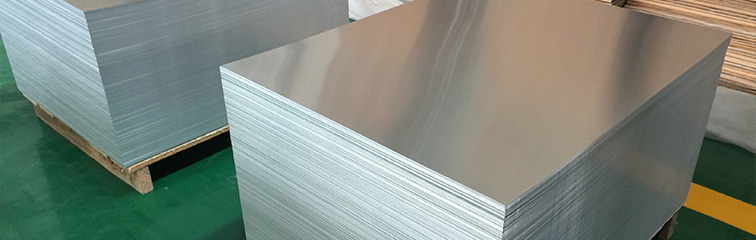
We supply cap makers with sheet and coil designed for stamping, drawing, and knurling operations used in pilfer proof caps, ROPP closures, beverage caps, and other aluminum closures. Material can be delivered in coil for press feeding or in cut to size sheets for flexible lot production.
Plain stock: Used when decoration is done later in house or when an uncoated inner surface is required for a specific liner system.
Painted stock: Used when you need stable color, corrosion resistance, and controlled friction for forming. Painted coil also supports high line productivity because coating uniformity helps reduce scuffing.
Printed stock: Used when brand graphics are applied before forming. A good print system needs strong ink adhesion and abrasion resistance to withstand cap forming and handling.
For applications requiring uncoated supply, we can provide Plain Aluminum in sheet or coil with controlled gauge, flatness, and surface quality suitable for closure conversion.
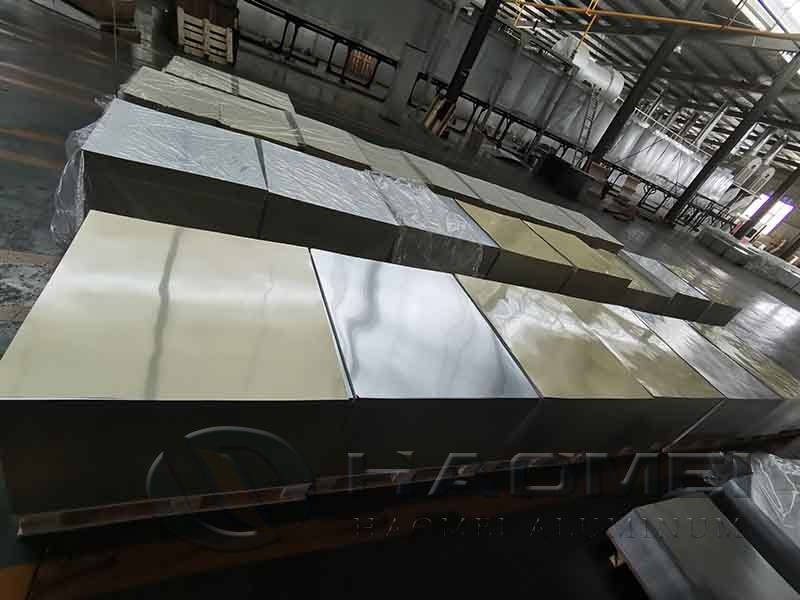
Selection should be driven by your cap design, tooling, press speed, and decoration process. The combinations below reflect widely used industry practices for closure stock. Final suitability depends on your forming trials and your local regulatory requirements for food contact coatings.
Aluminum closure stock frequently uses 8xxx and 3xxx series alloys because they balance formability with strength. Temper is chosen to match how much deformation occurs during forming and to help control knurl definition and thread performance.
| Item | Typical choice for closures | Why it is used | Notes for production |
|---|---|---|---|
| Alloy family | 3xxx series (e.g., Al Mn) | Good formability, stable mechanical properties | Confirm your target yield strength and elongation with your tooling |
| Temper range | H14 or similar | Supports stamping and forming without excessive earing | Optimize for your cap height, skirt design, and pilfer band |
| Gauge range | Based on cap design | Affects stiffness, torque retention, and forming stability | Tighter gauge tolerance helps reduce line adjustment |
| Surface finish | Smooth, controlled roughness | Affects paint adhesion, ink anchorage, and friction | Too smooth can risk coating adhesion; too rough can print poorly |
Paint and print performance are often tied to coating chemistry, curing, and the forming severity at the skirt and knurl. Many cap lines use a base coat plus a top coat, and printed designs are protected by a clear over varnish when needed.
| Surface option | Typical structure | Benefits for cap makers | Key checks |
|---|---|---|---|
| Painted (single or double side) | Primer plus top coat | Consistent color, corrosion resistance, controlled friction | Coating thickness uniformity, gloss, color delta, abrasion |
| Printed | Base coat plus inks, optional over varnish | Brand graphics applied before forming | Ink adhesion, rub resistance, registration stability |
| Food contact interior coating | Functional lacquer system | Helps resist product attack and protects appearance | Verify compliance to your market regulations and product type |
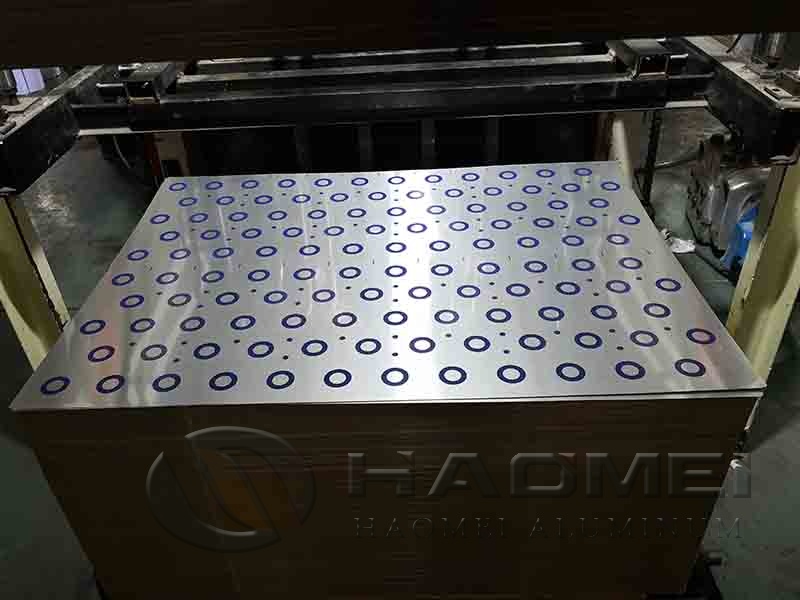
Your best option depends on where decoration happens in your process and how sensitive your caps are to surface friction and scuffing.
If you print after forming. Plain or painted aluminum stock may be preferred, depending on whether you need a colored base or corrosion protection before printing.
If you print before forming. Printed coil can reduce steps in your cap plant, but it requires carefully matched ink, coating hardness, and forming parameters to avoid cracking at high deformation zones.
If you need maximum flexibility across brands. Painted supply with a standard base color can support multiple product lines, while final branding is handled through secondary decoration.
When evaluating coated stock, focus on how the surface behaves under your actual press conditions. Coatings that look good on flat sheet can fail if friction is too high, cure is off, or the coating is too brittle at the pilfer band and knurl.
Cap makers often measure incoming material beyond basic chemical composition.
| Control point | What it prevents | Why it matters on the line |
|---|---|---|
| Gauge and width tolerance | Inconsistent cap height, weight variation | Reduces press setup time and scrap |
| Flatness and camber | Feeding issues, die marks | Stable feeding improves OEE |
| Surface cleanliness | Paint defects, fisheyes, ink voids | Improves decoration yield |
| Coating cure and adhesion | Flaking, cracking during forming | Protects appearance and reduces rejects |
| Lubricity and friction stability | Scuffing, scratches | Consistent forming and stacking behavior |
For bulk procurement, stable logistics can be as important as material selection.
Coil ID and OD: Matched to your decoiler and press feeding system.
Edge condition: Clean edges reduce handling risk and prevent coil breaks.
Protective film and interleaf: Helpful for high gloss finishes and printed surfaces.
Traceability: Heat, coil, and lot marking supports root cause analysis and ongoing process improvement.
If you already run a qualified alloy and temper, the fastest way to validate a new supply is to align on your key forming metrics, decoration requirements, and inspection plan, then confirm with a short trial coil or pilot sheets before scaling to full volume.
Tags: aluminum cap stock | closure sheet and coil |
Original Source: http://alclosuresheet.com/a/aluminum-bottle-cap-material.html

+86-15978414719


+86-15978414719


sale@alumhm.com