


2026-04-16
Holiday demand changes packaging risk fast. For beverage, spirits, edible oil, pharmaceutical, and personal care brands, a delayed cap or closure program can disrupt filling schedules at the worst time of year.
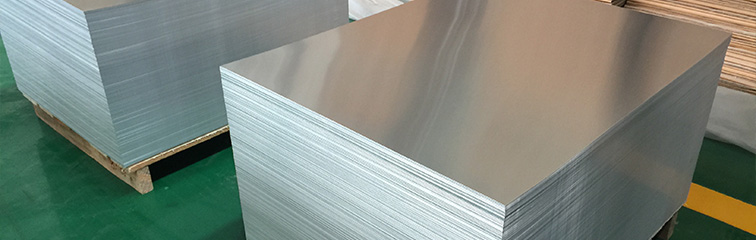
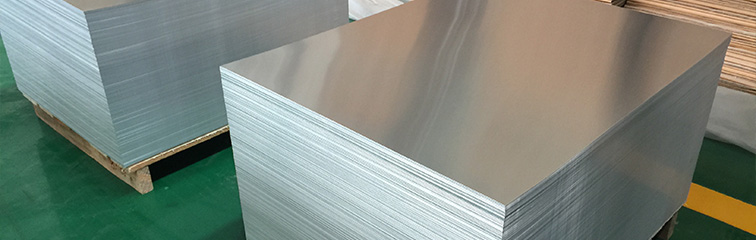
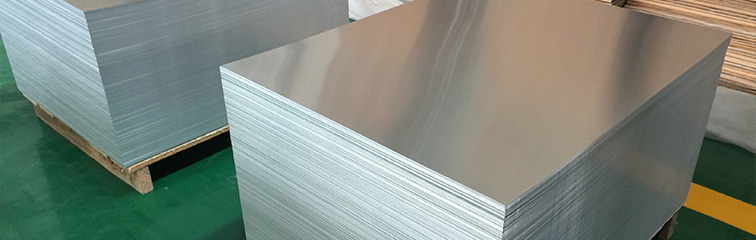
That is where DOS oil coated aluminum sheet becomes a practical holiday solution. It helps converters and manufacturers protect surface quality during storage, transport, and stamping, especially when demand peaks before Christmas, New Year, Ramadan, summer beverage season, and other promotional periods.
This article focuses on one top concern: surface protection during peak-season handling and conversion.
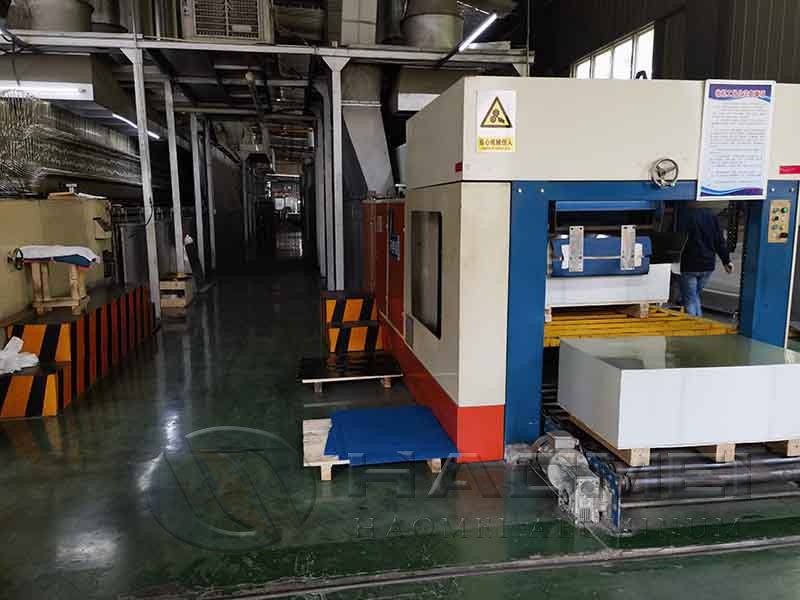
DOS usually refers to dioctyl sebacate, a lubricating oil used on aluminum sheet or coil for closure stock and related forming applications. In practice, a light and controlled oil film can help reduce friction during processing and support stable stamping performance.
For seasonal packaging programs, the value is simple: fewer avoidable surface issues when material moves through cutting, slitting, storage, transport, and cap production.
Typical holiday-season problems include:
Surface scratches after repeated coil handling.
Sticking or scuffing during high-speed press runs.
Inconsistent appearance on decorative closures.
Delays caused by extra cleaning or sorting.
Waste increases when forming lines run faster to meet promotions.
A properly oiled aluminum sheet helps address these issues, especially for cap stock, pilfer-proof closures, roll-on caps, and cosmetic lids.
If your program also uses Plain Aluminum for non-lubricated applications, separating the material specification by end use can reduce unnecessary cost and processing variation.
Peak-season purchasing should be specification-led, not only price-led. Ask suppliers to confirm the following points in writing.
Alloy and temper
Common closure applications often use 8011, 3105, or 5052 depending on forming and strength requirements. Confirm the exact grade needed for your cap design.
Oil type and coating amount
Verify that the oil used is DOS and ask for the target coating range. The required amount depends on press speed and downstream coating or printing conditions.
Surface cleanliness
Confirm whether the sheet is intended for direct stamping, printing, lacquering, or both.
Width, thickness, and tolerance
Holiday runs leave little room for dimensional variation. Tight gauge control supports stable shell height and curl formation.
Packing method
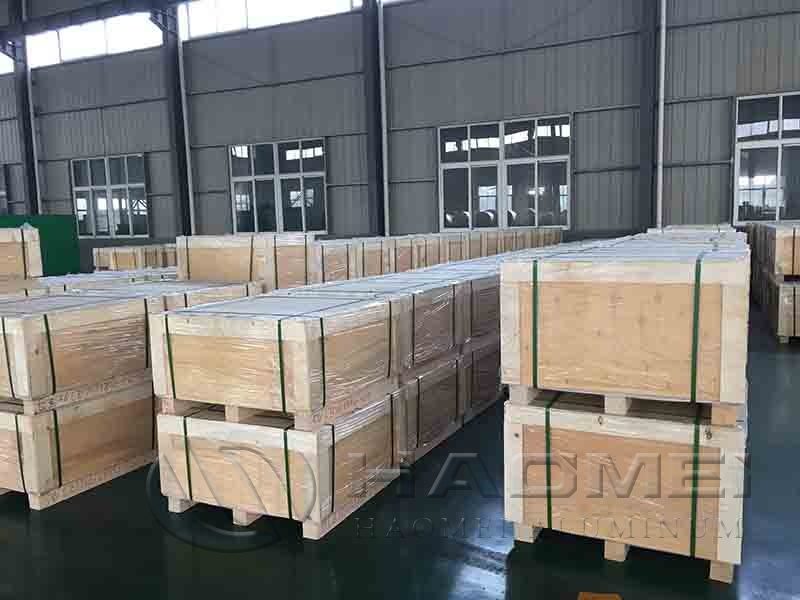
Ask how the supplier prevents edge damage, moisture exposure, and coil movement in transit.
Compliance documents
For food, beverage, or pharma closures, request declarations relevant to the destination market. Regulatory review should cover the full packaging system, not only the metal substrate.
| Item | DOS oiled aluminum sheet | Non-oiled aluminum sheet |
|---|---|---|
| Handling protection | Better resistance to scuffing during movement and stamping | Higher risk of friction-related marking |
| High-speed press performance | Usually more stable in demanding runs | May need extra lubrication at conversion |
| Seasonal inventory storage | Helpful when stock is held before campaign launch | Surface risk may increase with repeated handling |
| Decorative cap appearance | Supports cleaner surface retention | More sorting may be needed if marks occur |
| Suitable uses | Cap stock, closure shell production, formed parts | General sheet uses where oil is not desired |
The exact result depends on tooling, storage conditions, and line speed. Ask for trial data from your own press line whenever possible.
Because end uses vary, there is no single universal price or one-rule specification for all oiled aluminum sheets. Still, there are verifiable factors that help evaluate offers.
Most suppliers quote fabricated product pricing from:
LME aluminum reference price.
Regional premium.
Conversion charge.
Packaging and freight.
Surface treatment surcharge, if applicable.
This is why pricing changes frequently around holiday shipping windows. Ocean freight, port congestion, and warehouse lead times can alter delivered cost even when metal prices are stable.
For wrought aluminum and alloy composition, recognized standards include:
ASTM B209 for aluminum and aluminum-alloy sheet and plate.
EN 485 series for aluminum and aluminum alloy sheet, strip, and plate in Europe.
GB/T 3880 is also commonly referenced in China for rolled aluminum products.
These standards help verify thickness tolerance, mechanical properties, and chemical composition. They do not automatically guarantee suitability for closures, so application-specific review is still necessary.
If the final use is a beverage or edible product closure, ask how the packaging structure meets destination-market rules. Depending on region, compliance review may involve:
EU Framework Regulation EC No 1935/2004 for materials intended to contact food.
Good manufacturing practice under EC No 2023/2006.
U.S. FDA framework for indirect food-contact materials, where applicable to coatings, sealants, liners, or process substances.
Important: DOS coating on metal stock should be assessed as part of the complete conversion process. Do not assume that a lubricated surface alone determines food-contact acceptance.
| Checkpoint | Why it matters in holiday season | What to request |
|---|---|---|
| Production lead time | Prevents missed filling schedules | Confirm mill slot and dispatch week |
| Oil coating consistency | Reduces conversion instability | Coating specification or QC report |
| Coil ID, OD, and weight | Matches press and decoiling equipment | Packing list before shipment |
| Surface inspection method | Lowers cap rejection risk | Visual standard and inspection record |
| Export packing | Protects appearance during long transit | Photos of wrapped coils or sheets |
| Trial support | Speeds qualification before peak demand | Sample or pilot quantity |
When the application is closure stock, some users compare DOS-oiled material with Plain Aluminum only on unit price. That can be misleading if scuffing, scrap, or downtime rise during promotional production.
For seasonal campaigns, the best approach is to work backward from the packaging launch date.
Lock cap design and alloy requirement first.
Reserve material 8 to 12 weeks early if imported supply is involved.
Run stamping trials before artwork printing begins.
Confirm warehouse conditions to avoid moisture and dust.
Keep a buffer quantity for replacement during holiday logistics disruptions.
DOS-coated aluminum sheet is especially relevant when:
Caps must look clean on retail shelves during gift-giving seasons.
Press lines run faster before major festivals.
Inventory sits longer ahead of a launch window.
The closure design is sensitive to friction marks.
Production teams need smoother conversion with less interruption.
For packaging teams planning year-end beverage promotions or premium spirits releases, this material is less about adding complexity and more about reducing avoidable risk at the busiest moment in the calendar.
Tags: DOS oil coated aluminum sheet | aluminum sheet for caps |
Original Source: http://alclosuresheet.com/a/dos-oil-coated-aluminum-sheet.html

+86-15978414719


+86-15978414719


sale@alumhm.com