


2026-04-22
Feature focus: print adhesion stability. For cap manufacturers, the top concern is often not color alone, but whether inks and coatings survive stamping, threading, pasteurization, transport, and shelf life without cracking, scuffing, or color drift.

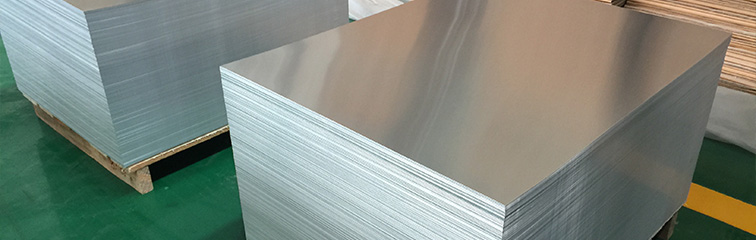
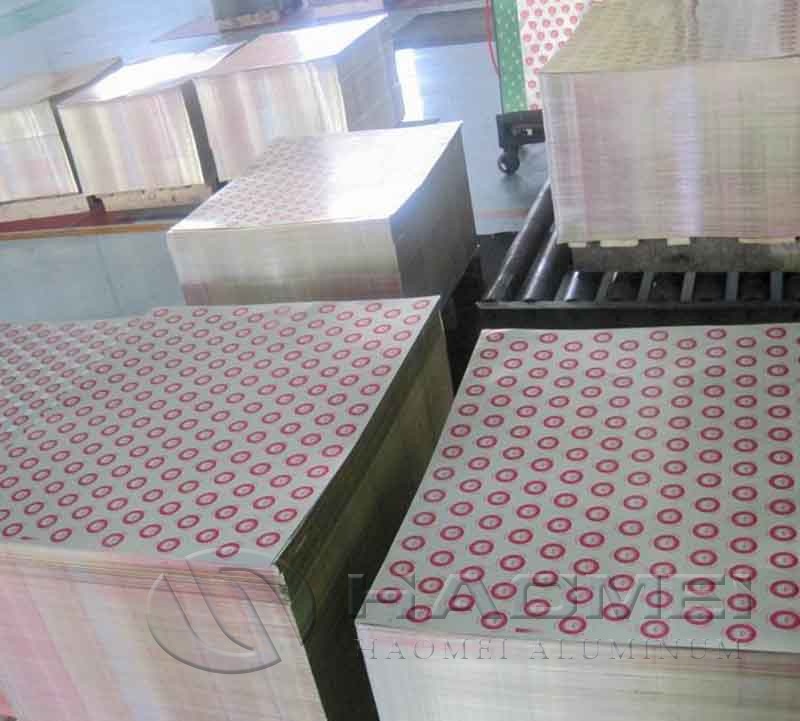
In bottle cap supply chains, printed aluminum usually refers to rolled aluminum sheet or coil that has been coated and decorated before conversion into caps such as PP caps, ROPP caps, pilfer-proof closures, and screw caps. Typical substrates are AA8011, AA3105, and AA1070 series materials, selected according to formability, strength, and cost.
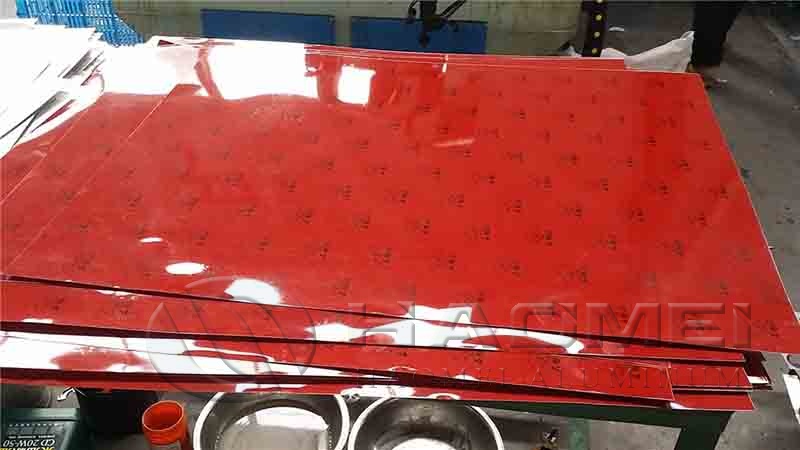
For closures, pre-painted and pre-decorated stock reduces downstream printing steps and improves appearance consistency. It is commonly supplied as sheet or coil with food-contact compliant coatings on the inner and outer surfaces. If your line runs high-speed shell punching and multi-stage forming, the decoration system matters as much as alloy and temper.
A practical sourcing route is to compare Printed Aluminum by end use, not by color sample alone. Two sheets with similar appearance can behave very differently after cupping and knurling.
The process chain is usually:
Hot rolling and cold rolling of closure stock.
Annealing to target temper and earing performance.
Surface cleaning and chemical pretreatment.
Primer coating.
Base coat and decorative printing.
Over-varnish, curing, slitting, and sheet cutting.
Cap conversion, liner insertion, and packing.
Most visible defects begin at three points:
Surface pretreatment inconsistency.
Mismatch between coating flexibility and forming depth.
Excess cure or under-cure during coating and ink baking.
For aluminum closures, print systems must tolerate deformation. If the lacquer is too brittle, micro-cracks appear after shell drawing. If adhesion is weak, ink pick-off or edge peel can occur during threading and capping.
Confirm alloy and temper against cap type.
Verify coating system: epoxy-free, polyester, acrylic, or other declared chemistry.
Ask for dry film thickness range for primer, color coat, and over-varnish.
Check curing conditions and solvent resistance data.
Request adhesion test method and result after forming.
Review food-contact declaration for intended market.
Inspect gloss, color delta, pinholes, scratches, and edge quality.
Run a line trial, not only a flat-sheet visual check.
The most common mistake is overemphasizing thickness and underchecking coating performance. For closures, these are the properties that directly affect production risk.
| Item | What to check | Why it matters |
|---|---|---|
| Alloy | AA8011, AA3105, AA1070 | Affects strength, formability, cost |
| Temper | H14, H16, H24, or agreed custom temper | Controls shell drawing and thread forming |
| Thickness | Often around 0.18-0.24 mm, depending on cap design | Impacts stiffness and metal consumption |
| Width tolerance | Match punching layout | Reduces scrap and misfeed |
| Coating adhesion | Cross-hatch, tape, post-forming check | Prevents peel and print loss |
| Flexibility | T-bend or forming simulation | Avoids cracking after stamping |
| Color consistency | Delta E target by batch | Protects brand appearance |
| Lubricity | Surface slip suited to press speed | Stabilizes feeding and tooling wear |
Typical closure stock thickness depends on diameter, cap height, embossing depth, and pressure resistance requirements. For exact gauges, buyers should align with converter tooling rather than use a generic market number.
Food and beverage closures are regulated by destination market. For U.S. food-contact applications, suppliers commonly reference U.S. FDA framework under 21 CFR for indirect food additives, depending on coating chemistry. For the EU, buyers often ask for compliance with Framework Regulation (EC) No 1935/2004, GMP Regulation (EC) No 2023/2006, and where relevant, supplier declarations for coating constituents.
For aluminum alloy composition, internationally used references include EN 573 for chemical composition and EN 485 for wrought aluminum sheet properties in Europe. Quality systems such as ISO 9001 are common baseline requirements. If closure stock is used for beverage lines with strict migration controls, request specific migration or overall migration declarations from the coating supplier or integrated mill-coater.
Mill test certificate with alloy and mechanical properties.
Coating technical data sheet.
Food-contact declaration for destination market.
REACH or RoHS statement if requested by customer policy.
Batch traceability from coil to finished sheet.
Statement on BPA-NI or other restricted substances, if relevant to your specification.
Aluminum closure material pricing usually has two parts:
LME or regional aluminum metal basis.
Conversion premium covering rolling, coating, printing, slitting, packaging, and margin.
Printed stock costs more than plain or only painted material because yield losses, ink systems, and quality control are higher. Energy prices, can sheet and foil demand, freight volatility, and coating raw material costs all affect conversion premiums.
According to World Bank and IMF commodity tracking frameworks, aluminum prices are cyclical and sensitive to power costs, Chinese supply policy, global manufacturing demand, and disruptions in bauxite, alumina, or smelting. For closure buyers, this means spot buying can expose you to both metal volatility and lead-time risk.
| Material type | Relative cost | Main advantage | Main risk |
|---|---|---|---|
| Plain aluminum sheet | Lowest | Flexible downstream decoration | More in-house processing needed |
| Painted aluminum | Medium | Better corrosion and appearance base | Still requires further decoration for branded caps |
| Printed stock | Highest | Faster cap conversion, stable artwork | Greater sensitivity to adhesion and color control |
A practical approach is to dual-track sourcing: secure quarterly metal-linked volume, then keep a smaller flexible allocation for urgent artwork changes or seasonal demand.
Closure material supply chains can include rolling mill, coater-printer, service center, converter, and liner supplier. Delays often come from coating queue congestion rather than metal shortage alone.
Use this screening list when evaluating suppliers of Printed Aluminum:
Do they coat and print in-house or outsource?
Can they provide repeatable batch color data?
What is the complaint rate for adhesion or abrasion?
What is the standard lead time for new artwork and repeat orders?
Are coils packed for humid or marine transit?
Can they slit to widths that match your press nesting plan?
Do they have traceability down to coating batch and curing run?
| Defect | Likely cause | What to do |
|---|---|---|
| Ink peel after forming | Weak pretreatment or brittle coating | Recheck pretreatment, post-forming adhesion, cure window |
| Color variation | Batch mixing or poor ink control | Set delta E limits and master panel approval |
| Orange peel surface | Coating viscosity or cure issue | Audit coating line parameters |
| Scratches in transit | Poor interleaving or packing | Upgrade packing and pallet design |
| Edge cracking | Wrong temper or low coating flexibility | Match temper to cap geometry and redraw depth |
| Odor concern | Incomplete cure or unsuitable coating | Request cure validation and food-contact declaration |
For cap converters, the safest qualification method is a full forming trial with your own tooling, liner system, and capping conditions. Flat-sheet approval alone does not predict field performance.
By focusing first on adhesion stability, then on alloy-temper fit, compliance documents, and price formula transparency, buyers can reduce scrap, claim risk, and supply interruptions in aluminum cap programs.
Tags: printed aluminum | aluminum closure sheet |
Original Source: http://alclosuresheet.com/a/printed-aluminum.html

+86-15978414719


+86-15978414719


sale@alumhm.com