


2026-08-27
In the packaging sectors for beverages, pharmaceuticals, and personal care products, aluminum bottle caps have become the mainstream choice due to their outstanding advantages: lightweight nature, excellent sealing capabilities, eco-friendliness, and recyclability.
The production of high-quality aluminum caps relies fundamentally on aluminum bottle cap material that offers stable performance and meets rigorous quality standards. The manufacturing process is precise and standardized, comprising three main stages: preparation of aluminum coils, precision processing of aluminum sheets, and final quality inspection and packaging.

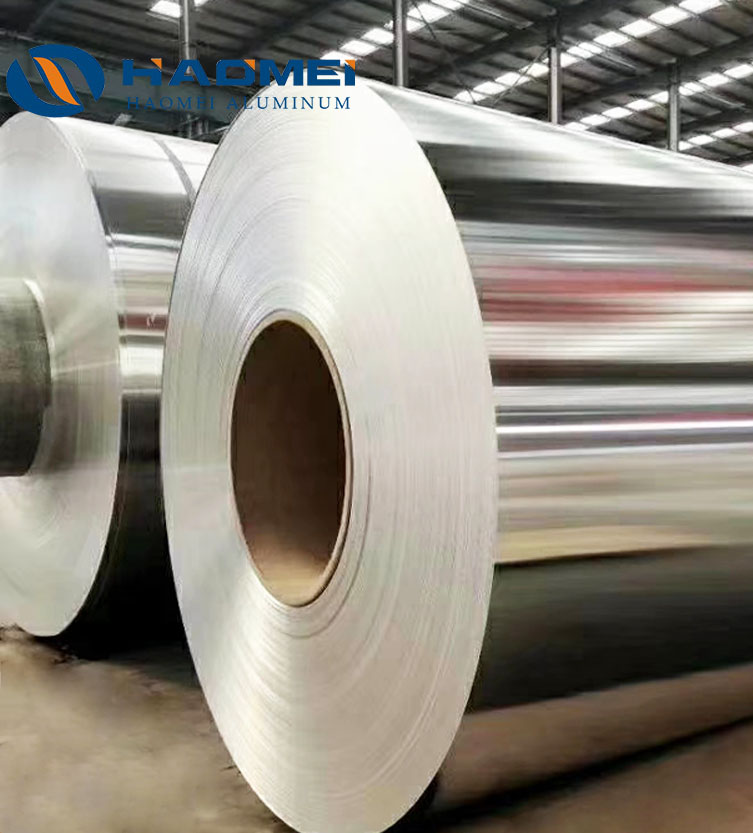
The Aluminum closure coil serves as the base material for bottle cap production, utilizing high-purity aluminum ingots combined with alloying elements. The quality of this base material directly determines the success rate of the subsequent cap-forming process. The preparation involves three core steps: melting and casting, precision rolling, and annealing/tempering.
Melting and casting constitute the initial stage of material formation. High-purity aluminum ingots are charged into a melting furnace and fully melted at a constant temperature of 690–765°C. Alloying elements—such as magnesium and silicon—are precisely proportioned to adjust the chemical composition according to the specific requirements of the intended application (e.g., caps for spirits, pharmaceuticals, or beverages).
Notably, material intended for spirits caps demands higher tensile toughness, requiring even finer control over alloy ratios. Following melting, the molten aluminum undergoes impurity and gas removal processes to eliminate internal contaminants and air bubbles. The purified melt is then processed via continuous casting-rolling or hot rolling to form aluminum slabs, laying the groundwork for subsequent rolling operations.
The core rolling process transforms the aluminum slabs into standard bottle-cap aluminum coils. Rough rolling is first employed to gradually reduce the slab thickness and refine the internal grain structure, thereby enhancing the material's overall toughness. This is followed by multiple stages of precision cold rolling and foil rolling to achieve the industry-standard thickness of 0.15–0.35 mm. The resulting coils feature uniform thickness and a dense, consistent microstructure, ensuring stable material performance.
After rolling, the material undergoes annealing and tempering to relieve internal stresses generated during the rolling process and to optimize hardness and tensile properties. This treatment effectively prevents issues such as cracking or deformation during the subsequent cap stamping and forming stages. For specialized categories such as medical bottle caps and high-end liquor closures, annealing temperatures and durations are specifically adjusted to meet the requirements of various forming processes, ultimately yielding aluminum coils that deliver high performance and excellent compatibility.
Aluminum coils undergo multiple precision processing stages to be transformed into standard aluminum sheets ready for direct use in bottle cap production; this is a critical phase determining the quality of the finished caps, comprising four main processing steps.
The first step involves tension leveling and surface pre-treatment. Specialized equipment is used to correct deformations—such as warping or waviness—incurred during rolling, ensuring uniform flatness across the entire coil. Simultaneously, professional degreasing and cleaning are performed to thoroughly remove oil, dust, and impurities from the sheet surface. This prevents quality issues such as coating delamination, printing defects, and corrosion or oxidation, thereby laying a solid foundation for subsequent surface treatments.
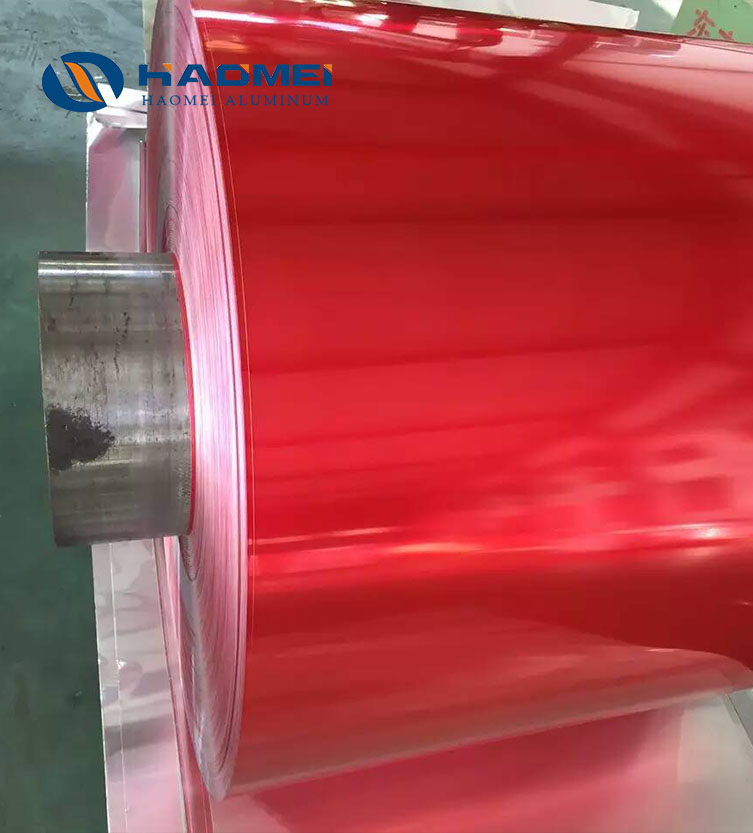
Next is the application of food-grade protective coatings—a core process distinguishing bottle-cap-grade aluminum from standard aluminum sheets. Using roller coating technology, specialized food-grade epoxy-phenolic or polyester coatings are applied evenly to one or both sides of the aluminum sheet.
Aluminum sheet for closures are then cured via constant-temperature drying to form a dense protective film. This coating isolates the aluminum from direct contact with beverages or pharmaceuticals, preventing chemical reactions and ensuring safety. It also significantly enhances the sheet's corrosion and wear resistance while providing a smooth substrate for subsequent printing.
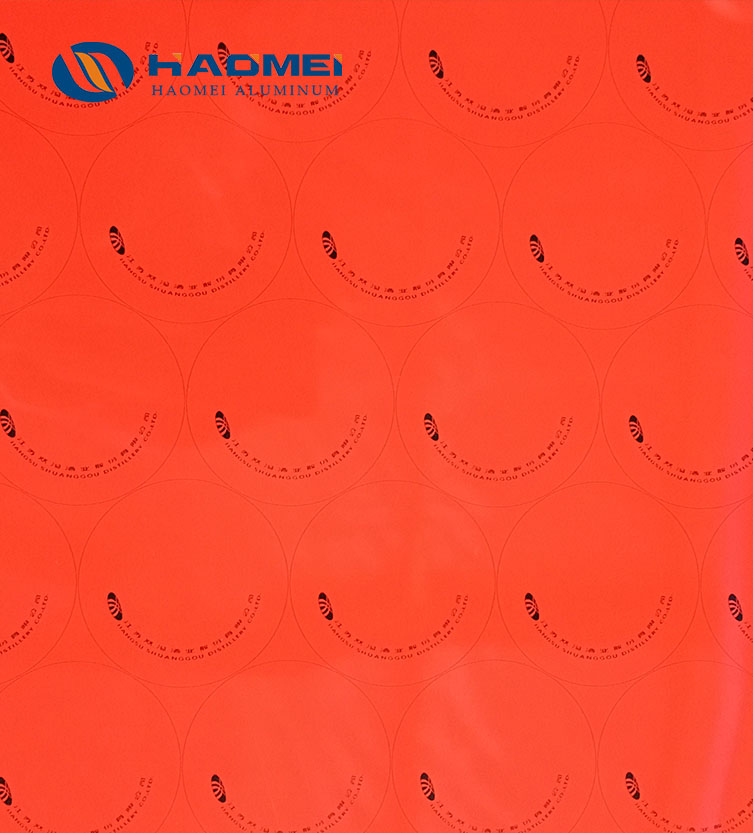
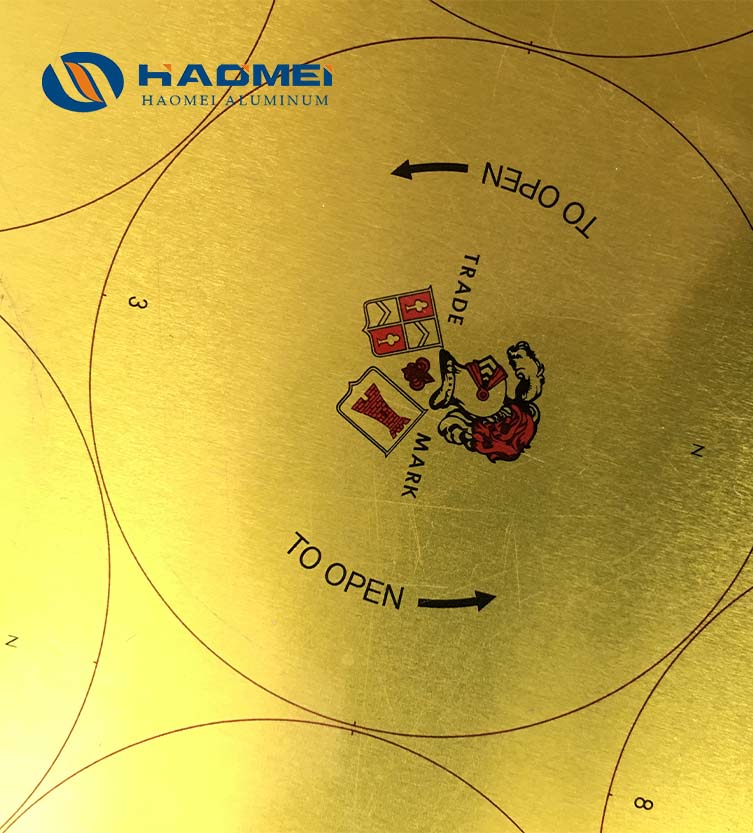
This is followed by color printing and lamination. Logos, text, anti-counterfeiting marks, and other patterns are printed with high precision onto the cured aluminum coil surface. Coil tension is precisely controlled throughout the process to ensure accurate pattern placement without misalignment or ghosting. After printing, a clear protective varnish may be applied to enhance the pattern's wear resistance and gloss, meeting the aesthetic and quality standards required for high-end packaging.
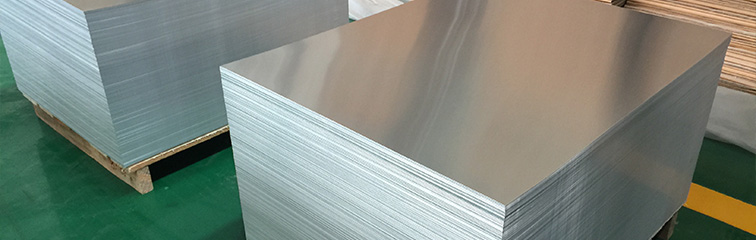
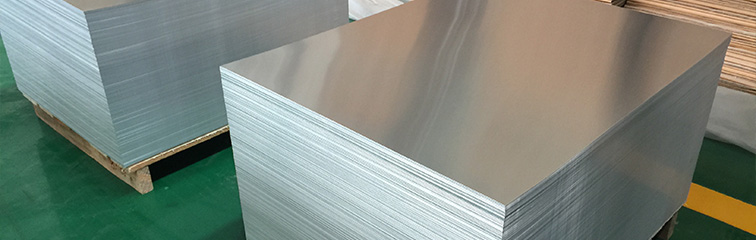
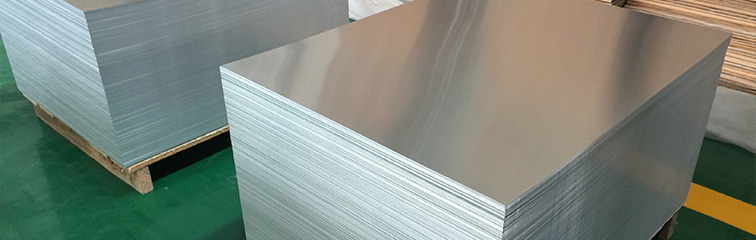
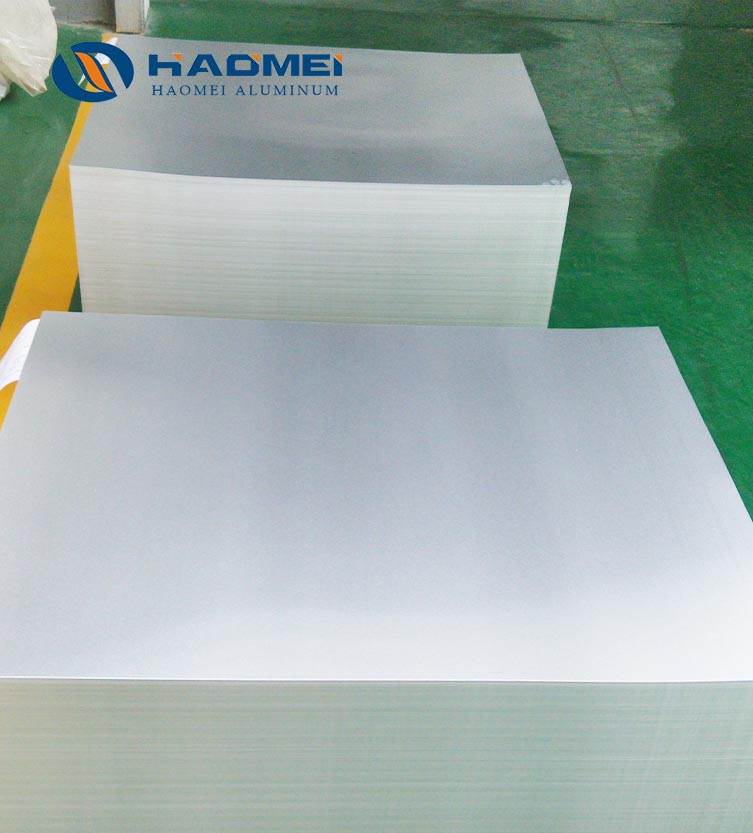
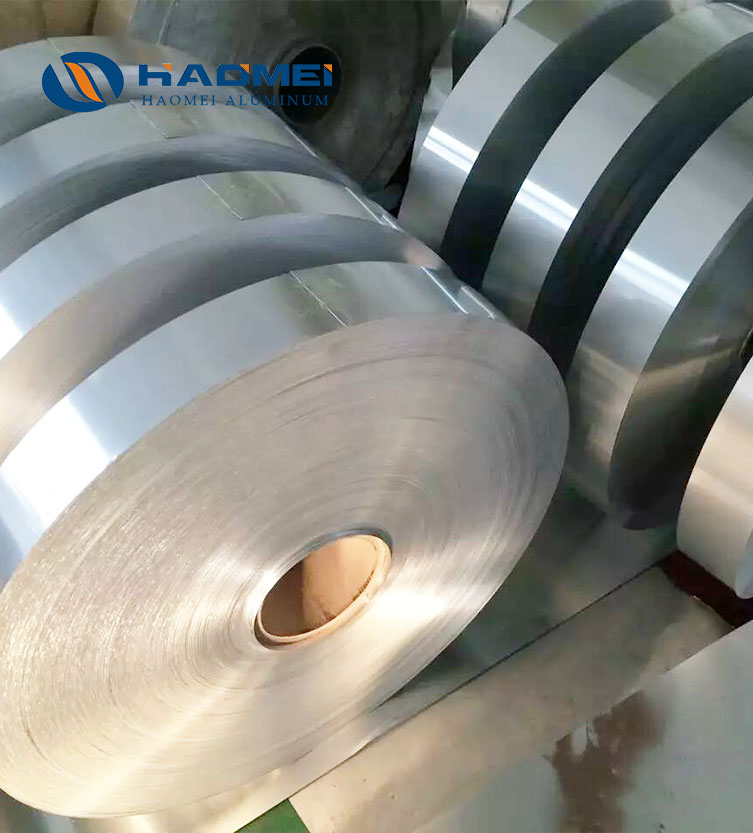
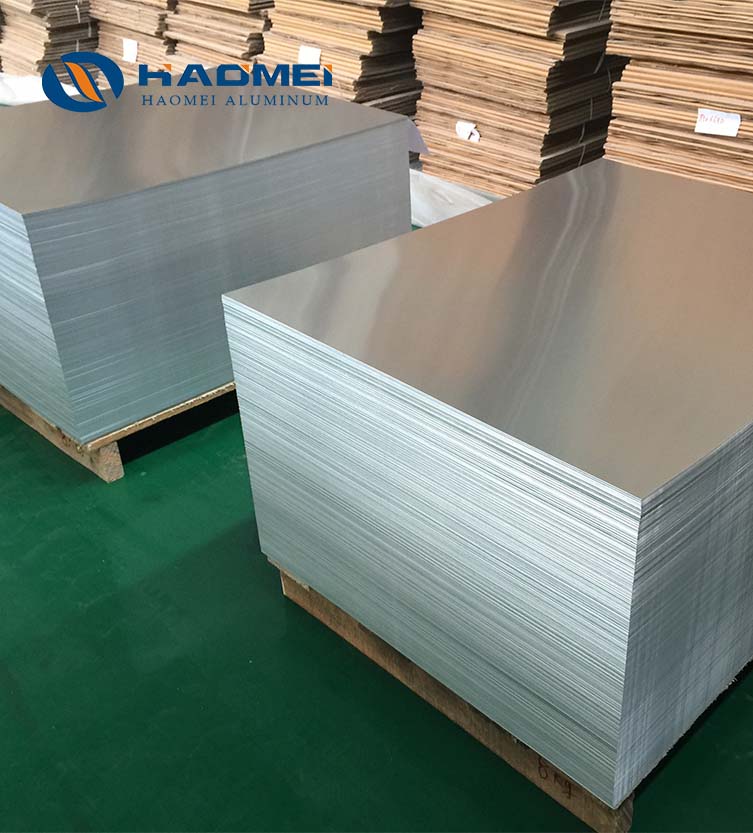
Finally, the material undergoes slitting and sheet cutting. The full aluminum coil is slit into standard narrow-width coils using slitting equipment, then flattened and cut into finished aluminum sheets of precise dimensions. The cutting process offers high precision, resulting in burr-free, undeformed edges that fully meet the processing requirements of automated bottle cap stamping equipment.
All processed aluminum sheets (intended for bottle caps) and finished aluminum coils undergo rigorous, comprehensive quality inspections. Personnel verify key parameters—such as sheet thickness, flatness, coating adhesion, tensile properties, and corrosion resistance—one by one, while meticulously checking for surface issues like scratches, color variations, and defects. Any substandard products are sent for rework to ensure no defective items enter the production stream.
Aluminum sheets that pass inspection undergo moisture- and dust-proofing treatments before being sorted, packaged, and warehoused; standard finished aluminum coils are sealed and wrapped, ready for direct supply to bottle cap manufacturing plants. The entire production process is tightly integrated with multi-layered quality controls. The resulting raw materials are perfectly suited for subsequent processing steps—including multiple stamping, forming, and anti-counterfeiting marking operations—yielding aluminum bottle caps that offer excellent sealing, structural integrity, safety, and durability, fully meeting the standards for various packaging applications.
Tags: bottle cap material |
Original Source: http://alclosuresheet.com/a/how-is-aluminum-closure-sheet-produced.html
Product
Printed Aluminum
Plain Aluminum
Aluminium Foil Sealing

Coated Aluminum Strip
Alloy
3105
5182
8011
1060
Application
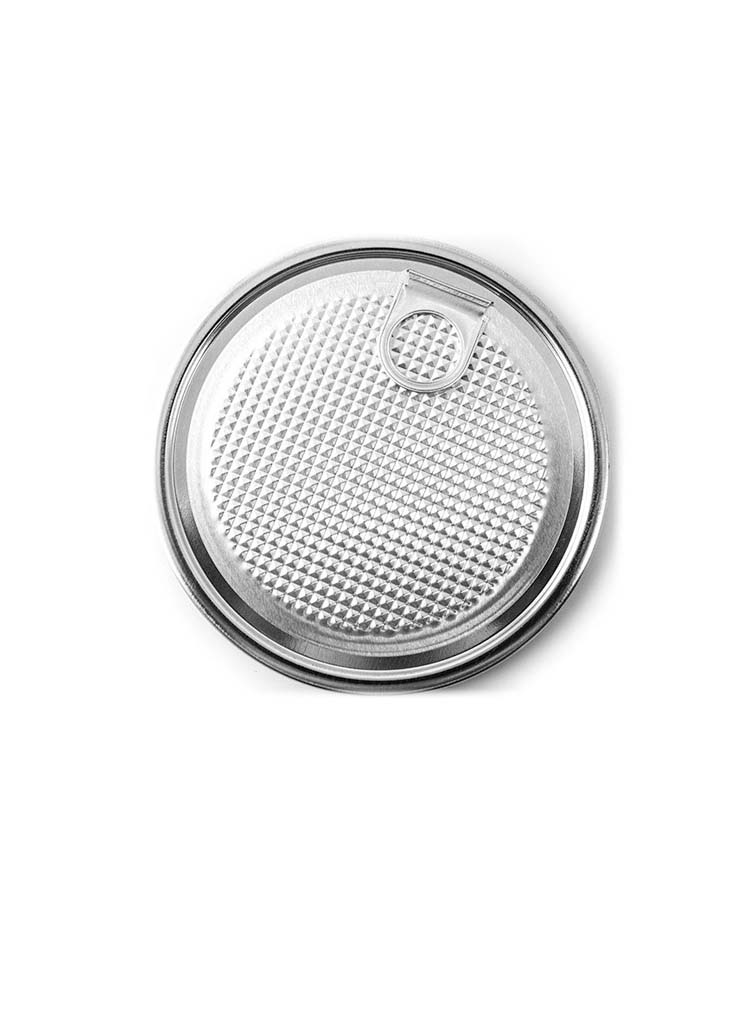
Easy-tear lid

Jar bottle cap

HDPE Bottle Sealing

Beer bottle cap

+86-15978414719


+86-15978414719


sale@alumhm.com