


2026-03-12
Earing (uneven cup rim height after deep drawing) is the fastest way a "good looking" coil becomes scrap on a cap press. For high speed closure lines, the top concern is usually stable anisotropy from coil to coil, because earing drives:
Extra trim loss and lower conversion yield.
Higher tool wear and unplanned press stops.
Cap skirt height variation that affects roll-on performance.
When specifying plain metal for caps, treat "earing control" as a measurable acceptance item, not a vague promise.

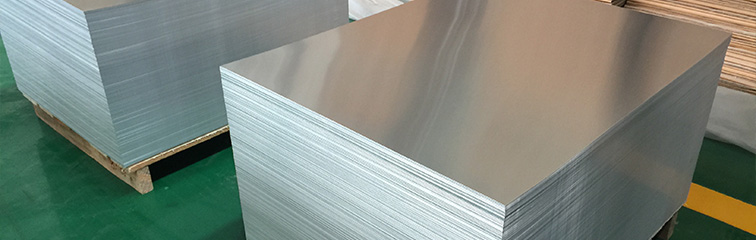
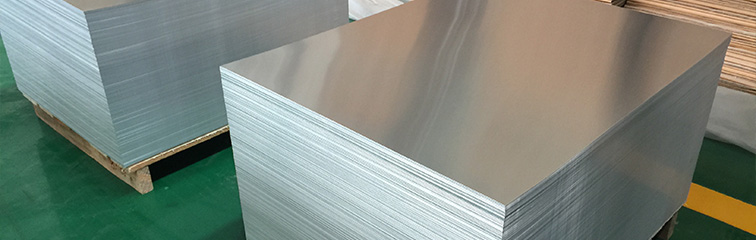
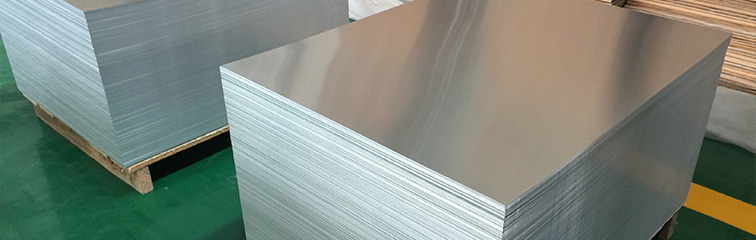
Plain stock is uncoated and unprinted aluminum sheet or coil that is later converted into closures or later coated/printed by the converter. It is commonly purchased as slit coil for high speed presses.
Where it fits in your supply:
If you run in-house printing or post-treatment, plain material gives flexibility.
If your cap design changes frequently, plain reduces inventory risk.
Use internal specs consistent with your cap forming route (ROPP, pilfer-proof, screw cap shells). If you are sourcing both uncoated and coated options, align base metal requirements first, then treat coatings as an additional layer.
Relevant product category reference: Plain Aluminum.
Earing is mainly influenced by crystallographic texture and thickness uniformity, both created across rolling and annealing.
Checklist: supplier process controls to ask for (request as part of QA pack):
Alloy and melt control
Confirm alloy family and chemistry limits per applicable aluminum sheet standards (see Section 5).
Verify recycled content policy if your application requires specific traceability.
Hot rolling and cold rolling
Ask for thickness profile capability across the coil width.
Confirm slit edge quality targets (burr height, camber limits) to avoid feeder issues.
Intermediate and final annealing
Request annealing route (batch vs continuous) and how they control recrystallization.
Require mechanical property reporting by coil position if your press is sensitive.
Surface and cleanliness
State oil type/amount and cleanliness requirements to avoid paint adhesion issues if you coat later.
Packaging and handling
Specify humidity control, VCI use, and anti-dent protection for long shipments.

Use a short, unambiguous purchase spec. Keep it to measurable fields.
| Item to specify | Why it matters for caps | What to request from supplier |
|---|---|---|
| Alloy (e.g., AA 1xxx/3xxx family) | Formability, strength, corrosion behavior | Chemistry certificate per standard; heat/lot traceability |
| Temper (often Hxx or O depending on forming route) | Controls drawability and springback | Tensile, yield, elongation, hardness |
| Thickness and tolerance | Weight per cap, draw stability | Gauge map or across-width profile data |
| Width, ID/OD, coil weight | Line fit, uptime | Slitting tolerance, camber, telescoping limits |
| Surface finish | Printing/coating readiness and friction | Roughness range (Ra) and lubricant details |
| Earing / anisotropy control | Scrap rate and trim loss | Cup test method, target ear % and max limit |
Comparison: plain vs painted vs printed base metal
| Option | Best use | Main risks to manage |
|---|---|---|
| Plain sheet/coil | Flexible downstream finishing; stable base qualification | Surface cleanliness, storage stain, later coating compatibility |
| Painted | Faster time to market; consistent appearance | Coating defect claims; tighter handling requirements |
| Printed | Branding ready | Registration tolerances; higher inventory exposure |
Ask your supplier which standard the coil conforms to, and require certificates.
Commonly referenced, verifiable frameworks (select based on your region and customer requirements):
EN 573 (chemical composition for aluminum alloys) and EN 485 (sheet/strip properties) are widely used in Europe for wrought aluminum products.
ASTM B209 is commonly used for aluminum and aluminum alloy sheet and plate in many global contracts.
For food and beverage closures, compliance is also driven by the finished cap system (including liners and inks). For base metal, typical verifiable items include:
Material identification and traceability (heat/coil numbers).
Heavy metal restrictions and impurity limits as stated in the chosen material standard.
Supplier quality system evidence (e.g., ISO 9001 certificate) if required by your customers.
If your caps are sold into regulated food-contact markets, align early on which parts of the system require declarations (metal, coatings, inks, liners) and keep documentation synchronized across the supply chain.
Aluminum cap stock pricing usually follows a transparent structure:
Primary aluminum reference: Many contracts index to an exchange-traded benchmark such as LME aluminum (publicly observable).
Premiums: Regional delivery premiums can vary by location and logistics.
Conversion: Rolling, annealing, slitting, QC, and packaging; this is where capability differences show up.
Yield impacts: Your real cost per 1,000 caps depends heavily on press yield (earing/trim loss and downtime).
Practical step: track "metal per cap" and "scrap per shift" alongside coil certificates. Often, a slightly higher conversion charge pays back quickly if it reduces earing and stoppages.
Closure stock availability can tighten quickly when demand rises across beverages, personal care, and pharma packaging.
Operational steps that reduce disruption:
Qualify at least two rolling/slitting sources for the same spec.
Lock critical parameters (temper, anisotropy targets, slit quality) so alternates are interchangeable.
Use call-off contracts with defined lead times and coil weight ranges.
Audit packaging and transit protection to reduce dent and edge damage claims.
If you are using coated variants alongside uncoated, keep the base metal consistent to simplify tooling settings and press stability.
For the category term used in many RFQs, reference aluminum closure sheet requirements in your purchase spec, then add application-specific earing limits and cleanliness criteria.
Tags: plain aluminum sheet | aluminum closure sheet |
Original Source: http://alclosuresheet.com/a/plain-aluminum-sheet.html

+86-15978414719


+86-15978414719


sale@alumhm.com