

2026-03-18
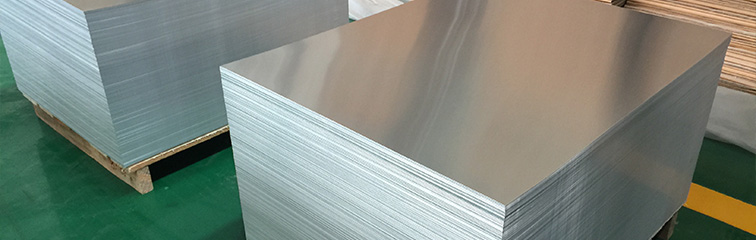
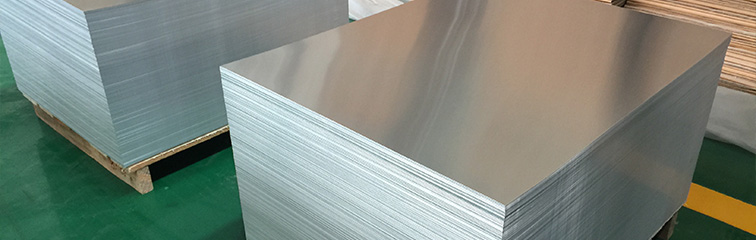
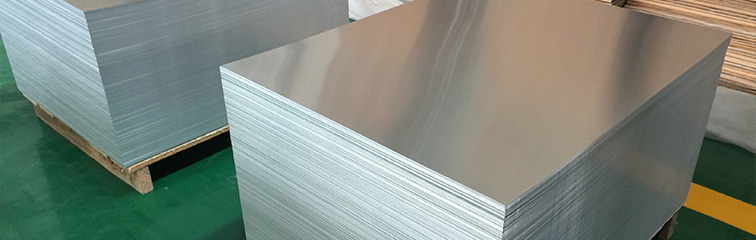
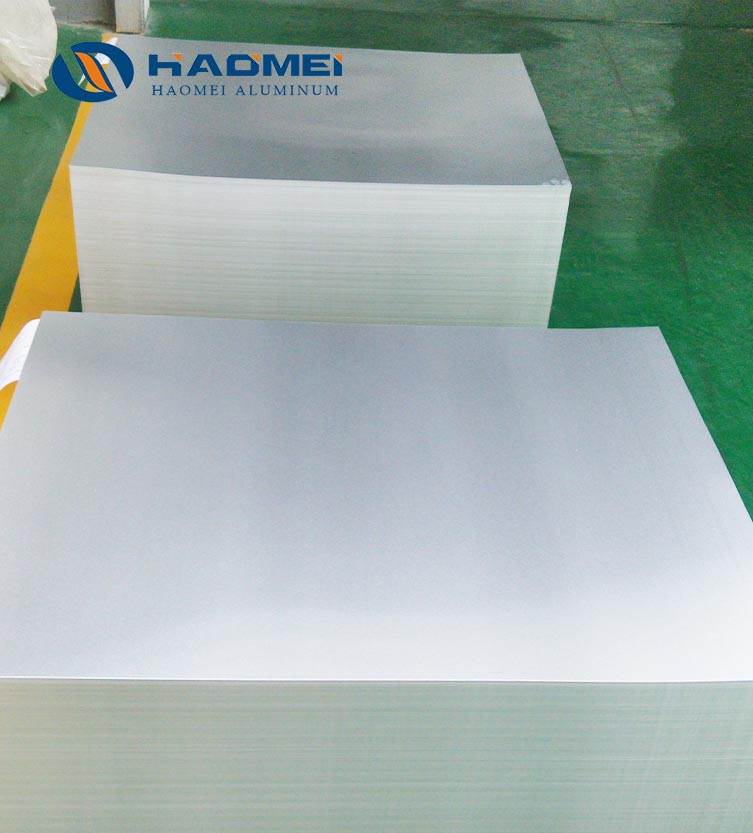
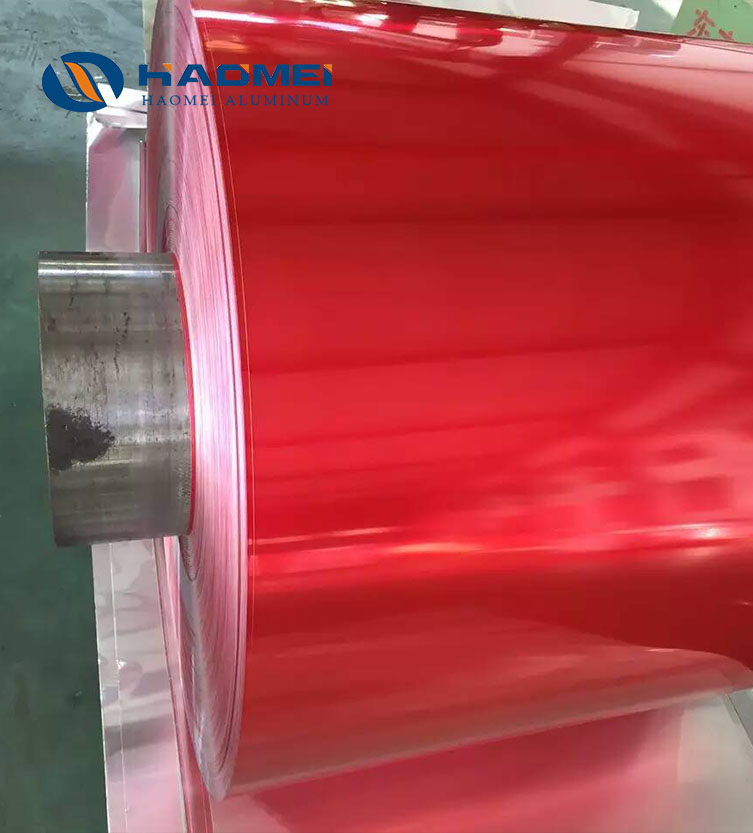
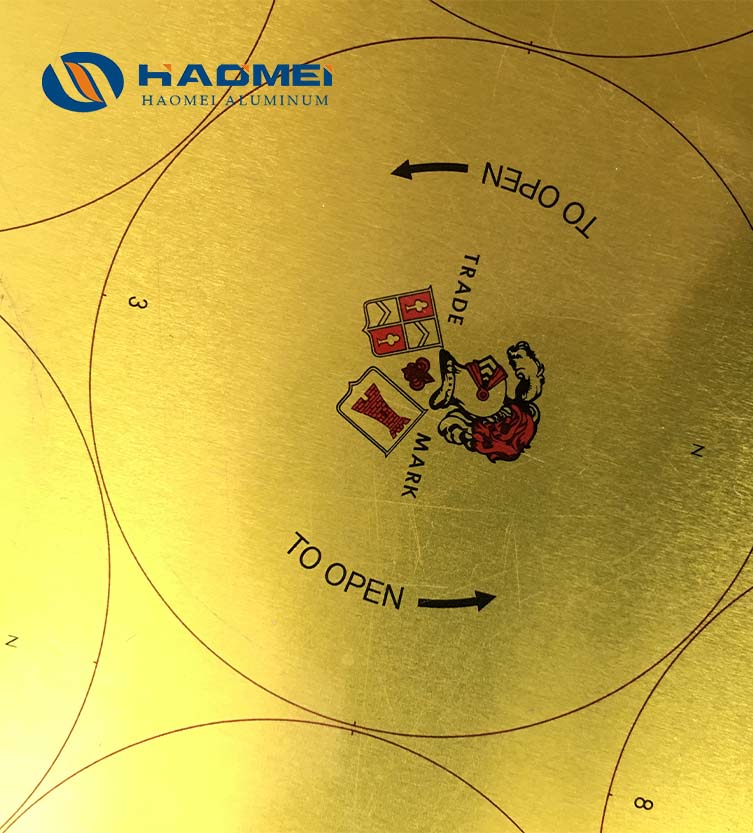
In the food, beverage, and health product packaging sectors, the safety and practicality of bottle caps directly impact product quality and consumer health. With increasing environmental and safety awareness, BPA-free DOS-coated aluminum sheets have become the preferred substrate for bottle caps due to their non-toxic, environmentally friendly, easy-to-process, and excellent sealing properties.

Different bottle cap structures and uses have drastically different requirements for aluminum sheet thickness, making this the primary basis for thickness selection. The thickness ranges corresponding to the mainstream bottle cap types currently on the market, based on industry standards and practical application data, are summarized as follows:
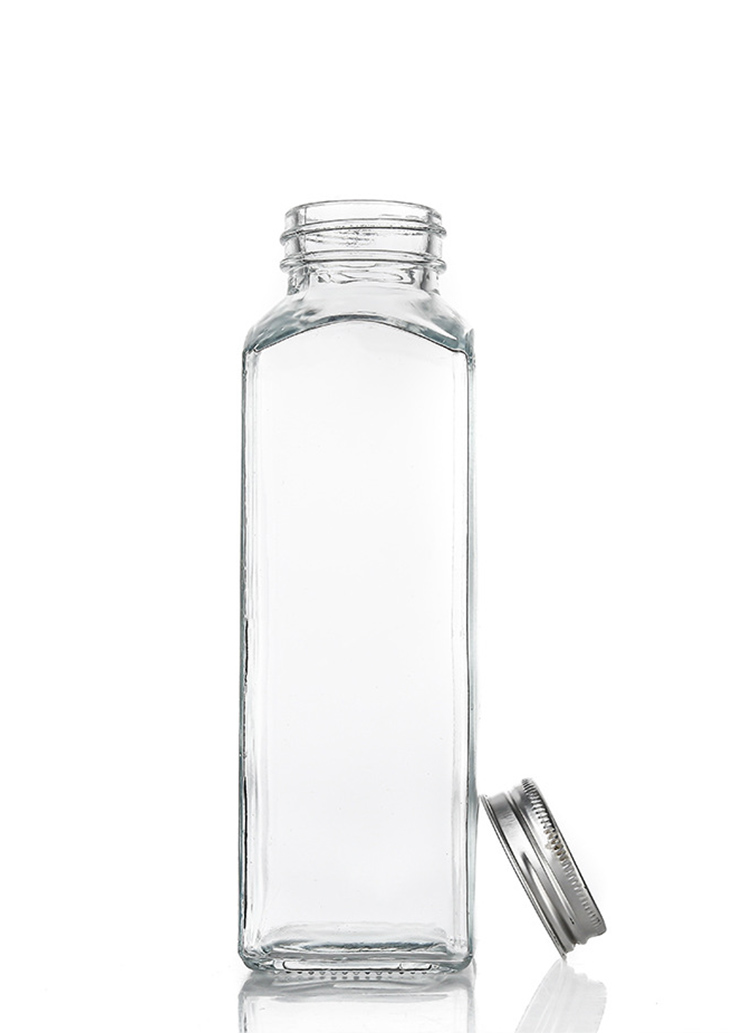
— Ordinary beverage bottle caps (such as mineral water and juice bottle caps): These caps have a simple structure, do not require excessive pressure, and prioritize lightweight and easy opening. The commonly used thickness range is 0.18-0.22mm. For example, aluminum cap stock 0.20 mm can meet stamping requirements while controlling costs, and simultaneously ensuring the basic rigidity of the bottle cap to prevent deformation during transportation.
— Carbonated Beverage Bottle Caps: Carbonated beverages contain a certain amount of gas pressure, requiring caps with better sealing and pressure resistance. Therefore, the thickness needs to be appropriately increased, typically choosing 0.22-0.25mm.
Too thin an aluminum sheet is prone to deformation and leakage under pressure, while too thick a sheet increases the difficulty of opening. This thickness range perfectly balances pressure resistance and ease of opening, while also being compatible with the mechanical properties of commonly used alloys such as 5052 and 8011 aluminium cap stock.
— Health Product and Alcohol Bottle Caps (e.g., ROPP caps, crown caps): These caps have higher requirements for sealing and tamper resistance, and some require complex stamping and folding processes. The thickness needs to be controlled between 0.25-0.30mm. Aluminum sheets of this thickness have sufficient rigidity to withstand the external forces during complex processing, while ensuring a tight fit between the cap and the bottle body to prevent leakage and moisture. This thickness is suitable for alloys such as 3105, which are suitable for deep drawing.
One of the core advantages of BPA-free DOS-coated aluminum sheets is their ease of stamping. Thickness directly affects the feasibility of the stamping process and the yield rate. The ductility of the aluminum sheet is inversely proportional to its thickness. The thicker the sheet, the greater the external force required during stamping, and the more prone it is to problems such as cracking, uneven edges, and excessive ear production. Conversely, if the sheet is too thin, deformation and wrinkling may occur during stamping, making it impossible to form a complete bottle cap structure.
Based on industry experience, the thickness of DOS-coated aluminum sheets used for bottle caps should not exceed 0.35mm, otherwise it will significantly increase the stamping difficulty and equipment wear; it should also not be less than 0.15mm to avoid insufficient strength after forming.
At the same time, thickness accuracy must be strictly controlled. It is recommended to control the thickness tolerance within ±0.005mm, which can effectively improve stamping consistency and reduce the scrap rate. This is also a key requirement emphasized in the revision of industry standards. Furthermore, the lubricating effect of the DOS coating can help improve the stamping effect and reduce the processing risks caused by choosing too thin or too thick a thickness.
While meeting usage requirements, the choice of aluminum thickness directly impacts production costs and environmental benefits. For every 0.01mm increase in aluminum sheet thickness, the material cost per unit area rises, leading to a significant cost increase in long-term, large-scale production.
Conversely, choosing a thinner thickness within a reasonable range reduces material costs and aluminum consumption, aligning with aluminum's recyclability and environmental sustainability—aluminum has a recycling rate of over 95%. The use of thinner aluminum sheets further reduces the environmental impact throughout its entire lifecycle.
However, it's crucial to avoid blindly reducing thickness to save costs. Doing so can result in insufficient cap strength and poor sealing, increasing rework costs and product complaint rates—a counterproductive outcome. It is recommended that when selecting a thickness, the most suitable one should be chosen based on meeting core usage requirements, rather than simply pursuing the "thinnest" or "thickest" option.
1. Don't blindly pursue "thickness": Many people believe that the thicker the cap, the more durable it is. However, excessive thickness not only increases costs but also leads to difficulty in opening, a higher stamping scrap rate, and even affects the fit between the cap and the bottle body. For example, if a 0.30mm thick cap is used for a regular mineral water bottle, not only will the cost increase, but consumers will also find it very difficult to open, affecting the user experience.
2. Consider the compatibility between the DOS coating and the substrate: For BPA-free DOS-coated aluminum sheets, the coating thickness is typically 0.005-0.01mm. When selecting a DOS-coated aluminum sheet, the impact of the coating on the overall thickness does not need to be considered. However, it is essential to ensure that the coating is uniform and tightly bonded to the aluminum substrate. Uneven coating can cause problems such as mold jamming and poor forming during stamping. It is also necessary to confirm that the coating meets food-grade standards and is free of harmful substances such as BPA.
Original Source: http://alclosuresheet.com/a/thickness-of-bpa-free-lacquered-aluminum-sheet-for-caps.html
Product
Plain Aluminum
Alloy
3105
8011
Application
Beverage cap
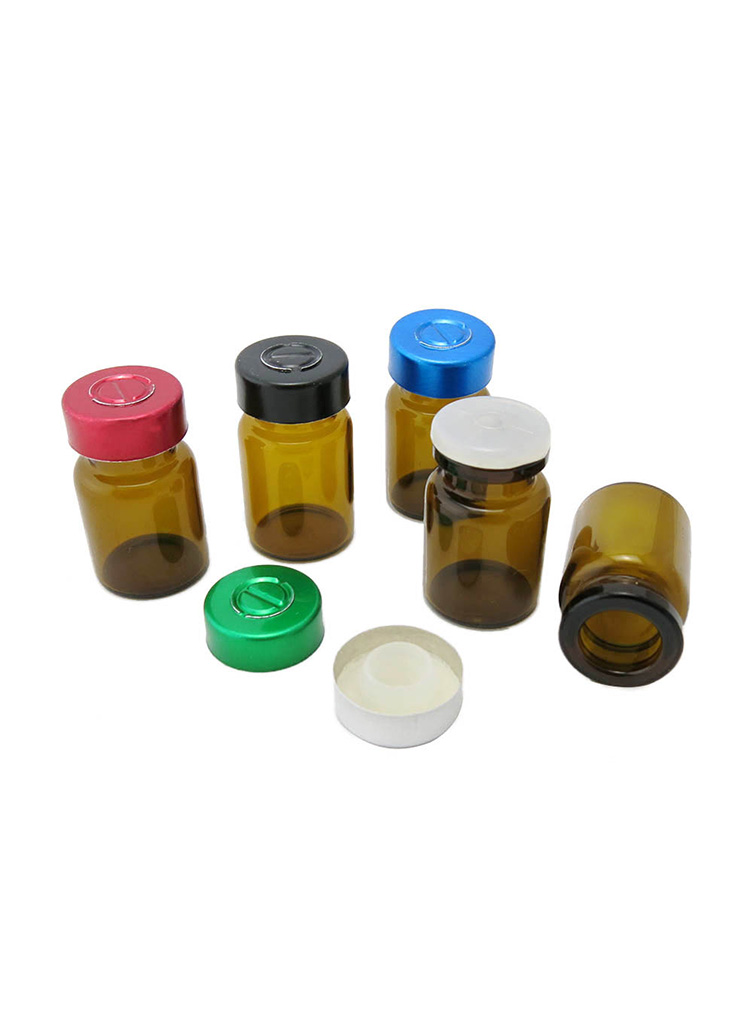
Medical bottle cap

Beer bottle cap
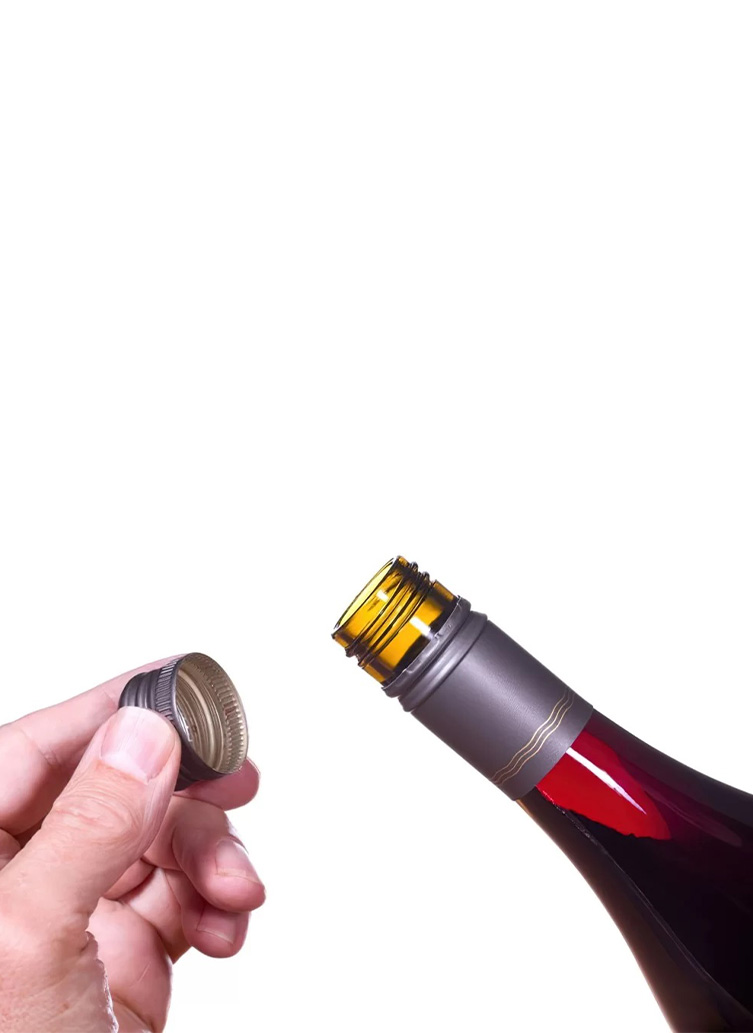
Red wine cap

+86-15978414719


+86-15978414719


sale@alumhm.com