

2026-02-11
In the carbonated beverage packaging industry, screw caps are not only the "first line of defense" for sealing and preserving freshness, but also a direct reflection of the brand's aesthetics. Aluminum, with its lightweight, easy recyclability, and excellent barrier properties, has become the preferred material for carbonated beverage screw caps.
CSD covers mainstream carbonated beverages such as cola and soft drinks. Its core characteristics are high filling pressure (typically 0.2-0.3 MPa), large production volumes, and fast capping speeds. Furthermore, it is mostly stored at room temperature and transported over long distances. This dictates that CSD bottle cap material must prioritize "forming stability" while also considering coating adhesion and corrosion resistance.
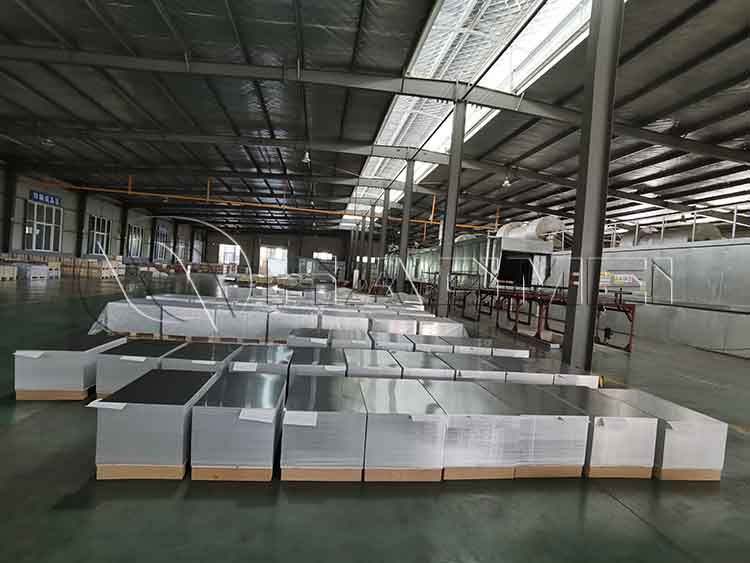
From an alloy composition perspective, CSD bottle cap materials primarily utilize 5000 series Al-Mg alloys (such as grade 5182). These alloys, thanks to the solid solution strengthening effect of their high magnesium content, ensure sufficient strength (yield strength controlled at 300-340 MPa, tensile strength 370-420 MPa) to withstand the instantaneous pressure during capping, while retaining good plasticity (elongation after fracture ≥5%), making them suitable for high-speed stamping and spinning processes and preventing problems such as necking and cracking.
Simultaneously, the addition of a small amount of Mn to form the MnAl6 phase refines the grain size, improves processing stability, and inhibits recrystallization, ensuring the performance consistency of each batch of aluminum material in mass production, meeting CSD's daily production demands of millions of units.
In terms of formability optimization, CSD bottle cap material requires control of key processing indicators: strain hardening index (n value) ≥ 0.22, plastic strain ratio (r value) ≥ 1.3, and ear-forming rate ≤ 2%. A higher n value indicates stronger resistance to necking of the aluminum material, making it less prone to localized thinning during stamping; a higher r value indicates better planar deformation capability, ensuring dimensional accuracy of the screw cap sealing edge; a lower ear-forming rate reduces material waste and lowers trimming costs.
Furthermore, aluminum thickness control is crucial, typically using a thin specification of 0.20-0.25mm to reduce weight and cost, minimize stress concentration during forming, and further improve the forming yield.
Regarding coating adhesion, CSD bottle cap material emphasizes "abrasion resistance and moisture resistance." Because CSD bottles are mostly transported at room temperature, they experience frequent friction and impacts, and the bottles are prone to condensation. Therefore, the aluminum surface requires a special chemical conversion treatment (such as chromating or chromium-free passivation) to form a dense oxide film (5-10nm thick). This enhances the adhesion between the coating and the aluminum, and also protects against corrosion from moisture and carbonated media.
Simultaneously, a specialized coating, such as epoxy polyurethane resin, is used, employing a "form-then-coat" process to prevent coating deformation and peeling during stamping. This ensures that the printed design remains clear and intact even after long-term storage and friction, meeting the visual communication needs of the CSD brand.
The core difference between soda water and CSD bottle cap materials lies in the lower filling pressure (approximately 0.15-0.25 MPa), milder taste, and a focus on a "high-end, healthy" positioning. Soda water often uses transparent bottles with intricate printing, and some products are refrigerated. This dictates that the soda bottle cap aluminum material prioritize coating adhesion and aesthetic texture while also considering formability and suitability for fine screw-on capping processes.
The alloy selection for soda water bottle cap materials is more flexible. Besides grade 5182, 3015 aluminum alloy can also be used. These alloys offer better ductility, making it easier to fit fine textures during molding, suitable for the common "thin edges and irregular shapes" of soda water screw caps, and better complementing transparent bottles to enhance the overall product aesthetics.
Compared to CSD bottle cap materials, the strength requirements for soda water bottle cap materials can be appropriately reduced, focusing on optimizing ductility and surface smoothness to avoid scratches and dents after molding, which would affect the final appearance after coating.
Coating adhesion is the core competitive advantage of soda water bottle cap material. Due to its high-end positioning, the printed patterns are more intricate and the colors richer. Furthermore, some products require refrigerated storage, where temperature fluctuations can cause asynchronous expansion and contraction between the aluminum and coating, leading to peeling and discoloration.
Therefore, the surface treatment of the soda water bottle cap material is more refined: a dual process of "sandblasting + passivation" is employed. Sandblasting first increases the surface roughness of the aluminum, expanding the coating's contact area. Then, chromium-free passivation forms a stable surface film, enhancing the adhesion between the coating and the aluminum. The coating uses a low-temperature resistant, flexible acrylic epoxy amino resin, employing a composite process of "spraying-aluminizing-re-spraying." This ensures both the fineness of the printed patterns and resistance to the temperature shocks of refrigeration, preventing coating cracking and peeling.
Furthermore, the screw-on speed of soda water bottle caps is relatively slow, requiring a lower forming speed than CSD, but demanding higher forming precision. It must ensure a tight fit with the bottle body after screwing on, without leakage or looseness, while maintaining smooth edges to avoid scratching consumers' hands. This necessitates stricter processing tolerance control for soda water bottle cap materials, ensuring a surface free of impurities and oxide spots, laying the foundation for subsequent coating and screw-on processess.
Whether using CSD or soda water bottle cap materials, achieving a balance between formability and coating adhesion relies on three key optimizations, which are also the mainstream technical directions in the industry.
First, precise control of alloy composition. By adjusting the content of elements such as Mg and Mn, the strength and plasticity of the aluminum material are balanced, avoiding a trade-off. Simultaneously, strict control of impurity content reduces the formation of hard and brittle phases such as Fe and Si, preventing cracking during forming. This is the core reason why grades like 5182 and 8011 have become mainstream choices.
Second, upgraded surface treatment processes. Abandoning traditional, crude surface treatments, environmentally friendly and efficient processes such as chromium-free passivation and sandblasting are employed. This aligns with the trend of green packaging development and significantly improves coating adhesion. Simultaneously, the thickness of the surface oxide film is controlled to ensure it enhances bonding strength without affecting plasticity during molding.
Third, the coating system is customized and matched. Based on the different requirements of CSD and soda water, corresponding coating materials and processes are selected: CSD emphasizes abrasion and moisture resistance, so a high-hardness epoxy coating is chosen; soda water emphasizes aesthetics and low-temperature resistance, so a flexible composite coating is selected. The drying process is optimized (temperature controlled at 170-200℃) to ensure perfect adhesion between the coating and the aluminum material, balancing formability and appearance.
Tags: bottle cap material |
Original Source: http://alclosuresheet.com/a/aluminum-materials-for-carbonated-beverage-screw-caps.html
Product
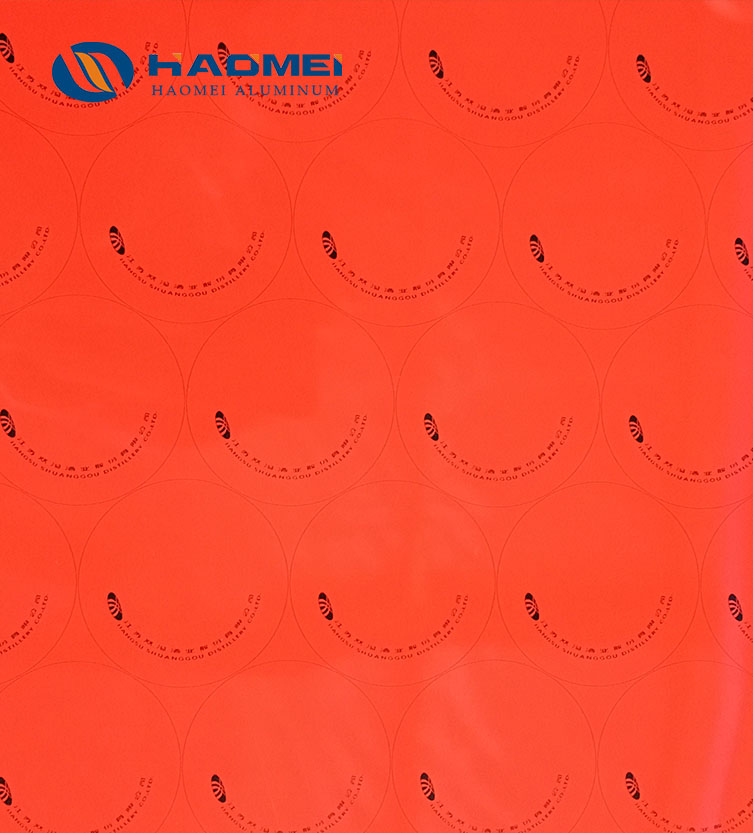
Printed Aluminum
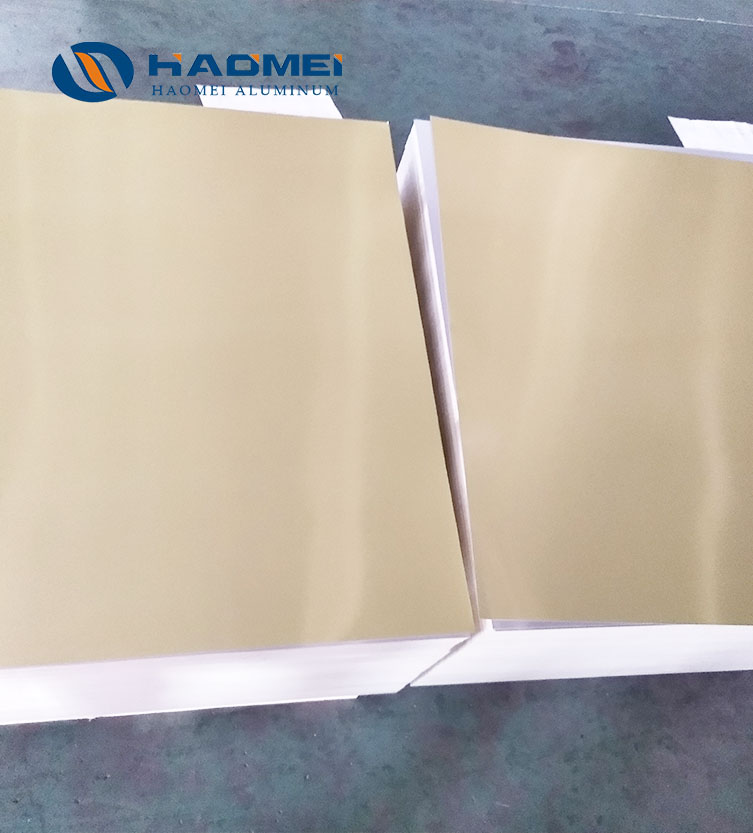
Painted aluminum
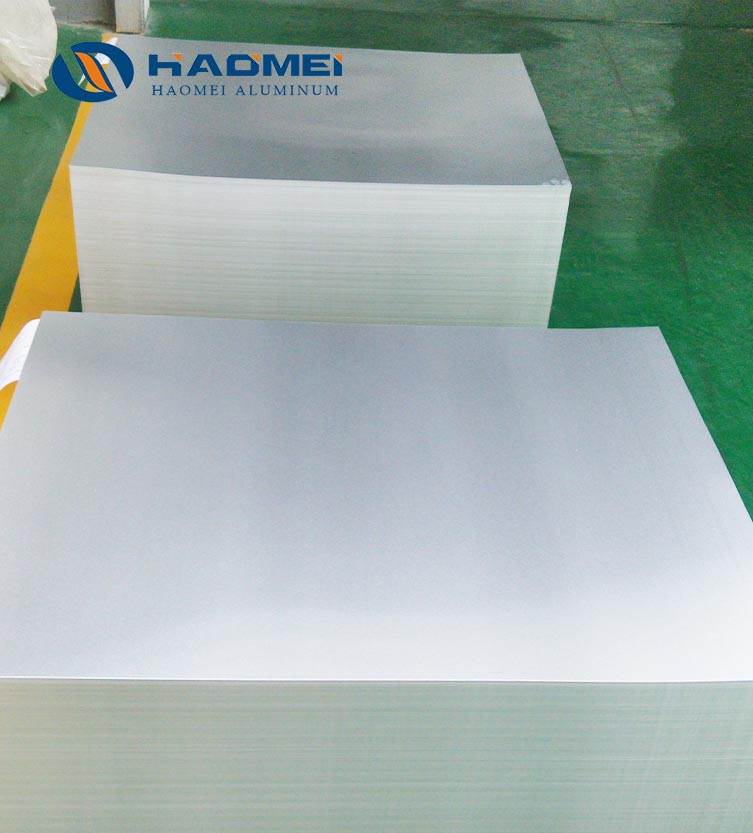
Plain Aluminum

Coated Aluminum Strip
Alloy
5052
3105
8011
5182
Application
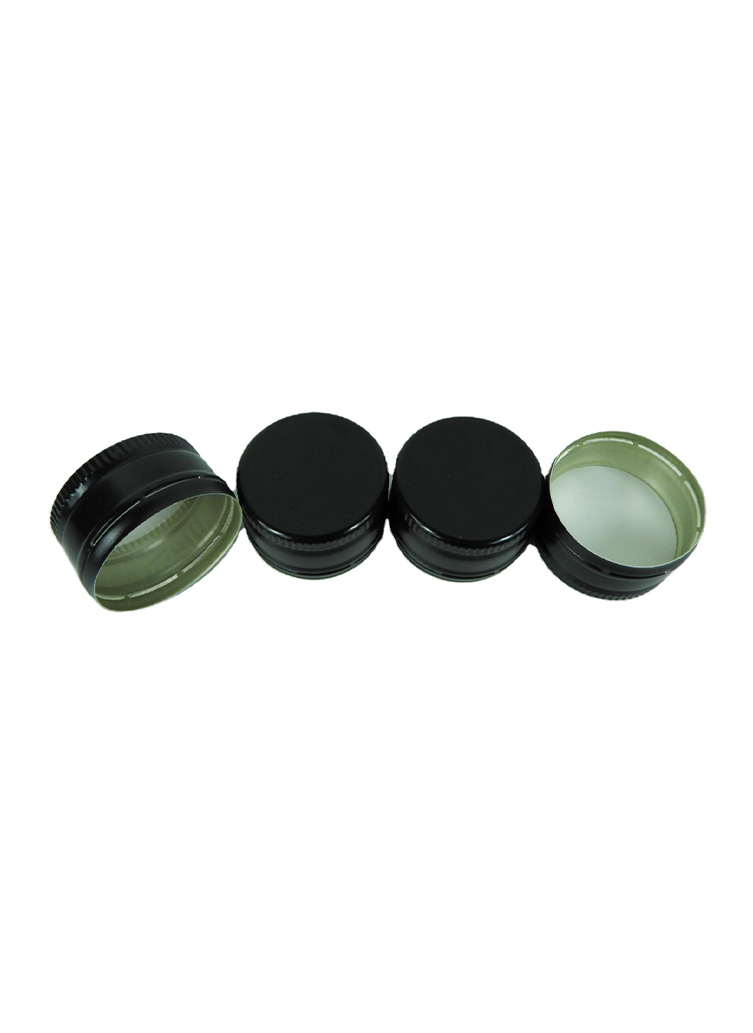
Carbonated beverage cap

+86-15978414719


+86-15978414719


sale@alumhm.com