

2026-01-06
Europe has extremely stringent regulatory systems for food contact materials. Aluminum bottle cap material, coming into direct or indirect contact with food, must meet a series of stringent requirements, including safety, processability, corrosion resistance, and sustainability. So, which aluminum sheets and alloys are popular in the European packaging market?
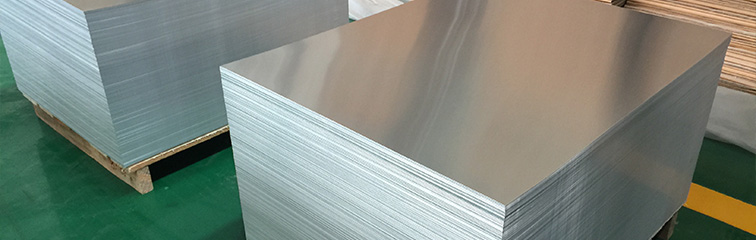
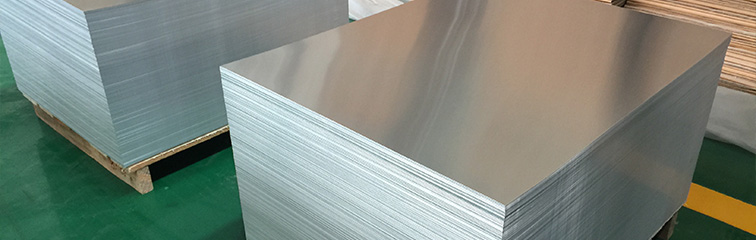
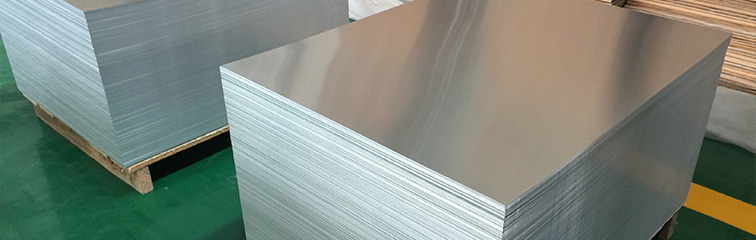
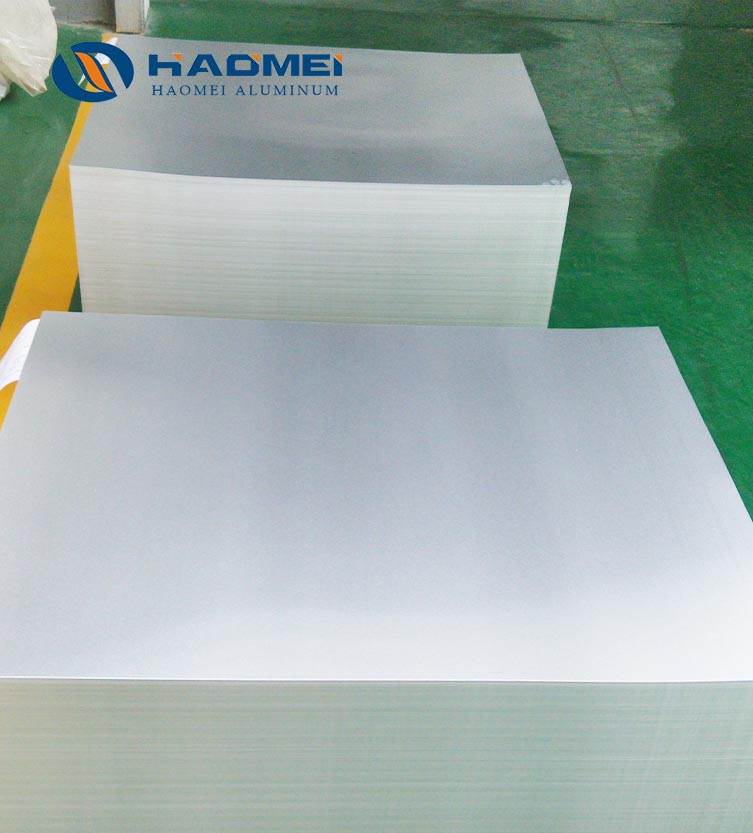
The DOS lubricated aluminum sheet, with its natural metallic luster, presents a simple and textured visual effect, primarily used in categories emphasizing tradition and quality, such as high-end wines and olive oils. This type of material requires no additional coating or printing, reducing production energy consumption and the use of chemicals, aligning with the trend of "minimalist and environmentally friendly."
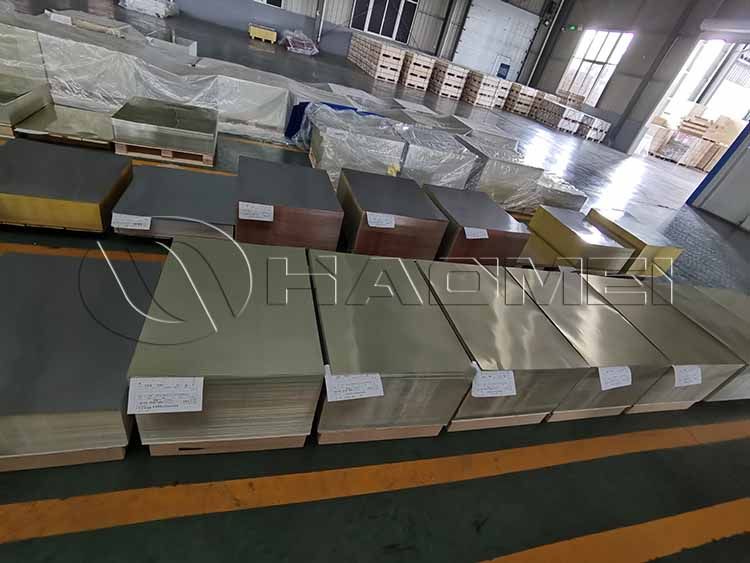
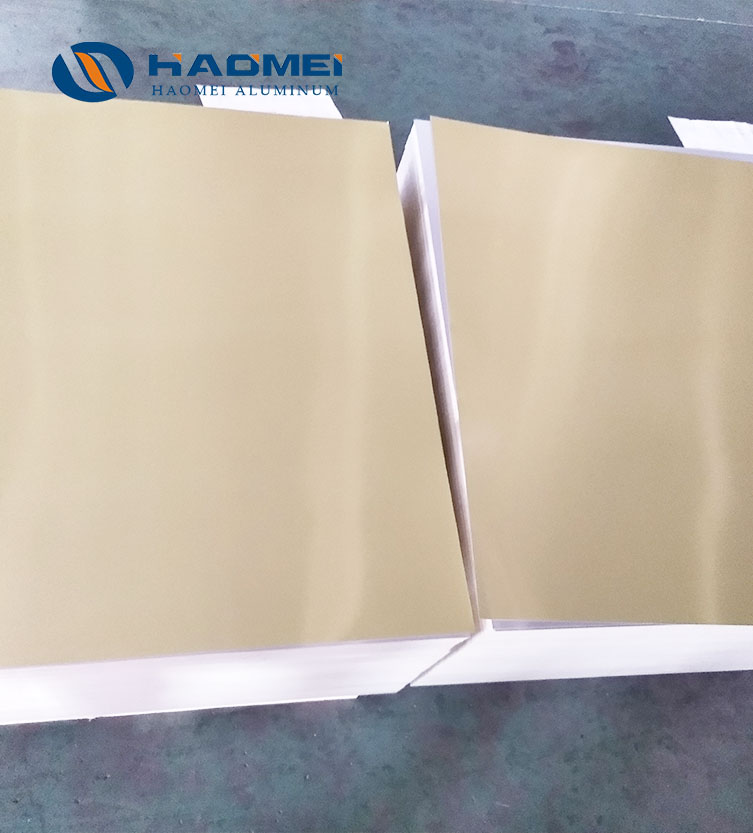
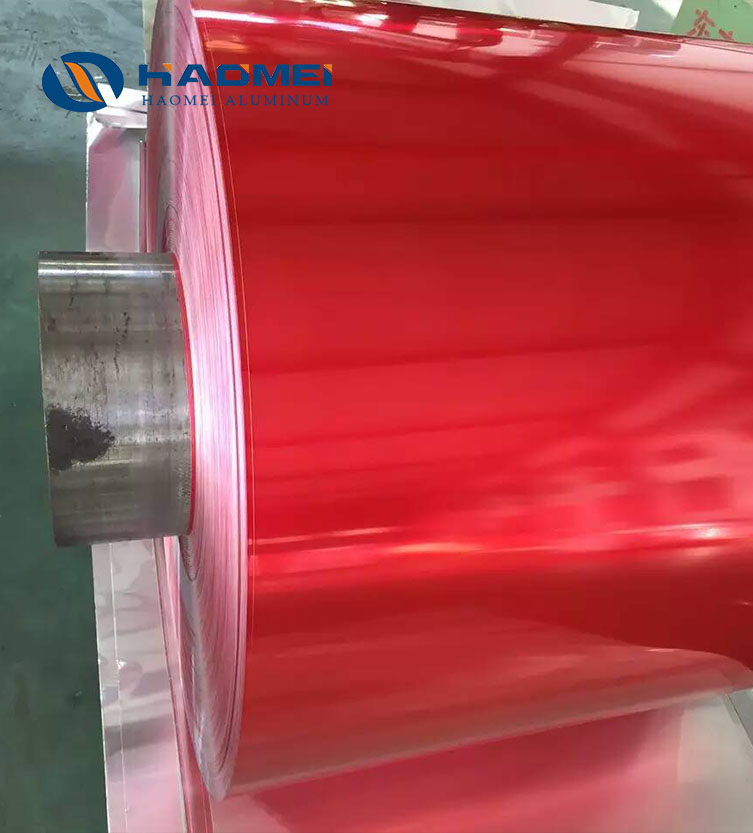
Color coating (lacquered) is one of the most widely used surface treatment methods in the European market. By coating the aluminum foil surface with epoxy or vinyl-based coatings (colorless or colored options are available), both the material's corrosion resistance and coating adhesion are improved, and brand differentiation is achieved through vibrant colors.
The advantages of painted aluminum sheet lie in their uniform color, abrasion resistance, and good temperature resistance. They can withstand dry heating at 240℃ and boiling water tests for 15 minutes, and even meet the sterilization requirements of some pharmaceutical-grade bottle caps.
For example, fast-moving consumer goods (FMCG) products such as juices and carbonated beverages often use color-coated aluminum bottle caps in their brand's signature colors. This enhances brand recognition and, through the coating, prevents direct contact between the beverage and the aluminum substrate, ensuring product safety.
Furthermore, BPA-free coatings have become the mainstream choice for color-coated materials, further meeting the market's high demands for food safety.
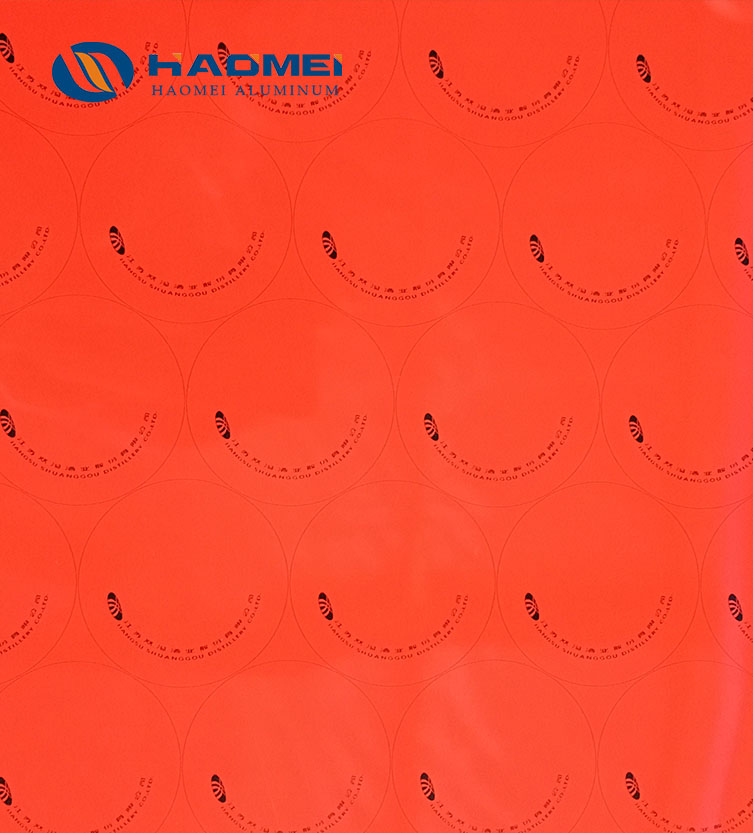
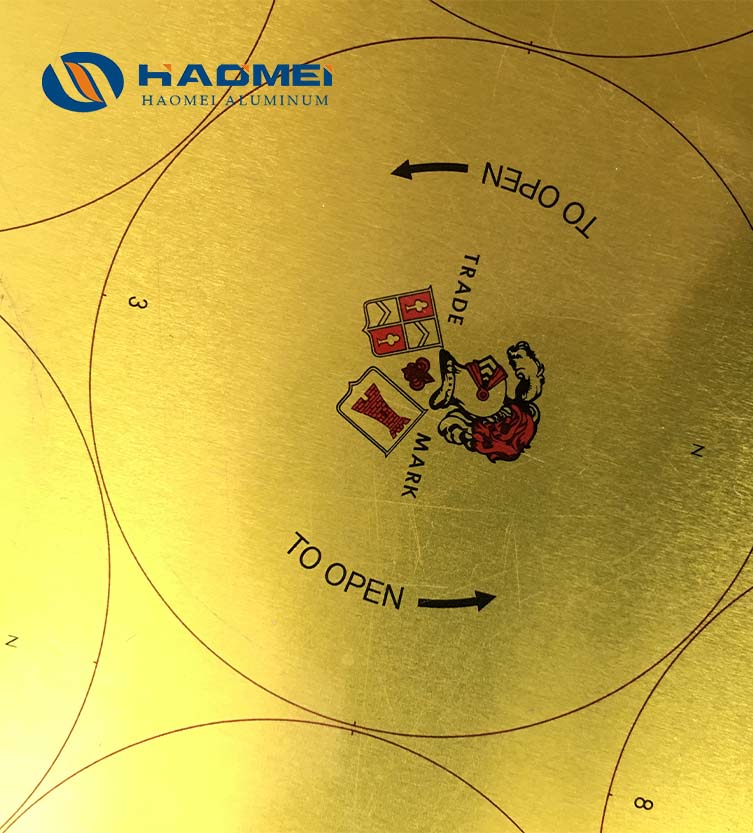
Printed aluminum achieves richer brand expression by printing patterns, text, QR codes, and other information on the surface. It is especially suitable for products that emphasize youthfulness and individuality, such as craft beer, fruit-flavored beverages, and limited-edition products.
Color printing technology can achieve multi-color overprinting, restoring delicate pattern details. It can also be combined with digital elements such as QR codes to provide consumers with value-added services such as product traceability and brand interaction. The European market demands not only clear images and colorfastness for color printing, but also that the printing inks meet food contact safety standards and do not affect material recyclability.
It's important to note that color printing is a relatively complex process, costing more than glossy or ordinary color coating, making it more suitable for mid-to-high-end products or those requiring differentiated marketing.
8011 aluminum alloy is the mainstream choice for aluminum bottle caps in the European food and beverage industry. This grade is aluminum-based, with iron and silicon as the main alloying elements, and extremely low impurity content, fully meeting the safety requirements of food-grade materials.
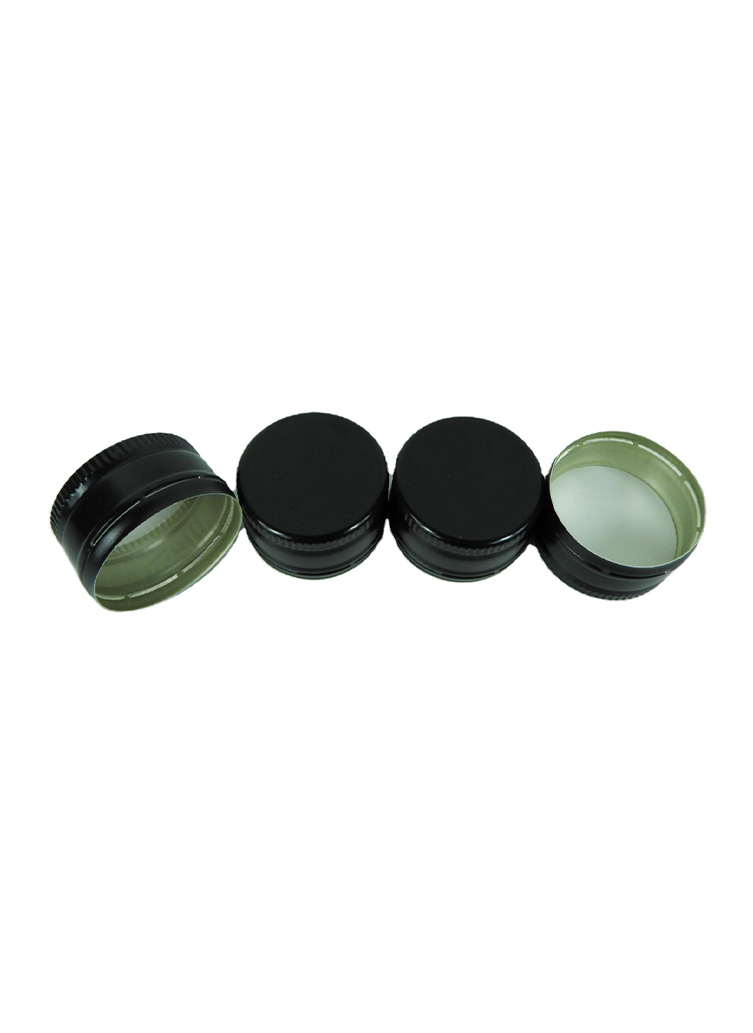
Its core advantages lie in its excellent formability, possessing good deep drawing properties and a low ear-making rate, perfectly adapting to the production processes of mainstream bottle caps such as tamper-evident caps (PILFER PROOF). After forming, it has moderate strength, ensuring a good seal and a smooth opening feel.
Furthermore, 8011 aluminum alloy has good surface smoothness, facilitating subsequent processing such as coating and printing, and its cost is relatively controllable. Therefore, it is widely used in the production of bottle caps for most categories of products, including wine, olive oil, juice, and carbonated beverages.
For example, Alucoat® Clopp, a core product of European suppliers such as ALUCOAT Conversion, explicitly recommends using EN AW 8011A aluminum alloy to meet the stringent requirements of the beverage industry.
Tags: bottle cap material |
Original Source: http://alclosuresheet.com/a/the-use-of-aluminum-bottle-cap-material-in-european-food-and-beverage-packaging.html
Product

Coated Aluminum Strip
Painted aluminum
Plain Aluminum
Printed Aluminum
Alloy
3105
8011
Application
Carbonated beverage cap

+86-15978414719


+86-15978414719


sale@alumhm.com