


2026-04-01
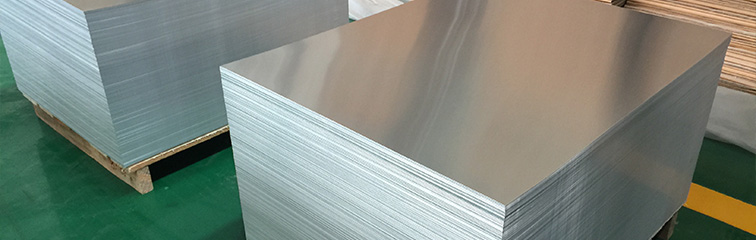
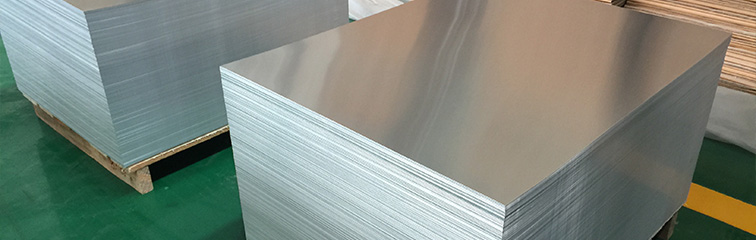
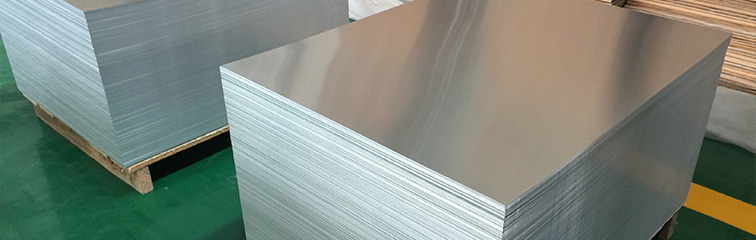
Metal bottle caps are made from several materials, but for beverage, spirits, pharmaceutical, and food closures, aluminum is one of the most widely used. In practice, many screw caps, pilfer-proof caps, and roll-on closures are stamped from aluminum closure sheet or coil, then coated, printed, formed, and lined.
For companies sourcing cap material, the main issue is not just the metal itself. The real concern is whether the sheet can run cleanly at high speed, resist cracking during forming, and meet food-contact rules. That is why the most important feature in this article is formability without earing or split lines during cap making.
The most common materials are listed below.
| Material | Typical use | Main advantage | Main limitation |
|---|---|---|---|
| Aluminum | ROPP caps, spirits closures, wine caps, pharma caps | Lightweight, corrosion resistant, excellent formability, strong decoration performance | Higher unit metal value than tinplate in some formats |
| Tinplate steel | Crown caps, food jar lids, some beverage closures | High strength, established global supply | Heavier, more corrosion-sensitive without coating |
| Stainless steel | Specialty closures, industrial packaging | Strong corrosion resistance | Too expensive for most mass-market caps |
| Plastic with metal components | Hybrid closures | Design flexibility | Recycling complexity |
In premium and high-speed closure applications, aluminum is preferred because it combines low weight, clean surface quality, printability, and easy shaping into threaded caps.
Most aluminum bottle caps are made from wrought aluminum alloys supplied as sheet or coil. Common cap stock families include 1xxx, 3xxx, and selected 8xxx series, depending on forming needs, strength target, and the closure design.
In commercial practice, the material is often described by application rather than only by alloy number:
The sheet is typically supplied in a temper that balances strength with deep draw and roll-form performance. For ROPP closures, processors usually want stable gauge, flatness, low residual oil variation, and consistent coating adhesion.
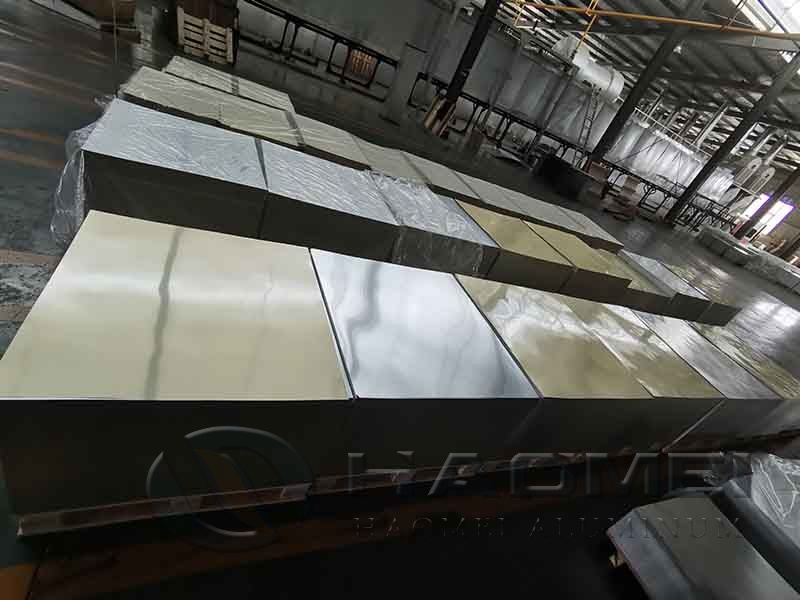
The process chain matters because cap defects often begin upstream at rolling or coating.
For cap makers, the practical checkpoints are below.
A high-quality aluminum closure sheet should also show reliable score-line behavior, thread forming performance, and low scrap generation on the capping line.
Aluminum is not used just because it is light. It solves several operational problems at once.
| Requirement | Why aluminum works well |
|---|---|
| Deep drawing and shell forming | Good ductility reduces split risk |
| Decoration | Smooth surface supports coating and high-quality printing |
| Corrosion resistance | Natural oxide layer plus lacquer system protects the closure |
| Tamper evidence | Suitable for pilfer-proof bridge and skirt designs |
| Logistics | Lower weight reduces transport mass |
| Recycling | Widely recyclable in established markets |
This is why aluminum is common in wine closures, spirits caps, pharmaceutical seals, olive oil closures, and non-carbonated beverage caps.

Sourcing decisions should be tied to verifiable compliance, not generic claims.
For food and beverage contact, common frameworks include:
For management systems and quality assurance, suppliers often hold:
Ask for test reports on coating adhesion, cure, migration where applicable, wettability, and mechanical performance. If the cap will be used with aggressive fillings such as acidic spirits or oils, request product-specific compatibility data rather than general declarations.
Aluminum cap material pricing usually moves with four factors.
| Cost driver | Impact on price |
|---|---|
| Primary aluminum price | Largest metal cost component |
| Conversion premium | Rolling, annealing, coating, printing, slitting |
| Coating system | Food-grade lacquer and specialty inks add cost |
| Energy and freight | Major effect during tight supply cycles |
Global aluminum prices are commonly benchmarked against exchange-traded metal markets such as LME-linked pricing, while regional physical premiums and conversion charges vary by country and mill capability. Coated and printed cap stock costs significantly more than plain sheet because of paint systems, curing, quality control, and lower yield after decoration.
Current market behavior generally shows that closure sheet supply is more stable than in the extreme volatility seen during 2021-2022, but risk remains in energy-intensive rolling regions, coating line availability, and transport lead times. Buyers who only compare base metal prices often miss the larger cost of poor runnability, reprinting, and cap rejection.
Shortlist suppliers using this practical screen:
For many cap converters, the biggest hidden cost is not sheet price. It is downtime caused by variation in temper, coating cure, or surface friction.
If the closure requires premium printing, low weight, and reliable roll-on forming, aluminum is usually the right choice. If the cap needs very high rigidity at low cost and decoration demands are moderate, steel-based options may still fit.
Use this selection shortcut:
For most modern bottle cap programs, metal caps are effectively made from engineered aluminum sheet rather than generic metal. The performance comes from the full package: alloy, rolling route, temper, coating, print layer, and process control.
Tags: metal bottle caps | aluminum closure sheet | aluminum cap stock | ROPP caps | PP caps |
Original Source: http://alclosuresheet.com/a/what-are-metal-bottle-caps-made-of.html

+86-15978414719


+86-15978414719


sale@alumhm.com