

2026-01-27
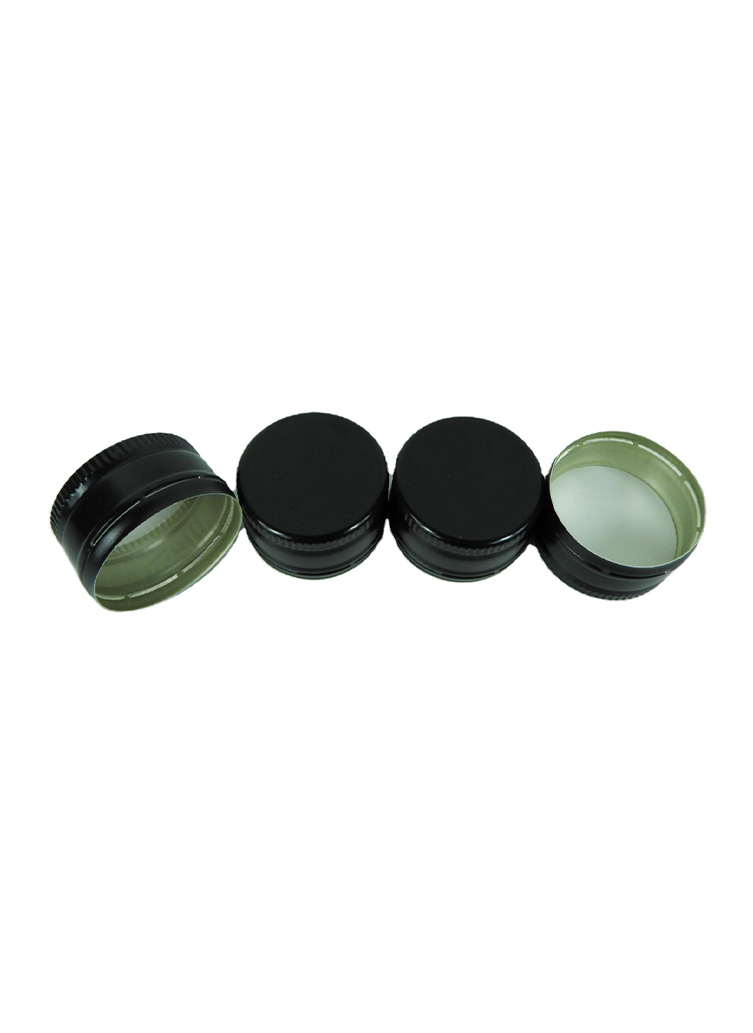
In the packaging industry, ROPP (Roll-On Pilfer-Proof) bottle caps are widely used in beverages, wines, pharmaceuticals, and cosmetics due to their strong sealing, anti-theft properties, lightweight nature, and recyclability.
The manufacturing process of ROPP bottle caps includes key steps such as stamping, rolling, and sealing, and must be compatible with high-speed production lines while meeting the sealing, corrosion resistance, and safety requirements of different scenarios. This necessitates that the aluminum material used for ROPP bottle caps possess excellent processability, stable mechanical properties, precise dimensional control, and reliable surface properties.
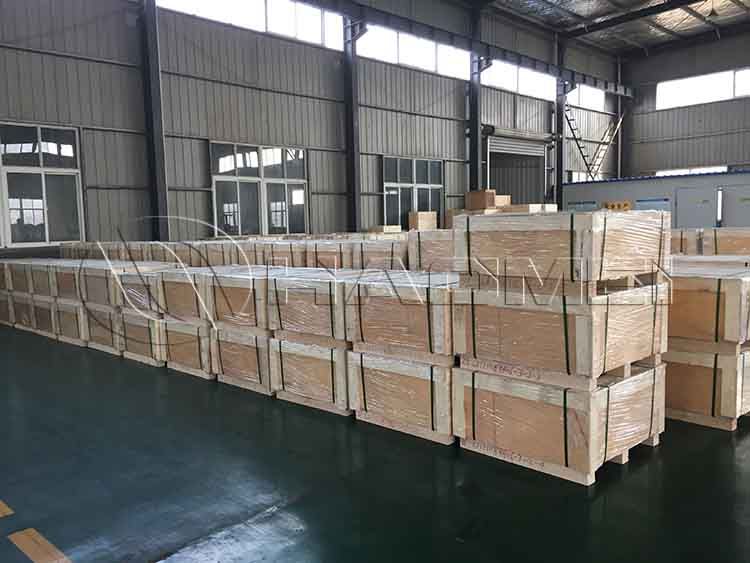
Currently, the mainstream aluminum materials suitable for ROPP bottle caps in the industry are mainly aluminium 8011 and 3105 alloys, with some special applications using alloys such as 5182. The core compatibility logic revolves around "meeting processing requirements + ensuring performance in use."
The alloy composition directly determines the mechanical properties, corrosion resistance, and processability of the aluminum material, and is the primary consideration in selecting ROPP bottle cap materials. Based on industry practices and standards (such as YS/T 91—2020), the mainstream suitable alloys and their composition requirements are as follows:
1. 8011 Aluminum Alloy: The most widely used base material for ROPP bottle caps, belonging to the Al-Fe-Si alloy system. Its core components contain 0.7%-1.3% Fe and 0.5%-1.0% Si, with the remainder being aluminum matrix and trace impurities (strictly limited to ≤0.05% for a single impurity).
The advantages of this alloy are its excellent balance between strength and plasticity, good deep-drawing performance, and low ear-making rate (≤3%), effectively reducing waste during the stamping process. It is particularly suitable for manufacturing conventional ROPP bottle caps for wine, drinking water, and pharmaceutical bottles. For example, for 30×60mm long ROPP bottle caps for wine, which require high-precision stretching, the performance adaptability of 8011 alloy far exceeds that of other grades.
2. 3105 Alloy: Belonging to the Al-Mg alloy family, with a Mg content of approximately 1.0%-1.5%, it has slightly higher strength than 8011 alloy and stronger corrosion resistance. Its primary application is in high-pressure container caps for carbonated beverages—the internal pressure of carbonated beverage cans is typically 0.2-0.3 MPa. 3105 alloy, with its excellent compressive strength, can withstand this internal pressure, preventing cap deformation or seal failure, making it the preferred material for ROPP bottle caps in carbonated beverages.
3. Special Alloys: For applications requiring extremely high corrosion resistance and strength, such as food canning, 5182 aluminum alloy (Al-Mg series, Mg content 4.5%-4.9%) is used. By precisely controlling the content of auxiliary elements such as Mn and Cu, it achieves both high strength and high corrosion resistance. However, its cost is relatively high, and it is only suitable for special applications.
The mechanical condition (i.e., heat treatment condition) of aluminum material determines its key indicators such as hardness, tensile strength, and elongation, and must be matched with the stamping and rolling processes of ROPP bottle caps and subsequent application scenarios. The mainstream mechanical conditions and requirements in the industry are as follows:
1. Mainstream Conditions: 8011 alloy commonly uses H14 and H16 conditions, while 3105 alloy commonly uses H14, H16, and H26 conditions. H14 and H16 are strain-hardened conditions (strengthened through cold rolling), while H26 is a strain-hardened + partially annealed condition, balancing strength and plasticity.
2. Key Indicators: According to the YS/T 91—2020 standard, the tensile strength of 8011 H14/H16 condition needs to be controlled between 130-165 MPa, with an elongation after fracture ≥1%; the tensile strength of 3105 H16/H26 condition needs to reach 175-225 MPa, with an elongation after fracture ≥1%. Too low elongation can lead to cracking during stamping, while too high elongation can affect dimensional stability during rolling. Insufficient tensile strength can cause cap deformation, while too high tensile strength increases opening difficulty; precise balance is required.
3. Auxiliary Indicators: Ear-making rate is a key processing indicator, requiring ≤3% (high-quality materials can be controlled within 2%). An excessively high ear-making rate will result in uneven edges after stamping, increasing trimming costs and affecting the efficiency of high-speed production lines.
The thickness accuracy of ROPP caps directly affects the stamping effect, rolling sealing performance, and adaptability to high-speed production lines. Excessive error can easily lead to cap dimensional deviations and poor sealing. The industry has extremely stringent requirements for thickness precision. Specific standards are as follows:
1. Thickness Range: The thickness of mainstream ROPP bottle cap material is 0.15-0.30mm. For wine and pharmaceutical bottle caps, 0.15-0.27mm (8011 alloy) is commonly used, while for carbonated beverage bottle caps, 0.18-0.30mm (3105 alloy) is commonly used. The specific thickness needs to be adjusted according to the bottle cap size (e.g., 18-38mm diameter) and the application scenario.
2. Thickness Tolerance: Industry standards require thickness tolerance to be controlled within ±0.01mm. High-quality suppliers can achieve a precision control of ±0.005mm (e.g., Haomei Aluminum). In addition, width tolerance must be ≤0.5mm, length tolerance ≤0.5mm, and flatness (unevenness) ≤0.5mm (high-quality materials can be ≤0.3mm) to ensure uniform stress and good forming consistency during high-speed stamping and rolling.
Note: Excessive thickness deviation not only leads to defects in the bottle cap's appearance (such as uneven edges or bulges), but also affects coating uniformity and sealing performance. This is especially true for pharmaceutical and alcoholic beverage products, where high sealing requirements are essential, and thickness accuracy must strictly adhere to standards.
ROPP bottle caps often come into direct contact with food, pharmaceuticals, cosmetics, and other products, and must withstand friction and humidity during transportation and storage. Therefore, the aluminum surface coating must meet core requirements such as safety, corrosion resistance, and abrasion resistance. Specific standards are as follows:
1. Coating Safety: It must comply with FDA (U.S. Food and Drug Administration), EU (European Union), and other food contact material standards. The coating material must be odorless and free of harmful substance migration, ensuring that contact with the contents does not affect product safety.
2. Core Performance: Coating adhesion must meet the cross-cut adhesion test standard ≥4B to ensure no peeling or flaking during stamping and rolling; film thickness uniformity must be controlled within ±2μm to avoid localized thin coatings leading to corrosion, or excessive thickness affecting molding; scratch resistance must meet the transportation requirements of high-speed production lines, and surface color consistency ΔE≤1.5 (measured with a colorimeter) to ensure a uniform appearance.
3. Special Testing: The coating durability must be verified through a boiling water immersion test (e.g., immersion in 121℃ boiling water for 30 minutes). It must also possess good chemical resistance, resisting the corrosion of its contents (such as alcohol in wines and acids/alkalis in beverages) to prevent coating damage leading to corrosion of the aluminum substrate.
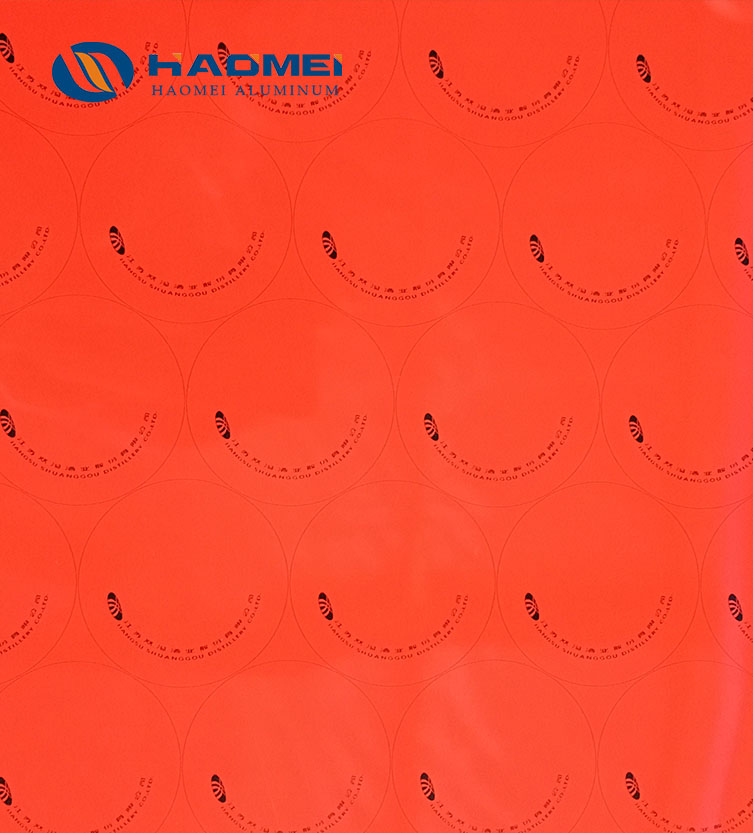
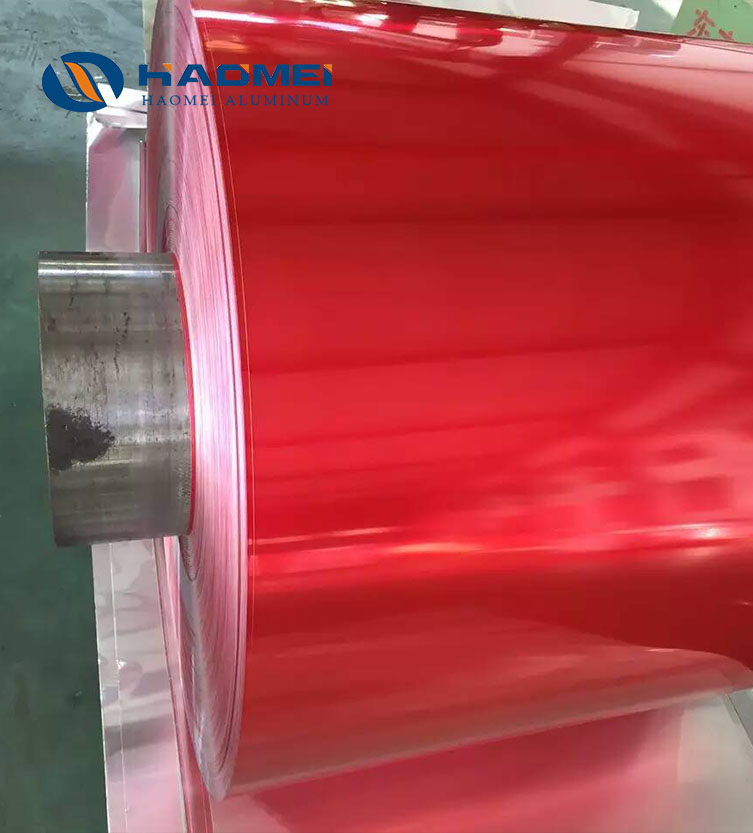
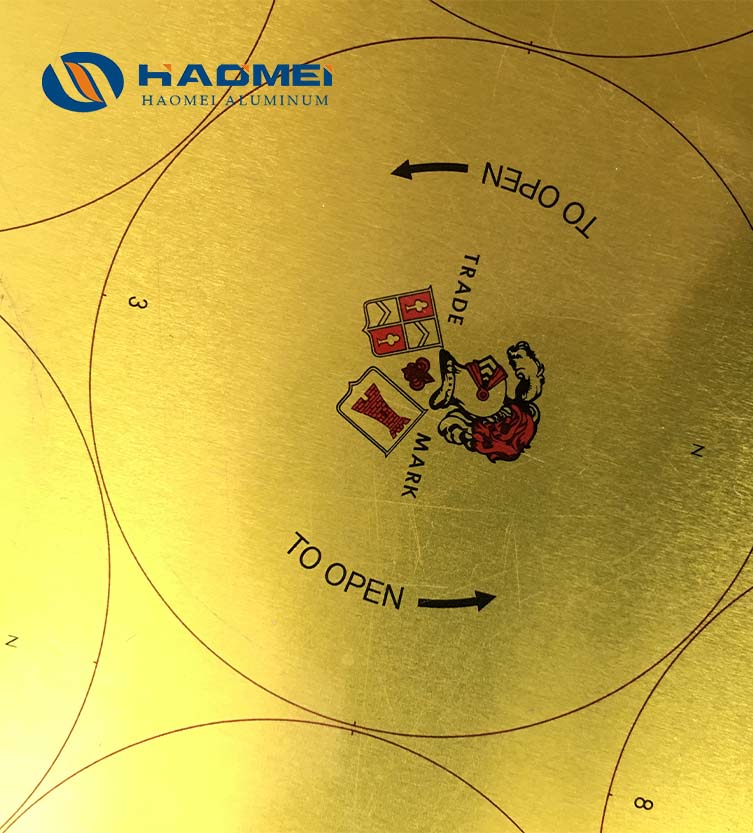
4. Surface Treatment Process: Mainstream processes include chromate phosphating, painting, and printing. In some applications, printed aluminum sheets may be used. It is essential to ensure clear and abrasion-resistant printed patterns, and a tight bond between the printed layer and the coating.
Tags: bottle cap material |
Original Source: http://alclosuresheet.com/a/how-to-choose-bottle-cap-material-for-aluminum-ropp-caps.html
Product
Printed Aluminum

Coated Aluminum Strip
Painted aluminum
Aluminium Foil Sealing
Alloy
3105
8011
Application
Beverage cap
Easy-tear lid
Carbonated beverage cap

Beer bottle cap

+86-15978414719


+86-15978414719


sale@alumhm.com