

2026-01-19
In the bottle cap packaging industry, aluminum alloys have become the mainstream choice due to their advantages of being lightweight, easy to process, and corrosion-resistant. Among them, 8011, 3105, 3003, and 5052 alloys are the most widely used, but due to differences in composition, they each have their own strengths in performance, cost, and applicable scenarios.
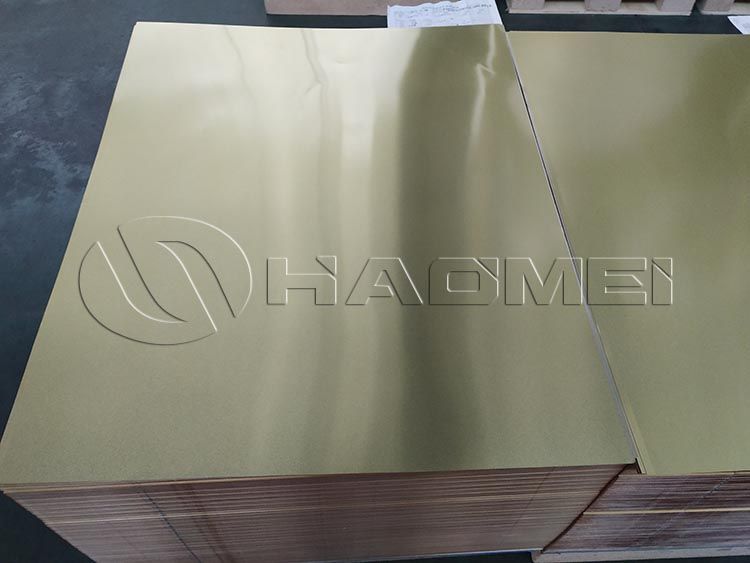
Formability: Excellent performance, low ear-making rate, can be processed into ultra-thin sheets of 0.006-0.2mm, good deep-drawing performance, can adapt to complex bottle cap shapes, meets Grade A standard in water washing tests, and has high surface smoothness.
Strength: Medium strength, tensile strength approximately 125-215MPa (varies depending on the condition), moderate hardness, ensuring both structural stability after bottle cap forming and easy opening.
Corrosion Resistance: Easily forms a dense oxide film on the surface, resistant to atmospheric, fresh water, and food media corrosion, meets hygiene standards, no harmful impurities are released, and meets food-grade and pharmaceutical-grade standards.
Cost: Moderate, excellent cost-performance ratio, highly competitive among ultra-thin bottle cap materials, and controllable cost for bulk purchases.
Suitable Bottle Cap Types: Best suited for pharmaceutical caps (such as oral liquid bottle caps and capsule bottle aluminum caps), widely used due to its good sealing performance, moderate strength, and hygiene compliance; also suitable for beverage caps, liquor/red wine caps, milk powder caps, etc., and can also be used as the base material for simple ROPP tamper-evident caps.
Formability: Good, excellent deep-drawing performance, low ear-making rate, adaptable to rolling processes with a thickness of 0.15-0.28mm, capable of precisely forming the toothed structure of tamper-evident caps, and strong adhesion for subsequent coatings and printing.
Strength: Medium to high level among the four alloys, tensile strength can reach 150-260MPa (higher strength in the H18 state), excellent shear strength and yield strength, maintaining structural integrity when the tamper-evident cap is opened, and not easily deformed.
Corrosion Resistance: Aluminum-manganese alloys exhibit outstanding rust resistance, resisting atmospheric corrosion and mild chemical corrosion. The addition of trace amounts of copper enhances conductivity without compromising basic corrosion resistance, making them suitable for most room-temperature storage scenarios.
Cost: Slightly higher than 8011 and 3003, its strength advantage makes it a significant cost-effective option in the tamper-evident cap market.
Compatible Cap Types: Core compatibility is with ROPP tamper-evident caps (commonly used for wine and high-end beverages), enabling precise roll-formed tamper-evident tooth structures with controllable fracture strength upon opening. It can also be used for screw caps and cosmetic bottle caps, meeting high strength and decorative requirements.
Formability: Excellent, with an elongation of up to 30% in the annealed state. It boasts the best plasticity among the four alloys, adaptable to various processing techniques such as deep drawing, bending, and welding. It can be molded into complex shapes with a low scrap rate.
Strength: Medium to low, tensile strength 110-205MPa, relatively soft, suitable for bottle caps with low strength requirements, and offers low opening resistance.
Corrosion Resistance: Close to pure aluminum, resistant to atmospheric, fresh water, and weak acid/alkali environments. Stable in food contact environments, meeting the storage needs of ordinary beverages and daily necessities.
Cost: Relatively low, an economical choice for general-purpose aluminum bottle caps, with a significant cost advantage in bulk applications.
Compatible Bottle Cap Types: Suitable for ordinary beverage caps, simple screw caps (such as mineral water and carbonated beverage bottle caps), and can also be used for low-end ROPP tamper-evident caps and daily chemical product bottle caps; due to insufficient strength, it is not suitable for high-pressure, high-strength easy-open caps and medicine caps.
Formability: Good, excellent plasticity (deformation rate > 80%), suitable for cold stamping and rolling, high surface finish, excellent brightness after coating, but elongation is slightly lower than 3003, requiring precise process control for complex deep-drawing applications.
Strength: Highest among the four alloys, tensile strength 170-305MPa, yield strength 90-110MPa, moderate strength with fatigue resistance, capable of withstanding high pressure, impact, and other complex conditions.
Corrosion Resistance: Optimal, the dense oxide film formed by magnesium provides outstanding resistance to seawater, salt spray, and corrosive industrial gases. The copper-free formula avoids corrosion problems in chloride ion media, and the anodizing effect is good, combining decorative appeal with corrosion resistance.
Cost: Highest, due to the high magnesium content, raw material and processing costs are higher than the other three alloys, suitable for high-end applications.
Compatible Bottle Cap Types: Core compatibility with easy-open caps/functional beverage caps (such as energy drink and beer easy-open caps), capable of withstanding high pressure and impact during filling and transportation; also suitable for high-end screw caps and caps used in marine transportation scenarios. Not recommended for ordinary low-cost bottle caps.
There is no absolutely "best" alloy, only the most suitable choice for the scenario:
- For those prioritizing hygiene and cost-effectiveness, using medicine caps and ordinary beverage caps: 8011 is the preferred choice;
- For those requiring a high-strength anti-theft structure, using ROPP anti-theft caps and high-end bottle caps: 3105 is the first choice;
- For low-cost, general-purpose scenarios, using ordinary beverage caps and simple screw caps: 3003 is the choice;
- For high-end, demanding environments, using easy-open caps, functional beverage caps, and high-end packaging: 5052 is the choice.
Tags: bottle cap material |
Original Source: http://alclosuresheet.com/a/which-alloy-is-best-for-aluminum-bottle-caps.html
Product
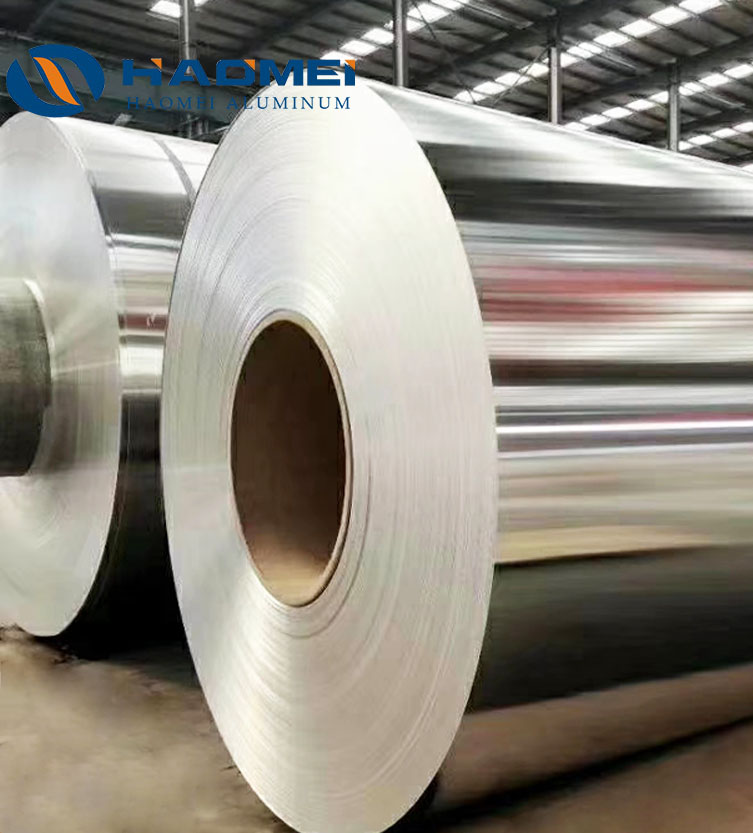
Aluminium Foil Sealing
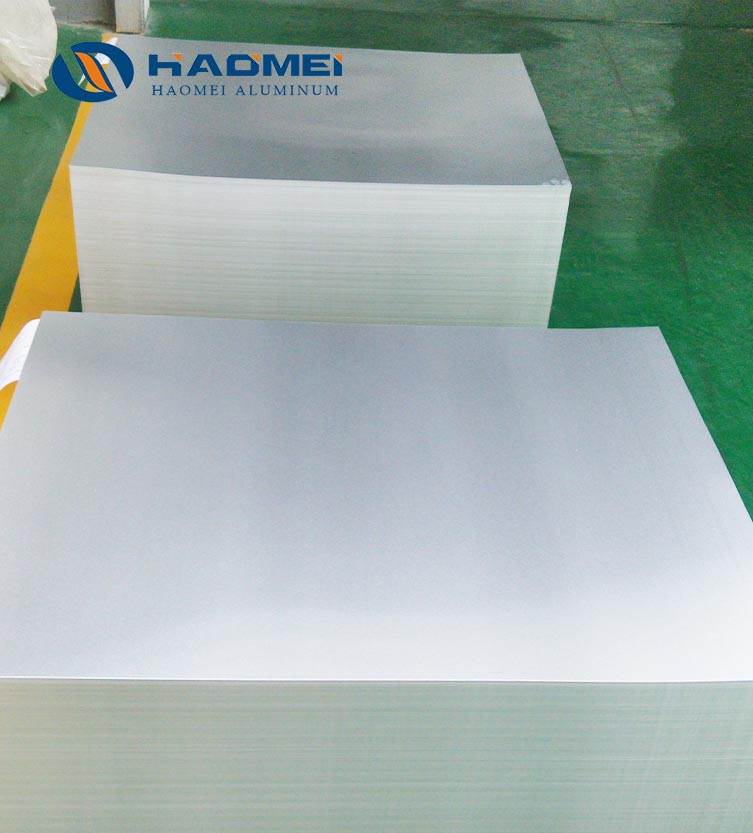
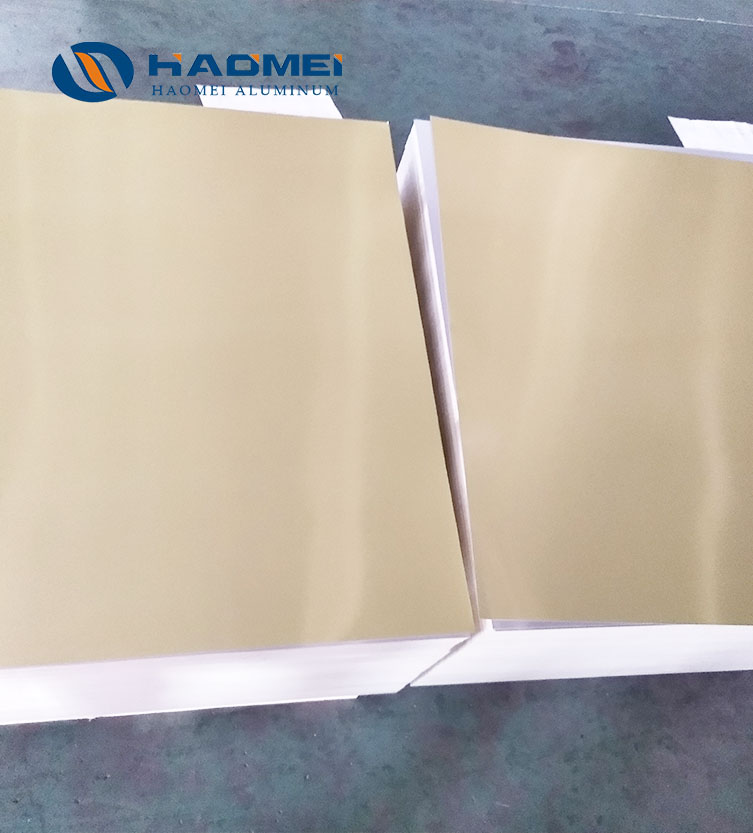
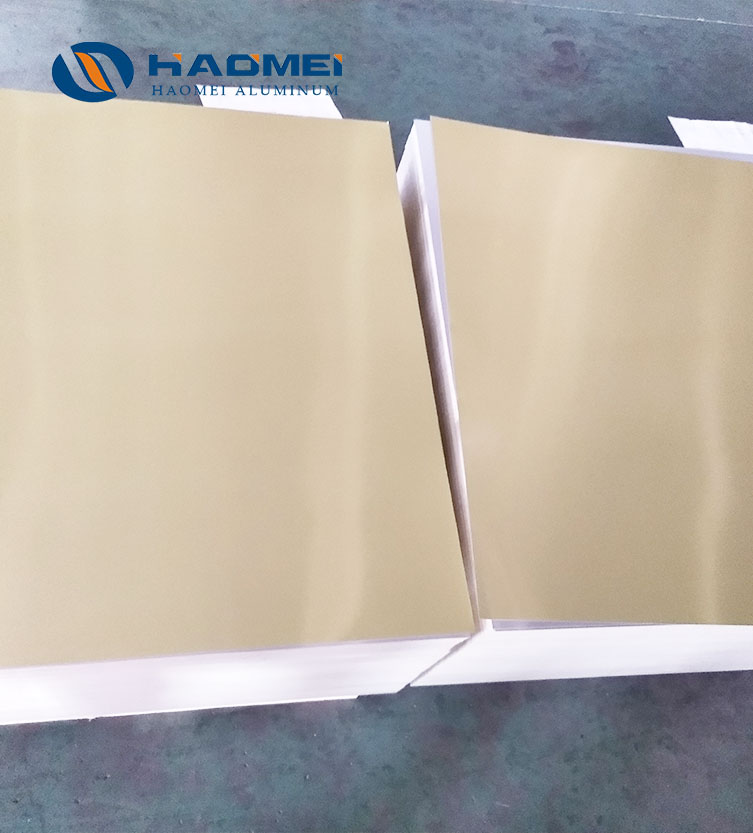
Plain Aluminum
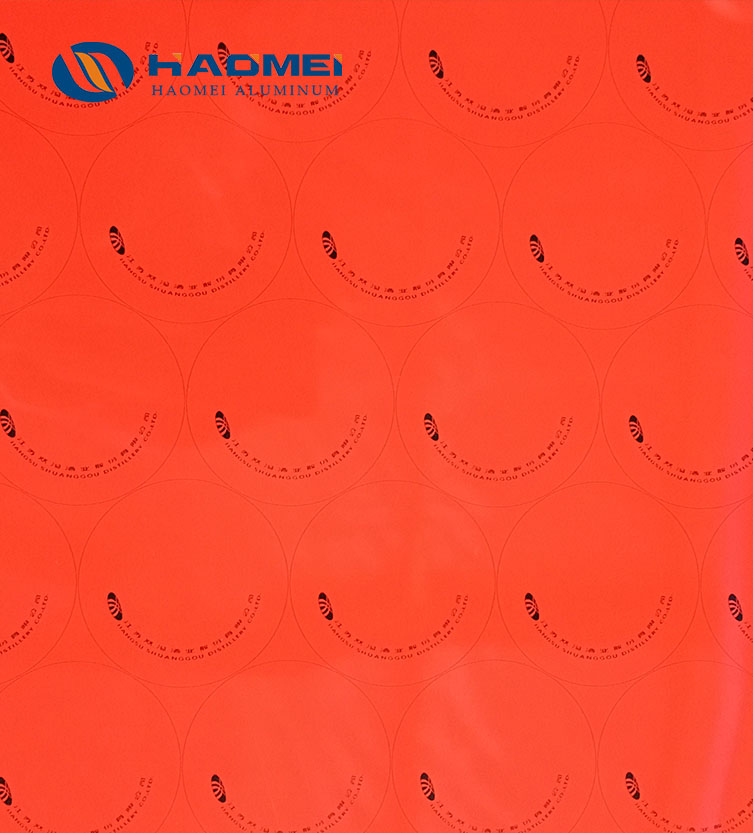
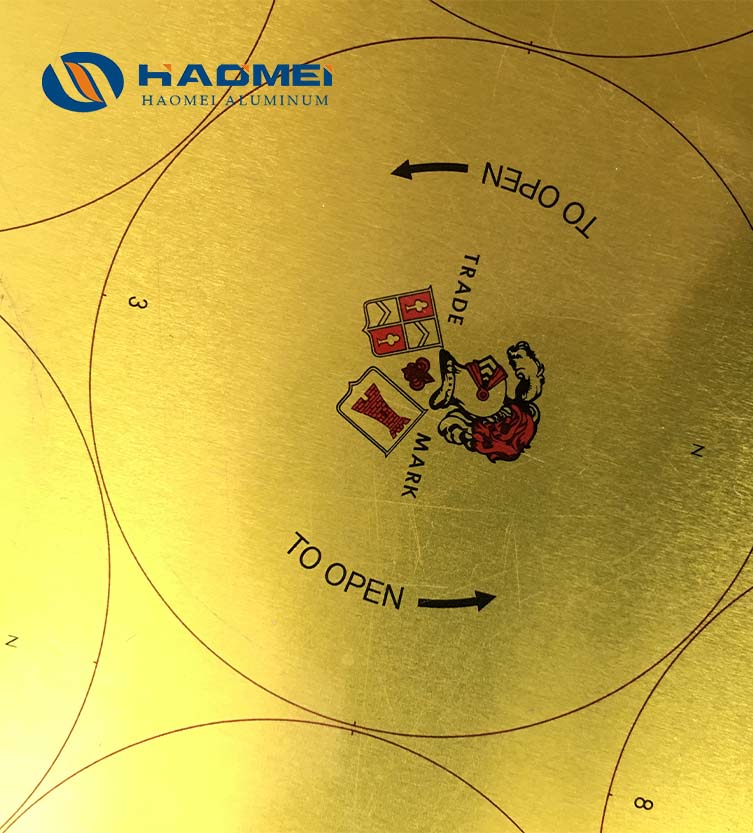
Printed Aluminum
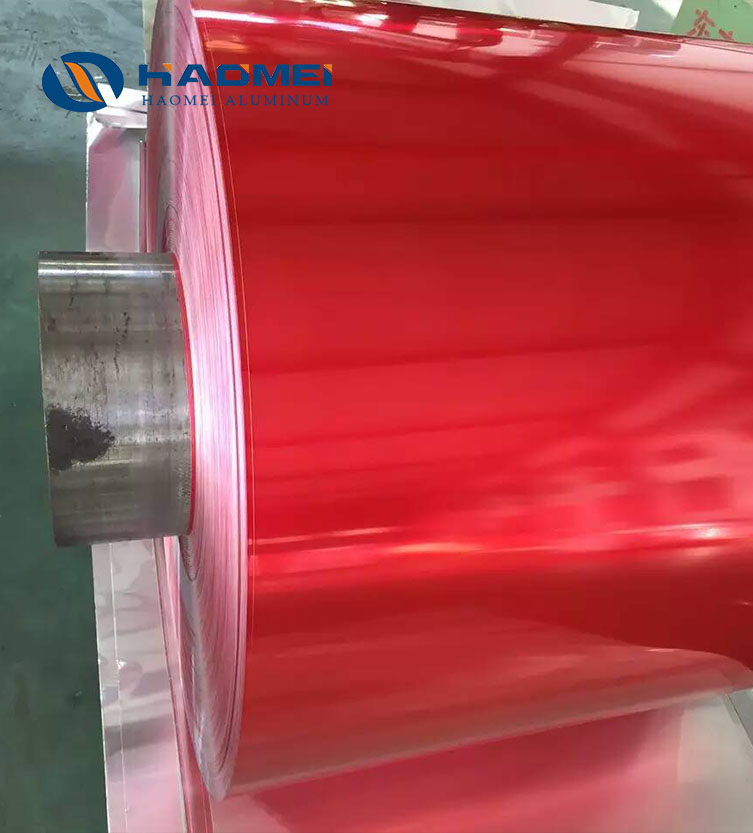
Painted aluminum
Alloy
8011
5052
3105
Application
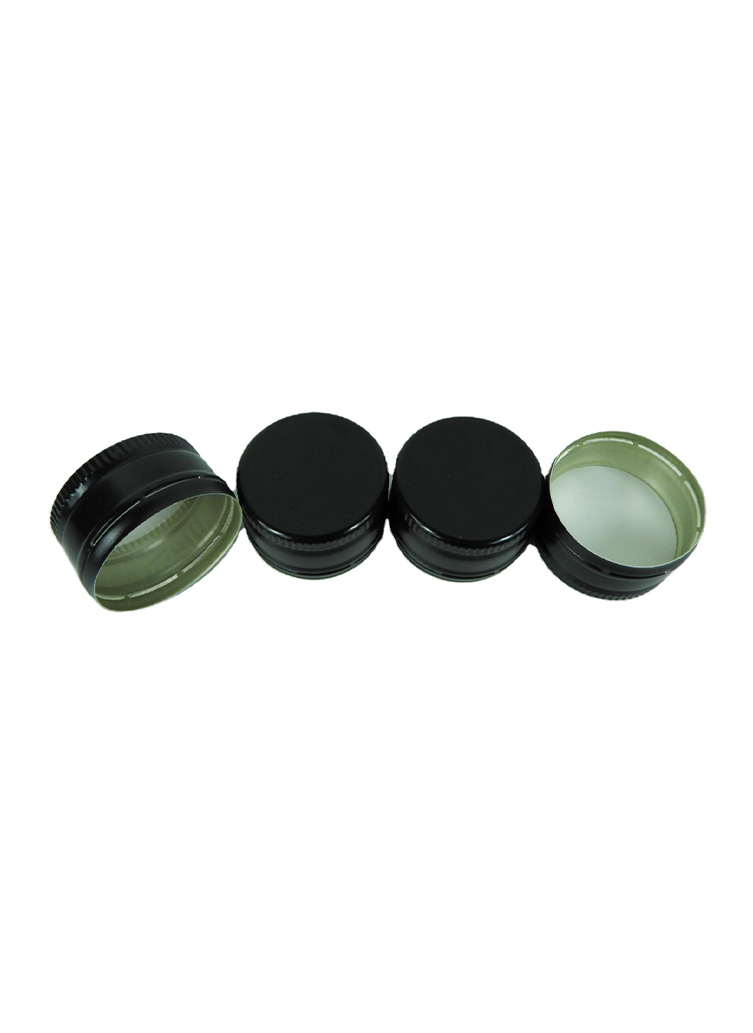
Carbonated beverage cap
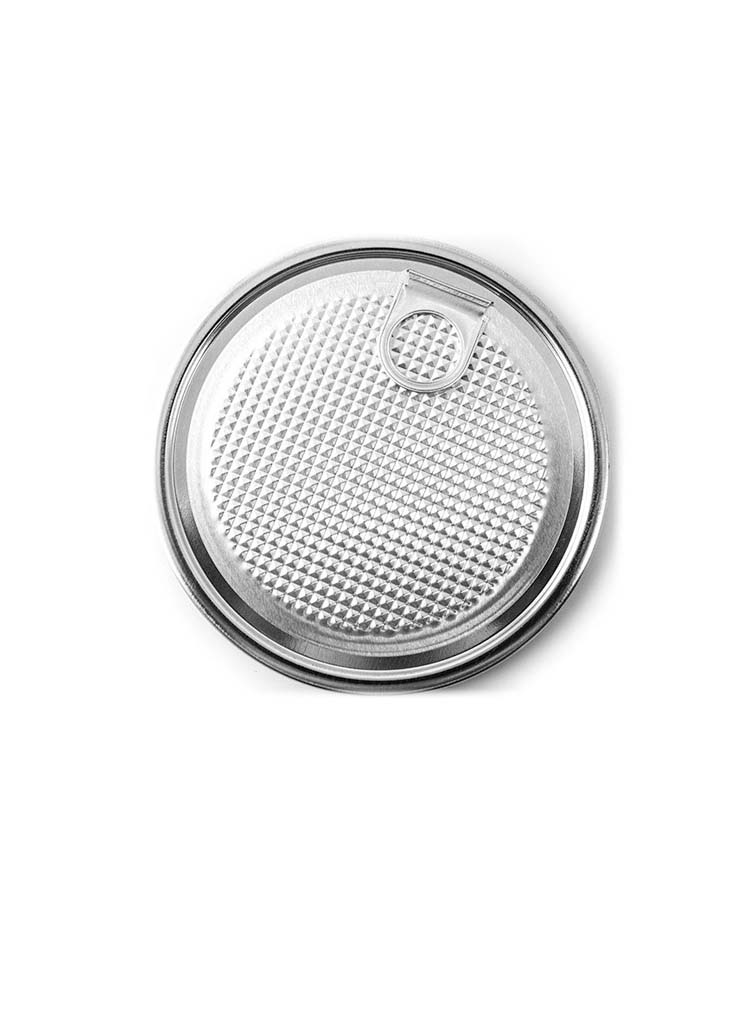
Easy-tear lid

HDPE Bottle Sealing
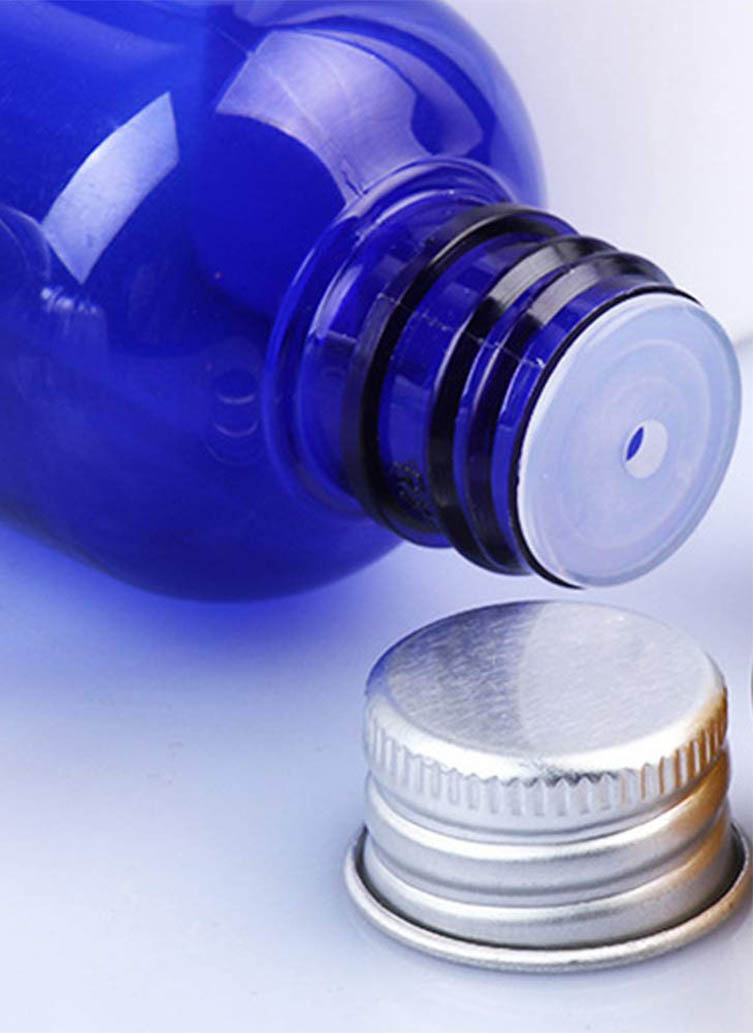
Cosmetic cap

+86-15978414719


+86-15978414719


sale@alumhm.com