


2026-08-06
Aluminum closure coil is a specialized material for manufacturing screw caps, ROPP caps, pilfer-proof closures, beverage caps, and cosmetic bottle closures. In recent public search discussions and Q&A threads, many cap makers have focused less on nominal price and more on forming stability, coating compatibility, and repeatable performance on high-speed lines.
The five questions below reflect the natural wording frequently seen in recent English-language searches and industry Q&A discussions. The answers focus on practical material selection for aluminum bottle cap making.
For most aluminum bottle cap applications, 8011 aluminum alloy is the common choice because it offers a balanced combination of formability, strength, surface quality, and cost control. It performs well during blanking, deep drawing, threading, knurling, and embossing.
3105 aluminum alloy is also used for selected closure designs, especially where slightly higher strength or particular coating requirements are needed. The right choice depends on the cap geometry, bottle neck finish, production speed, and whether the closure includes a liner or tamper-evident band.
| Closure application | Common alloy option | Why it is used |
|---|---|---|
| ROPP wine and spirit caps | 8011 | Good drawability and thread-forming performance |
| Beverage screw caps | 8011 | Stable stamping and decorative coating capability |
| Cosmetic and pharmaceutical closures | 8011 or 3105 | Suitable surface quality for printing and finishing |
| Deep-drawn specialty caps | 8011, adjusted temper | Helps reduce cracking during forming |
The alloy alone does not determine cap quality. Grain structure, thickness consistency, lubrication, coating adhesion, and coil flatness are equally important. A technically suitable alloy can still cause waste if the coil has uneven mechanical properties across its width.
H14, H16, and H18 are commonly discussed tempers for aluminum closure coil, but the correct selection depends on how much deformation the cap undergoes after blanking. Softer material generally provides easier drawing and reduces the chance of sidewall cracking. Harder material can provide more rigidity, but it may be less forgiving when the cap has a deep skirt, pronounced knurling, or complex embossing.
For standard ROPP caps, H14 or H16 is often specified because these tempers provide a practical balance between stiffness and formability. H18 can be suitable for simpler shapes or designs requiring increased hardness, provided the cap-making line is set up for it.
Before committing to a large order, cap makers should test the coil on their own dies. Die radius, punch condition, drawing ratio, lubricant type, and operating speed can change the optimum temper. A material that works smoothly on one press may require a different temper on another line.
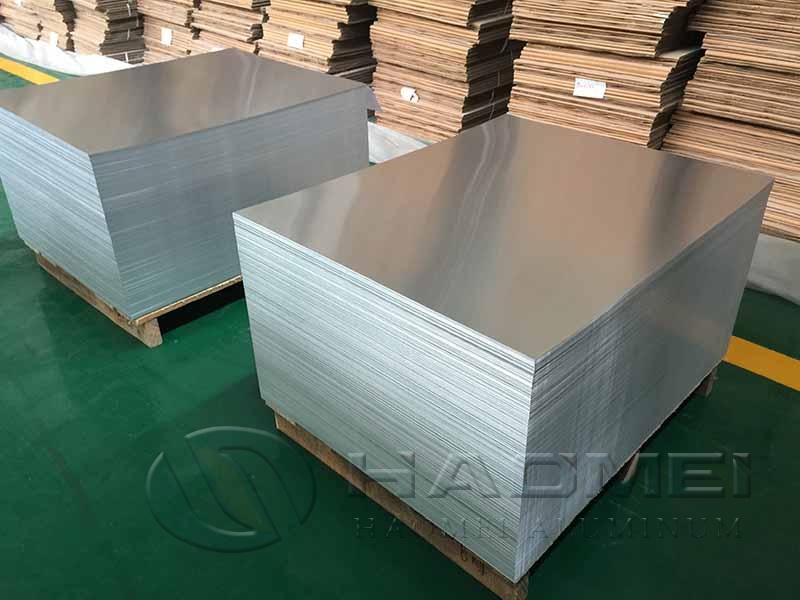
Typical aluminum closure coil thickness ranges from 0.18 mm to 0.28 mm, although exact requirements vary by closure diameter, cap height, thread design, liner system, and intended market. Thin material can lower metal consumption, but it must still resist deformation during capping, transport, and opening.
A 0.20 mm to 0.23 mm coil is often considered for lightweight beverage and water closures. Wine, liquor, and premium cosmetic closures may use thicker gauges where appearance, rigidity, or deep drawing is more demanding. Thickness tolerance matters as much as nominal thickness. Variation can affect blank weight, drawing depth, torque behavior, and the finished cap's visual consistency.
When comparing offers, ask for the following coil data rather than evaluating thickness alone:
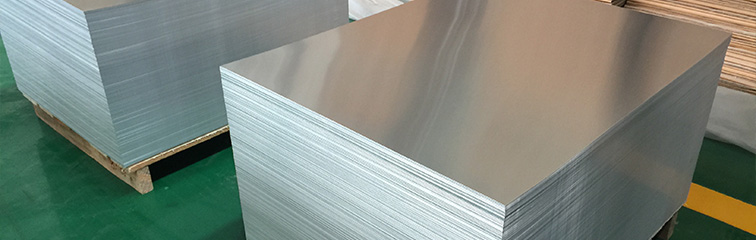
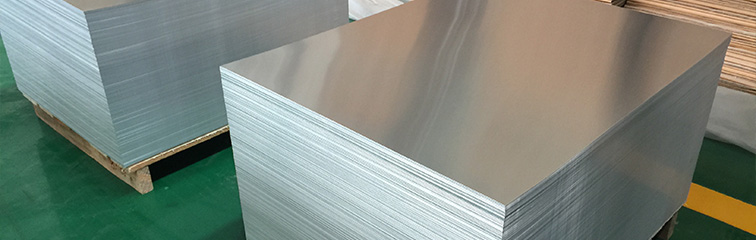
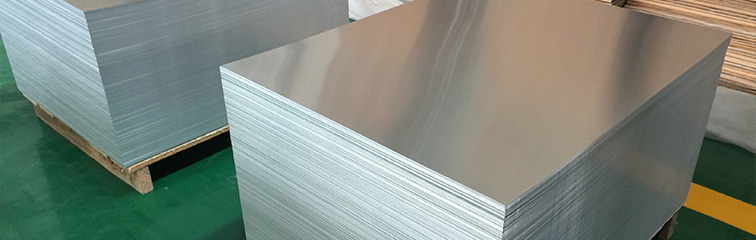
For uncoated stock, Plain Aluminum can be practical when your facility applies its own lacquer, base coat, printing, and overvarnish. This approach gives greater control over decoration, although it also requires reliable coating-line process management.
Both options are widely used. Pre-coated aluminum closure coil is convenient for operations that want ready-to-print or ready-to-form material. It can include clear lacquer, colored coating, food-contact internal lacquer, printing primer, or a protective topcoat. Consistent factory-applied coating may reduce handling steps and improve visual uniformity.
Plain coil is more suitable when a cap producer has in-house printing and coating equipment, custom color programs, or frequent artwork changes. However, self-coating requires close attention to curing temperature, coating weight, adhesion, solvent resistance, and compatibility with the product being packed.
For food, beverage, pharmaceutical, and personal-care packaging, the internal lacquer should be evaluated for the actual filling product. Acidic drinks, alcohol, oils, fragrances, and aggressive formulations can interact differently with coatings. Ask for relevant compliance documents and conduct migration or compatibility testing according to the destination market's applicable packaging rules.
Cracks, wrinkles, and scratches are usually process-and-material interaction issues rather than a single coil defect. Cracking often appears when the material is too hard for the drawing depth, when elongation is insufficient, or when die radii are too sharp. Wrinkling may result from unsuitable blank-holder pressure, inconsistent material thickness, or poor die alignment.
Surface scratches can come from coil handling, slitting burrs, contaminated rollers, worn tooling, or inadequate protective packaging. Decorative caps are especially sensitive because small marks remain visible after printing, varnishing, or bright finishing.
| Production symptom | Possible material-related cause | First practical check |
|---|---|---|
| Skirt cracking | Temper too hard or low elongation | Compare tensile and elongation certificates with forming requirements |
| Uneven thread formation | Thickness variation or inconsistent hardness | Measure coil properties across width and along length |
| Wrinkles near cap shoulder | Material too soft or forming setup imbalance | Review blank-holder pressure and drawing parameters |
| Printed surface scratches | Poor coil protection or rough handling path | Inspect separators, rollers, slitter edges, and packaging |
| Coating peeling | Weak adhesion or insufficient curing | Test cross-hatch adhesion and curing conditions |
A useful pre-production request is a trial coil with the same alloy, temper, thickness, coating structure, and width planned for regular supply. Record press speed, scrap rate, torque performance, visual defects, and coating behavior during that trial. These production observations create a more reliable specification than selecting aluminum closure coil only by alloy and gauge.
Tags: Aluminum closure coil | aluminum bottle cap material | bottle cap making | aluminum cap sheet |
Original Source: https://alclosuresheet.com/a/aluminum-closure-coil.html

+86-15978414719


+86-15978414719


sale@alumhm.com