

2026-06-10
In the wine packaging system, aluminum caps have long replaced traditional corks, becoming the mainstream choice in the market. Compared to corks, aluminum caps offer stronger sealing, greater storage stability, and eliminate cork contamination, while also being compatible with industrialized high-speed filling and screw-on capping production.
Many people only focus on the quality of the wine itself and the production process of the region, neglecting the crucial impact of the aluminum wine cap material’s parameters on wine storage, transportation, and flavor retention. The forming effect, sealing performance, deformation resistance, and corrosion resistance of aluminum caps depend primarily on three key parameters: alloy material, sheet thickness, and tempering state.
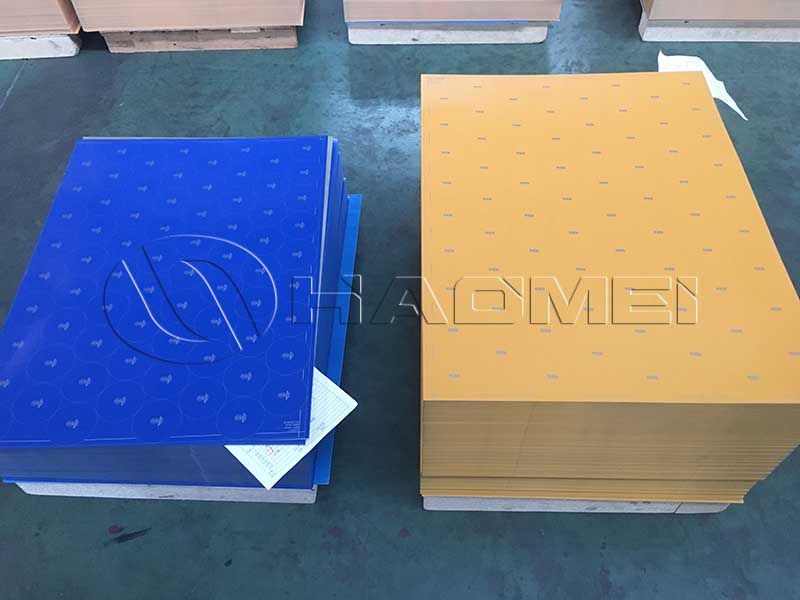
Currently, the mainstream alloy used in the industry is 8011 alloy, supplemented by niche alloys such as 3105 and 3004, suitable for wine products with different positioning.
8011 aluminum sheet is the preferred base material for ROPP anti-theft screw caps for wine and is also the mainstream material for bottle caps of dry red and dry white wines on the market. This alloy, through precise control of the silicon and iron ratio, perfectly balances the strength and ductility of aluminum.
Compared to 1-series pure aluminum and 3-series aluminum-manganese alloys, it offers superior deep-drawing performance, is less prone to cracking and wrinkling during high-speed stamping, thread rolling, and edge curling, and produces a highly polished surface. It is suitable for refined surface treatments such as printing and spraying, while maintaining controllable costs and offering excellent value, making it suitable for most consumer wine products.
Meanwhile, 3105 and 3004 aluminum-manganese alloys are mostly used in bottle caps for mid-to-high-end wines, sparkling wines, and high-sweetness wines. These alloys offer stronger corrosion resistance and better structural stability, resisting slight corrosion from volatile substances in high-alcohol and high-sugar wines. They also have better tensile strength, allowing for more complex bottle cap designs. However, their processing cost is higher than 8011 alloy, and they are primarily used in premium wine packaging. Pure aluminum, due to its insufficient strength and susceptibility to deformation, has largely disappeared from wine bottle cap applications.
For static, non-pressurized wines such as dry red and dry white wines, the industry standard thickness is 0.20mm-0.25mm, a golden range proven through long-term production. 0.20mm thickness offers significant lightweight advantages, suitable for affordable wines, with a neat shape and smooth capping, sufficient to meet the pressure resistance requirements of normal storage and transportation. 0.22mm-0.25mm thickness offers higher strength, stronger resistance to compression and deformation, suitable for wines transported long distances and sold across borders, effectively preventing cap deformation and seal failure during logistics.
For sparkling wines and carbonated wines, which contain internal pressure, thicker aluminum material of 0.25mm-0.30mm is used. Higher structural strength withstands internal pressure, preventing cap bulging and detachment. Thin aluminum material of around 0.15mm is only suitable for small tamper-evident caps, unsuitable for large wine bottle caps, and cannot meet wine storage sealing standards. Overall, the thickness of wine bottle caps should not be blindly increased; selecting the appropriate thickness based on specific needs balances quality and cost.
The aluminum alloy temper is the performance state of aluminum alloy after cold rolling and annealing. It directly determines the hardness, toughness, and ductility of the aluminum material, and is a core process parameter affecting the yield rate and stability of bottle cap processing. Wine bottle cap aluminum materials abandon the overly soft O state and the overly hard H28 state, primarily using a medium-hard tempering state, with H14, H16, and H24 being the mainstream states, suitable for different production and usage scenarios.
H14 is a lightly work-hardened state, with moderate hardness, excellent ductility, and extremely strong crack resistance. It is the most commonly used tempering state for 8011 alloy. Aluminum in this state is suitable for high-speed deep drawing, thread rolling, edge rolling, and other full-process processing. After forming, the bottle cap has sufficient toughness, is not prone to chipping or cracking during screwing, and has excellent sealing performance. It is suitable for almost all ordinary static wine bottle caps, offering the strongest versatility.
H16 is a medium-high work-hardened state, with a harderness than H14, offering better structural stability. After molding, the cap is less prone to deformation and has stronger wear resistance. It is suitable for high-end wine bottle caps requiring fine printing and lamination. After molding, the surface is highly smooth with no minor deformation, resulting in a superior packaging texture. It is also suitable for high-intensity logistics and warehousing scenarios.
H24 is a work-hardened and partially annealed state, a balanced medium-hard state, balancing strength and toughness. It has a uniform and dense internal grain structure, resulting in extremely high material stability. Aluminum in this state exhibits excellent fatigue resistance, resisting damage from repeated screwing and opening/closing. It is often used for high-quality, collectible wine bottle caps, maintaining a stable seal over a long period, meeting the needs of long-term wine storage.
The performance of wine aluminum bottle caps is never determined by a single parameter, but rather by the precise matching of alloy, thickness, and tempering state. For mass-market wines, the optimal combination is 8011-H14, 0.20-0.22mm, balancing shape retention, cost-effectiveness, and sealing performance. For mid-to-high-end still wines, 8011-H16, 0.22-0.25mm is preferred, offering superior texture and stability. Sparkling wines and reserve wines are best suited to 8011/3105-H24, 0.25mm or larger, providing resistance to pressure and deformation, and long-lasting sealing.
Tags: bottle cap material |
Original Source: https://alclosuresheet.com/a/aluminum-wine-bottle-cap-material-alloy-thickness-and-temper.html
Product
Aluminium Foil Sealing
Plain Aluminum
Printed Aluminum
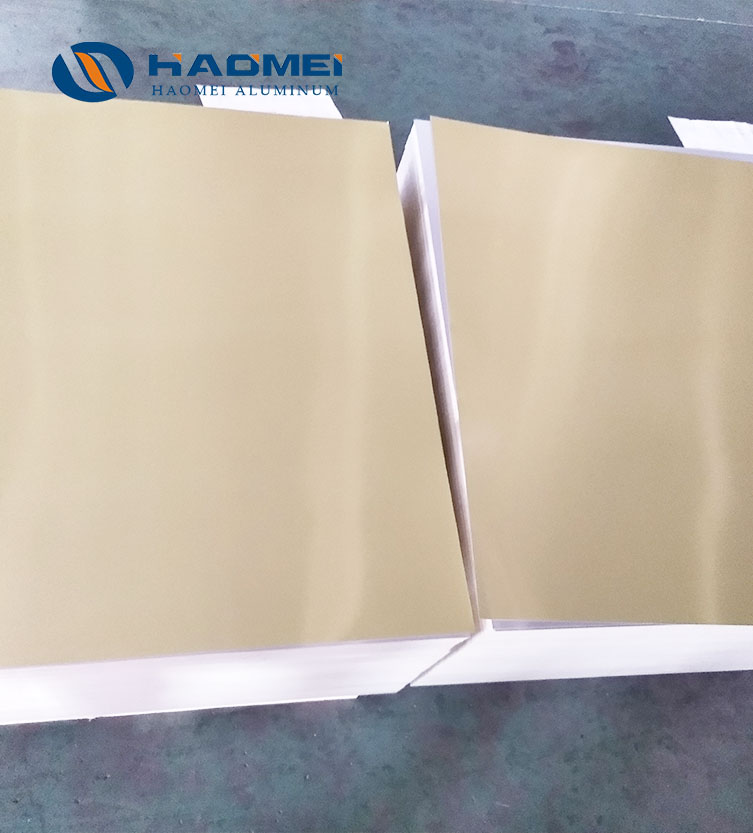
Painted aluminum
Alloy
3104
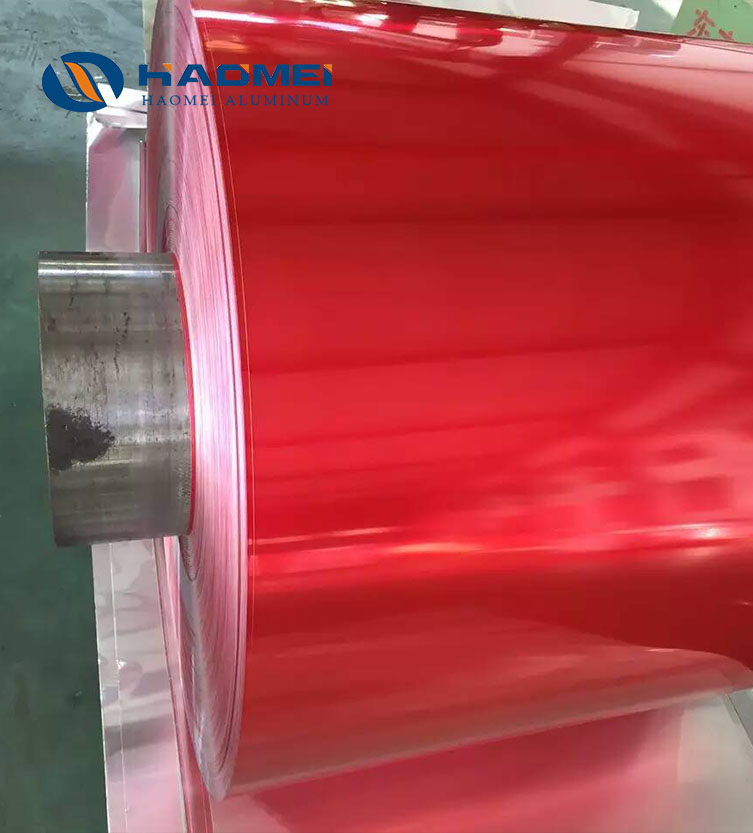
3105
Application
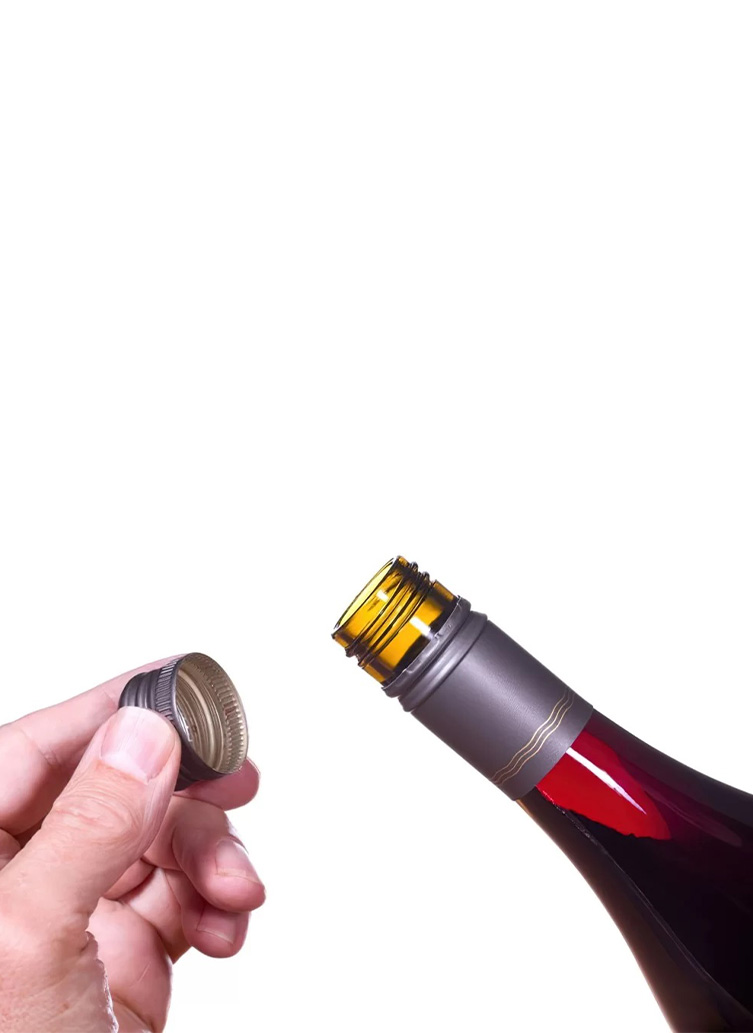
Red wine cap

+86-15978414719


+86-15978414719


sale@alumhm.com