


2026-05-08
Late May to early July is a compressed production window. In 2026, Memorial Day falls on May 25 in the United States, Eid al-Adha is expected around May 27 subject to moon sighting, China observes Dragon Boat Festival on June 19, and Independence Day follows on July 4. Factory crews, freight capacity, and customs desks can all run on reduced schedules.
For seasonal signage, appliance panels, beverage packaging parts, trailer interiors, HVAC covers, display fixtures, and repair stock, aluminum plain sheet is often selected because it can be cut, bent, punched, brushed, anodized, or coated after receipt. The feature to control this season is surface consistency. A sheet that arrives flat, clean, and protected reduces rework when every shift is scheduled against a holiday launch date.
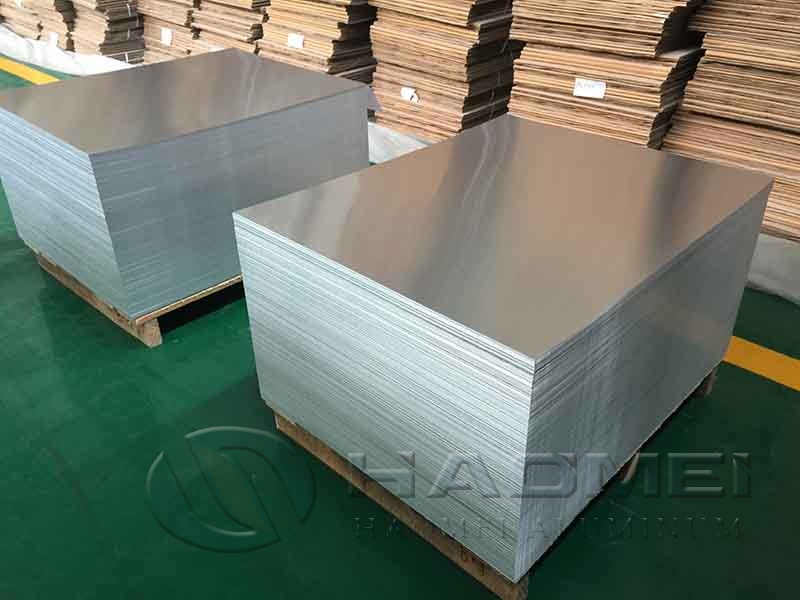
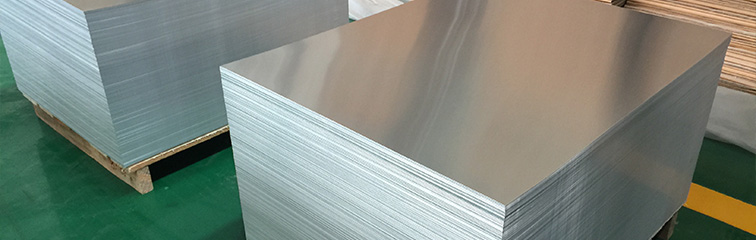
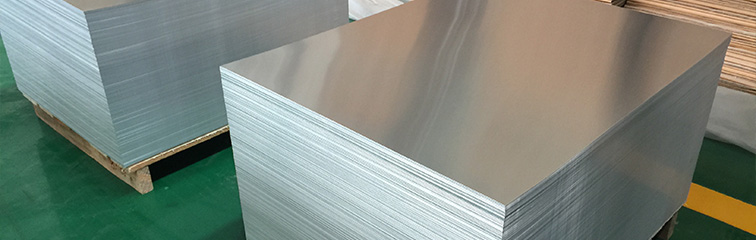
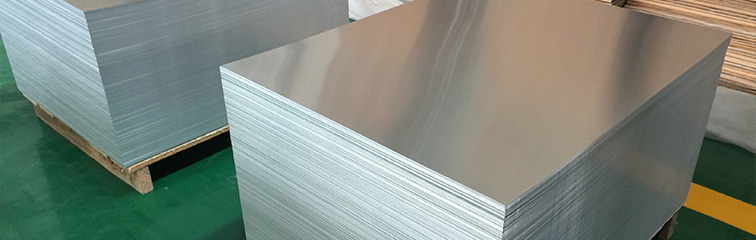
A mill-finish flat sheet is not a mirror product. It may show normal rolling lines, but it should not create avoidable problems such as oil stains, heavy scratches, dents, water marks, or edge damage. When sheet is used for visible panels or pre-painted components, inconsistent surface quality leads to sorting, sanding, repainting, and missed dispatch dates.
Use Plain Aluminum when your downstream process needs a clean base metal rather than an already embossed, coated, or patterned surface.
Relevant, verifiable standards help remove guesswork. ASTM B209/B209M covers aluminum and aluminum-alloy sheet and plate. EN 485 covers aluminum and aluminum alloy sheet, strip, and plate in European markets. These standards define technical delivery conditions, dimensions, mechanical properties, and tolerances by alloy and temper. They do not replace an agreed surface acceptance sample, so include both the standard and the visual requirement in the order file.
| Risk during holiday season | What can go wrong | Practical specification step |
|---|---|---|
| Surface defects | Visible panels require sorting or repainting | Agree surface class, sample photo, protective film need, and inspection method |
| Wrong temper | Parts crack during bending or feel too soft in assembly | Match alloy and temper to forming radius and strength target |
| Thickness drift | CNC programs, dies, and fasteners no longer fit | State thickness tolerance under ASTM B209/B209M or EN 485 |
| Transit damage | Corners and edges arrive crushed | Require pallet, corner protection, moisture barrier, and coil-to-sheet handling notes |
| Price dispute | Orders pause while metal prices move | Use a written formula based on LME reference, regional premium, conversion, and freight |
Separate visible components from hidden structural parts. A retail display face, a food truck side panel, and an HVAC cover may all use flat aluminum sheet, but their surface acceptance levels are different.
Common commercial choices include 1050, 1060, and 1100 for high formability and general fabrication; 3003 for moderate strength with good workability; and 5052 where higher corrosion resistance and strength are needed. Final selection should be verified against your drawing, forming radius, and corrosion environment.
O temper is softer and easier to form. H temper grades provide higher strength but can be less forgiving in tight bends. Do not substitute temper during rush season without bend testing.
Write what is unacceptable: deep scratches, black lines, oil stains, oxidation marks, dents, wave marks, or water staining. If parts will be anodized or painted, confirm whether the mill finish is suitable for that process.
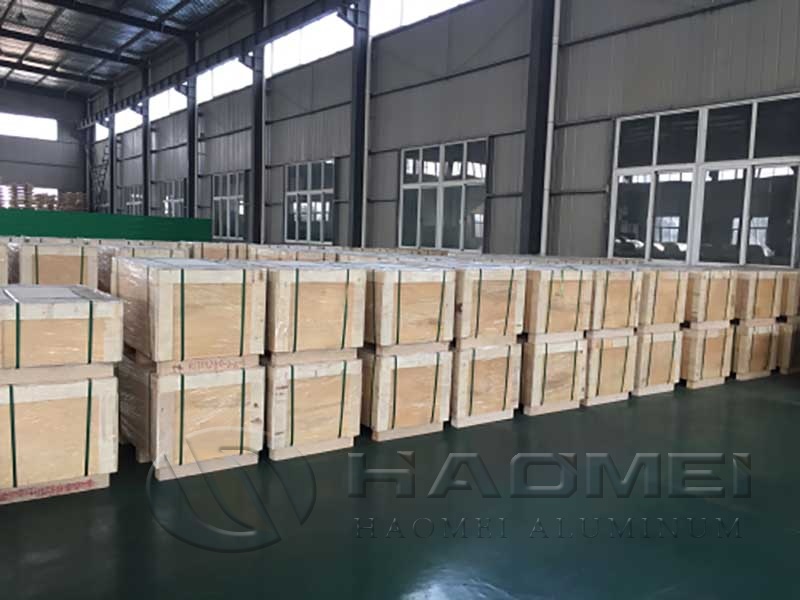
For holiday freight congestion, specify interleaving paper or film where needed, waterproof wrapping, fumigation-compliant pallets where required, corner boards, steel or PET strapping, and clear pallet labels.
Ask for mill test certificate, packing list, commercial invoice, country of origin statement if required, and any RoHS, REACH, or food-contact declarations that apply to your market and end use. RoHS Directive 2011/65/EU applies to electrical and electronic equipment in the EU. REACH Regulation EC No 1907/2006 controls chemical substances in the EU supply chain.
| Material option | Best seasonal use | Advantage | Watch point |
|---|---|---|---|
| Mill-finish flat aluminum sheet | Panels, signs, covers, trim, fabricated parts | Light weight, formable, easy to cut and finish | Surface standard must be agreed before order |
| Pre-painted aluminum sheet | Branded displays and finished panels | Saves coating time | Color matching and coating lead time need early approval |
| Stainless steel sheet | Premium displays and wet environments | High surface durability | Heavier and usually harder to form |
| Galvanized steel sheet | Utility panels and low-cost covers | Strong and widely available | Edge corrosion and weight may affect handling |
Aluminum has a density of about 2.70 g/cm³, roughly one-third that of carbon steel. This matters during holiday distribution because lighter panels can reduce manual handling strain and may lower freight weight. For sustainability reporting, the International Aluminium Institute states that recycling aluminum saves up to 95% of the energy required for primary aluminum production. If recycled content is part of a seasonal campaign claim, request supplier documentation rather than relying on general industry averages.
Aluminum sheet pricing usually moves with the London Metal Exchange aluminum reference price, plus regional premium, conversion cost, packaging, and freight. Because LME prices and regional premiums fluctuate, the most transparent seasonal offer states the pricing date, currency, validity period, Incoterms 2020 rule, payment term, and tolerance for weight variation.
Use this RFQ structure to reduce back-and-forth:
| RFQ field | Example entry to provide |
|---|---|
| Product | Mill-finish aluminum flat sheet |
| Alloy and temper | 3003 H14, or as drawing requires |
| Thickness, width, length | 1.2 mm x 1220 mm x 2440 mm |
| Standard | ASTM B209/B209M or EN 485 |
| Surface requirement | Clean mill finish, no heavy scratches, film on one side if needed |
| Quantity and release plan | State total weight and shipment batches |
| Packing | Export wooden pallet, waterproof wrap, corner protection |
| Documents | MTC, packing list, invoice, origin document, compliance declarations if applicable |
| Delivery target | Date before plant or port holiday closure |
For time-sensitive orders, approve a pre-shipment photo set that includes sheet surface, pallet condition, labels, edge protection, and moisture barrier. If the material will be used for holiday beverage closures, food displays, or consumer packaging equipment, separate mechanical sheet requirements from regulatory declarations. Food-contact compliance depends on the full material system, including alloy, lubricant residue, coating, ink, adhesive, and local law.
Plan reverse from the holiday shelf date. Reserve time for payment processing, production, inspection, loading, sailing or trucking, customs, inland delivery, unpacking, and first-article fabrication. A clean, consistent aluminum plain sheet order is not only a material purchase; it is a schedule-control tool for seasonal production.
Tags: aluminum plain sheet | plain aluminum sheet | mill finish aluminum sheet | aluminum sheet stock |
Original Source: https://alclosuresheet.com/a/aluminum-plain-sheet.html

+86-15978414719


+86-15978414719


sale@alumhm.com